Best Types of Weight Control Tea
Imagine starting your morning with a warm, aromatic cup of tea that doesn’t just refresh you—but also gently supports your body’s ability to maintain a healthy weight. That’s the simple magic behind weight control tea. It’s more than just a comforting beverage; it’s a blend of tradition, science, and nature designed to help you feel lighter, energized, and balanced.
For centuries, tea has been part of wellness rituals across the world. Today, modern nutrition science recognizes that certain teas—rich in antioxidants, catechins, and flavonoids—may assist with fat oxidation, metabolism enhancement, and appetite control. Drinking the right weight control tea consistently, along with healthy eating and regular activity, can complement your lifestyle and make maintaining your ideal weight easier.
In this guide, we’ll explore everything you need to know about teas for weight management: how they work, the most effective types, their benefits, potential side effects, and practical ways to incorporate them into your daily routine.
Understanding Weight Control Tea
What Is Weight Control Tea?
Weight control tea refers to natural blends or infusions made from tea leaves or herbs that support healthy weight maintenance. Unlike quick-fix “slimming teas,” these are genuine wellness teas that encourage a balanced metabolism and promote fat burning through gradual, natural processes.
Most teas used for weight control are derived from the Camellia sinensis plant—the same plant that gives us green, black, white, and oolong teas. The difference lies in how they’re processed. Each type contains different levels of antioxidants, catechins, and caffeine—all of which play a role in supporting metabolism and fat breakdown. Herbal infusions such as hibiscus, ginger, and rooibos also have benefits that complement a balanced diet and active lifestyle. Herbal tea is the best way for weight Control.
How Does Weight Control Tea Work?
The secret lies in its natural compounds. Teas rich in catechins (especially EGCG) and caffeine can help slightly increase calorie burn and fat oxidation. They may also regulate appetite hormones, reducing cravings and helping you stay in control of your food choices.
Certain herbal teas influence digestion and support healthy gut function, which is essential for effective metabolism. For instance, ginger tea enhances thermogenesis (your body’s ability to generate heat and burn calories), while hibiscus tea may reduce carbohydrate absorption. Together, these mechanisms make weight control tea a natural, sustainable option for those who prefer gentle, holistic approaches to wellness.
Best Types of Weight Control Tea
1. Green Tea – The Metabolism Booster
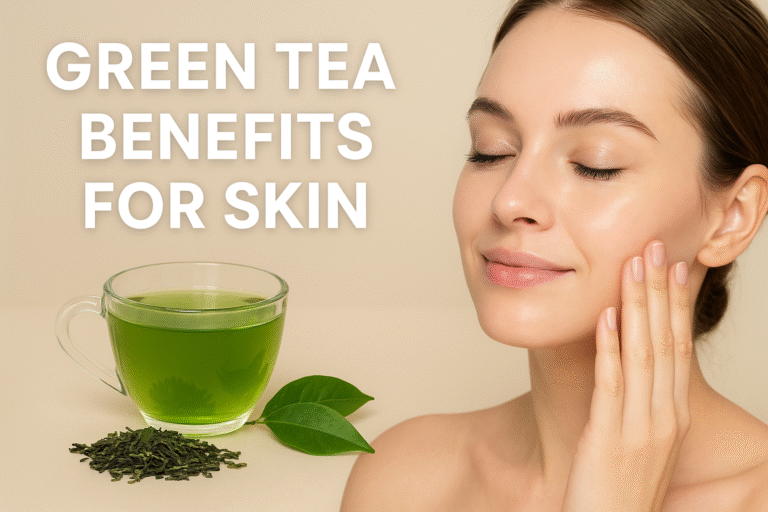
Green tea is often hailed as the ultimate weight control tea—and for good reason. It’s packed with catechins, antioxidants that boost metabolism and promote fat oxidation. EGCG (epigallocatechin gallate) is the superstar compound here, known for enhancing calorie burning and improving body composition when combined with exercise and a healthy diet.
Drinking two to three cups of green tea daily can contribute to improved energy levels and fat metabolism. To maximize benefits, drink it unsweetened and avoid adding milk or sugar.
2. Oolong Tea – The Fat-Burning Hybrid
Oolong tea sits between green and black tea in terms of oxidation. Its partially fermented leaves contain both caffeine and polyphenols, making it a natural thermogenic beverage. Oolong tea has been linked to increased fat oxidation and calorie expenditure, making it an excellent choice for anyone seeking a flavorful way to support weight management.
3. Black Tea – The Gut-Friendly Choice
Black tea undergoes full fermentation, creating flavonoids that support digestion and metabolism. It may also influence gut microbiota, promoting the growth of beneficial bacteria that play a role in weight control and fat metabolism. Replacing sugary drinks with black tea not only reduces calorie intake but also helps regulate blood sugar levels and prevent overeating.
4. White Tea – The Gentle Fat Blocker
White tea is the least processed among all true teas, preserving high levels of catechins. Some studies suggest that white tea may help prevent new fat cells from forming while promoting the breakdown of existing fat. Its light flavor and low caffeine content make it an ideal option for people seeking a mild but effective weight control tea.
5. Herbal Weight Control Teas
Not all teas contain caffeine—and that’s where herbal infusions come in. Herbal weight control teas can complement your wellness routine by supporting digestion, reducing bloating, and promoting a sense of calm.
Hibiscus Tea
Rich in antioxidants, hibiscus tea may help reduce fat accumulation and block carbohydrate absorption. Its tart, refreshing flavor makes it a great alternative to sugary juices.
Ginger Tea
Known for its warming nature, ginger tea supports thermogenesis and digestion. Drinking a cup before meals can help control appetite and improve nutrient absorption.
Rooibos Tea
This caffeine-free tea from South Africa contains aspalathin, a unique antioxidant that may help balance blood sugar and reduce fat storage.
Peppermint Tea
Peppermint tea helps curb cravings, soothe the stomach, and improve digestion—all useful for maintaining a balanced weight naturally.
The Science Behind Weight Control Tea
Teas work through several key mechanisms that influence metabolism and energy balance.
Boosts Metabolism
Catechins and caffeine stimulate thermogenesis, increasing the number of calories your body burns at rest. This mild but consistent effect can support long-term weight maintenance when combined with proper nutrition.
Enhances Fat Oxidation
Fat oxidation refers to the body’s process of converting stored fat into energy. Certain teas, particularly green and oolong, promote this process, allowing you to use fat more efficiently as a fuel source.
Regulates Appetite
Some teas affect the hormones ghrelin and leptin, which control hunger and fullness. Herbal teas like peppermint and ginger can naturally help reduce appetite, making it easier to manage portion sizes and avoid overeating.
Improves Digestion
Healthy digestion plays a key role in maintaining a stable weight. Herbal infusions like fennel, ginger, and peppermint help relieve bloating, support the liver, and improve nutrient absorption—all essential for an efficient metabolism.
Supports Blood Sugar Balance
Stable blood sugar levels prevent sudden hunger spikes and cravings. Teas like rooibos, black, and cinnamon tea help regulate glucose metabolism, reducing the likelihood of fat storage.
How to Use Weight Control Tea Effectively
To get the most out of your tea routine, consider these practical tips:
- Be consistent. Drink 2–3 cups daily to maintain a steady intake of beneficial compounds.
- Avoid sugar. Adding sugar defeats the purpose. Sweeten lightly with honey or stevia if needed.
- Pair it with meals. Drinking tea before or after eating can aid digestion and appetite control.
- Stay hydrated. Tea counts toward your daily fluid intake, but don’t replace all your water with tea.
- Choose quality. Opt for pure loose-leaf teas or trusted brands without artificial additives.
- Mind your caffeine. Avoid caffeine-heavy teas late in the day to prevent sleep disruption.
Common Myths About Weight Control Tea
Myth 1: Tea Alone Can Make You Lose Weight
While weight control tea can support fat metabolism, it’s not a standalone solution. True results come from combining it with balanced nutrition, portion control, and regular exercise.
Myth 2: More Tea Means Faster Results
Drinking excessive amounts of tea doesn’t accelerate weight loss and may lead to side effects like jitteriness or dehydration. Moderation is key.
Myth 3: All Slimming Teas Are Safe
Some commercial “detox” or “slimming” teas contain laxatives or diuretics that cause temporary water loss—not real fat loss. Always read ingredient labels carefully and choose natural blends.
Q&A: People Also Ask
1. Does weight control tea really work?
Yes—but within limits. It helps improve metabolism, support fat oxidation, and reduce appetite when used consistently alongside healthy habits. It’s not a quick fix but a natural enhancer for long-term results.
2. Which tea burns fat the fastest?
Green tea and oolong tea are considered the most effective due to their catechin and caffeine content. They enhance calorie burn and fat oxidation naturally.
3. Can herbal tea help with weight control?
Absolutely. Herbal infusions like hibiscus, ginger, and rooibos support digestion, hydration, and appetite regulation—key components of healthy weight management.
4. How many cups should I drink per day?
Two to three cups of weight control tea daily is ideal. You can enjoy one in the morning, one in the afternoon, and one after meals.
5. Is it safe to drink every day?
Yes. Most teas are safe for daily consumption. However, if you’re sensitive to caffeine or have medical conditions, consult a healthcare provider before increasing your intake.
6. Does it target belly fat?
No tea can specifically burn belly fat, but improving overall fat metabolism through consistent tea drinking can reduce body fat, including abdominal fat, over time.
7. Can I drink it at night?
Yes—just choose caffeine-free options like rooibos, peppermint, or chamomile if you’re drinking tea close to bedtime.
Possible Side Effects and Precautions
While weight control tea is generally safe, a few precautions can help ensure the best experience:
- Caffeine sensitivity: Too much caffeine can cause restlessness or insomnia.
- Dehydration: Avoid excessive intake of diuretic teas.
- Medication interactions: If you’re on medication, check with your doctor.
- Pregnancy: Some herbs and caffeine sources may not be suitable during pregnancy.
Lifestyle Tips to Maximize the Benefits
- Follow a balanced diet: Combine your tea routine with whole foods, lean proteins, and healthy fats.
- Move daily: Even a brisk walk can enhance your metabolism and complement the effects of tea.
- Sleep well: Rest helps regulate hormones related to appetite and metabolism.
- Manage stress: Chronic stress elevates cortisol, which can lead to fat storage. Herbal teas like chamomile or lavender may help relax your body.
Conclusion
Weight control tea isn’t a miracle potion—but it is a powerful ally in your wellness journey. It supports your metabolism, aids fat oxidation, and helps you stay mindful of what you consume. More importantly, it fits naturally into your lifestyle—no restrictions, no extremes.
By choosing the right blend and pairing it with balanced habits, you’ll not only manage your weight more effectively but also enjoy a calmer, more energized version of yourself. So, brew your next cup with purpose. Let it remind you that true balance isn’t about quick fixes—it’s about consistent, mindful choices that nourish your body from within.