Trapped Nerve in Shoulder Blade: Causes, Symptoms and Treatment
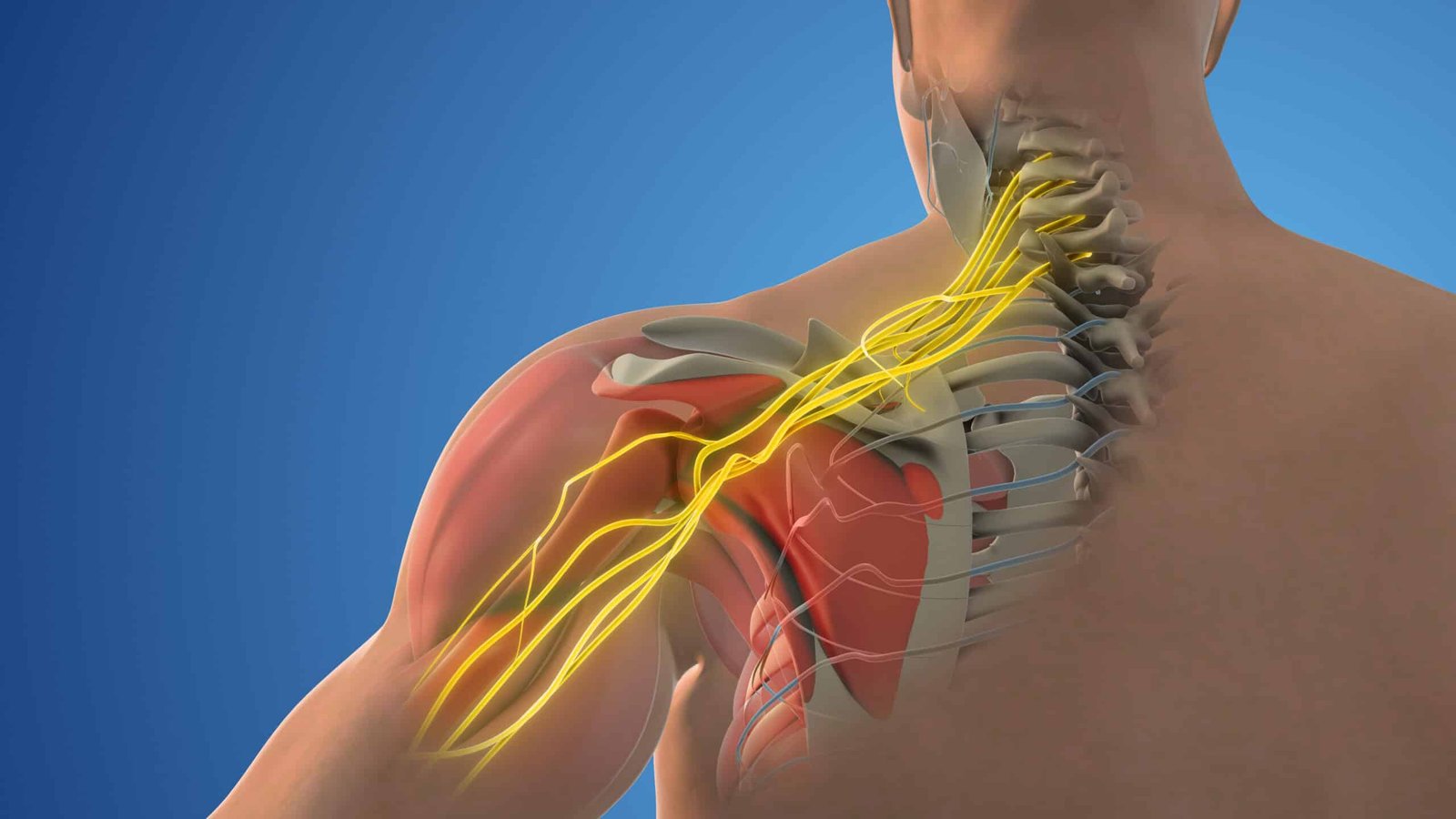
A trapped nerve in shoulder blade is a common condition that can cause sharp pain, burning sensations, tingling, or weakness around the upper back and shoulder area. Many people confuse it with muscle strain, but nerve compression usually lasts longer and can seriously affect daily activities and sleep.
A trapped nerve in the shoulder blade often develops due to poor posture, repetitive movements, injuries, or problems in the neck. In many cases, this nerve compression can also lead to right shoulder pain radiating down the arm to the fingers, causing tingling, numbness, or weakness in the hand. Understanding the causes, symptoms, and treatment options can help you recover faster and avoid long-term pain.
What Is a Trapped Nerve in the Shoulder Blade?

A trapped nerve in shoulder blade happens when a nerve becomes compressed by surrounding muscles, bones, discs, or tight tissues. This pressure stops the nerve from working properly, leading to pain, numbness, or tingling.
In most cases, the nerves affected come from the neck (cervical spine) and travel towards the shoulder blade and arm.
Common Causes of Trapped Nerve in Shoulder Blade
A trapped nerve in the shoulder blade can be caused by several everyday factors, including:
-
Poor posture, shoulder pain from long desk or mobile use
-
Neck and shoulder pain due to muscle tension
-
Repetitive lifting or overhead movements
-
Sports injuries or sudden trauma
-
Bulging or slipped discs in the neck
-
Arthritis in the cervical spine
-
Tight muscles around the shoulder blade
-
Sleeping in awkward positions
Symptoms of Trapped Nerve in Shoulder Blade

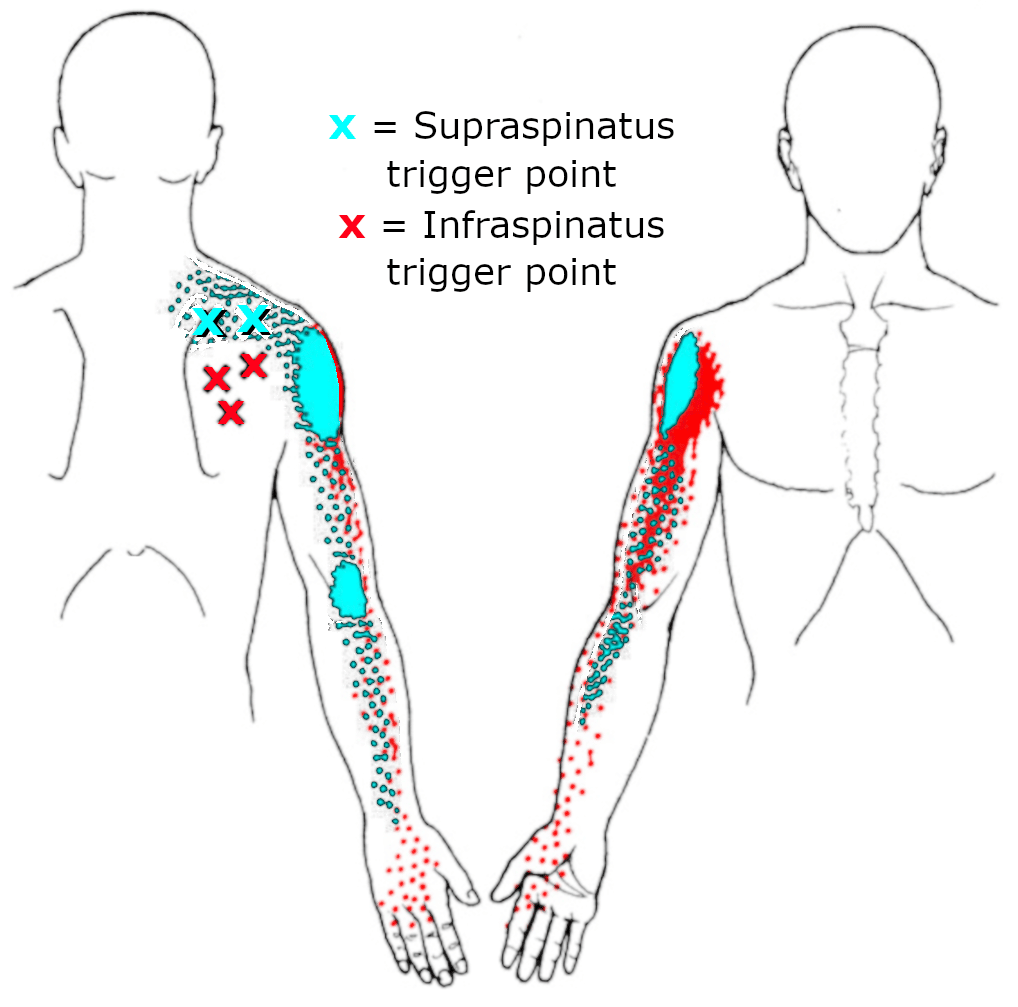
Symptoms of a trapped nerve in shoulder blade vary depending on severity but commonly include:
-
Shoulder blade pain that feels sharp or burning
-
Pain spreading to the arm or neck
-
Tingling and numbness in the shoulder or arm
-
Muscle weakness
-
Pain that worsens with movement or posture
-
Difficulty sleeping due to discomfort
Sometimes, a trapped nerve in the shoulder blade feels like deep muscle pain, which delays proper diagnosis.
Trapped Nerve vs Muscle Strain
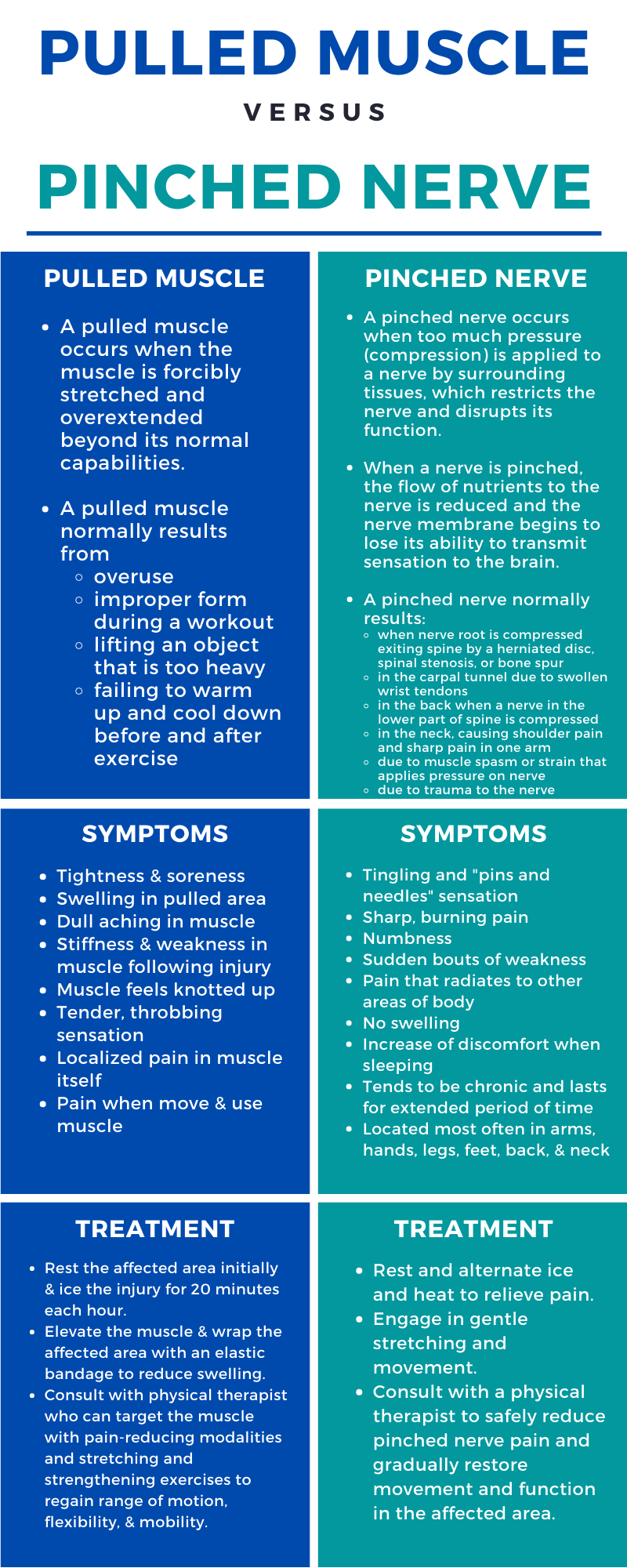
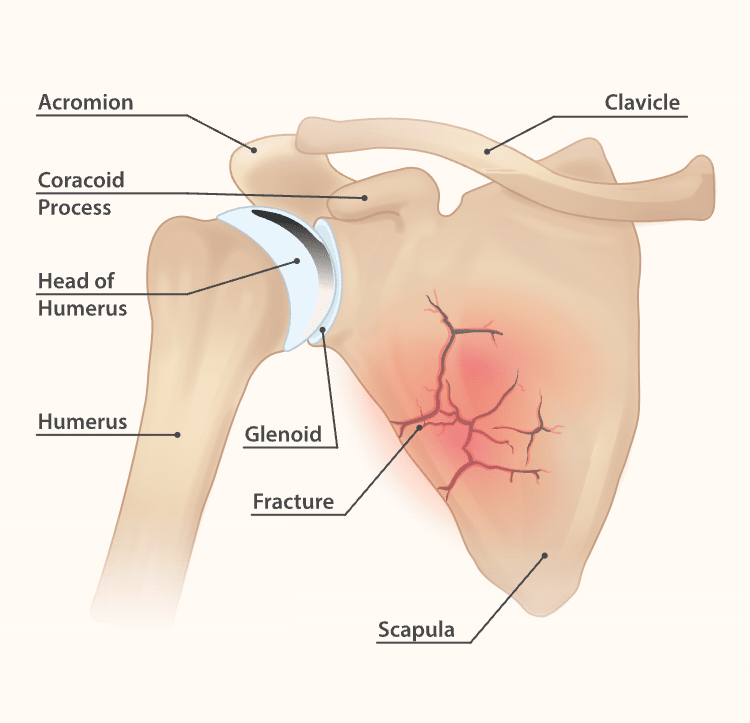
Many people confuse a trapped nerve in shoulder blade with muscle strain.
Muscle strain:
-
Achy or tight pain
-
Improves with rest
-
Pain stays local
Trapped nerve:
-
Sharp, burning pain
-
Tingling or numbness
-
Pain may travel down the arm
If symptoms last more than a few days, a trapped nerve in shoulder blade is more likely.
Diagnosis of Trapped Nerve in Shoulder Blade

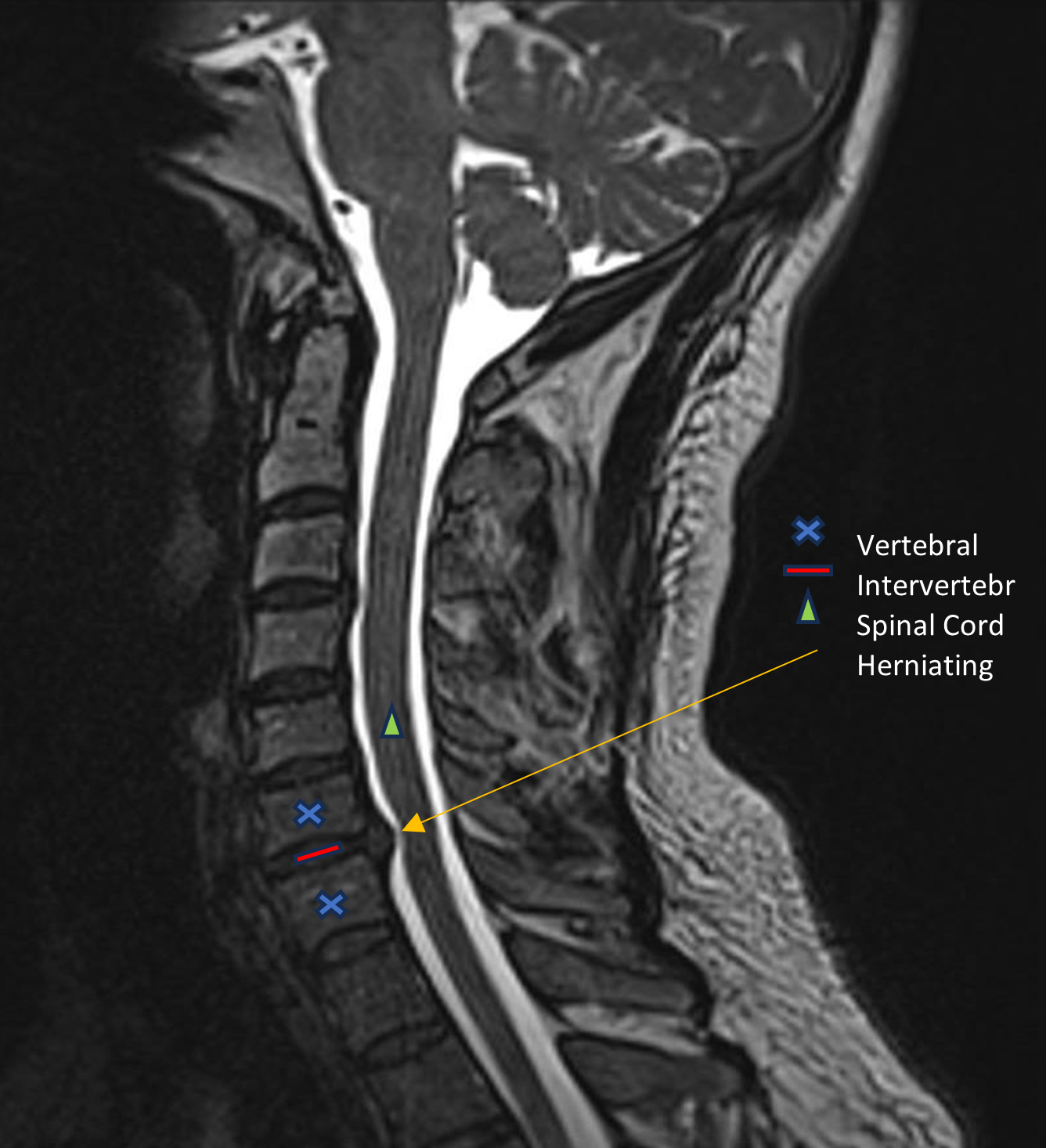
To diagnose a trapped nerve in the shoulder blade, a healthcare professional may:
-
Review medical history
-
Check posture and shoulder movement
-
Examine neck mobility
-
Test nerve function and muscle strength
Treatment Options for Trapped Nerve in Shoulder Blade

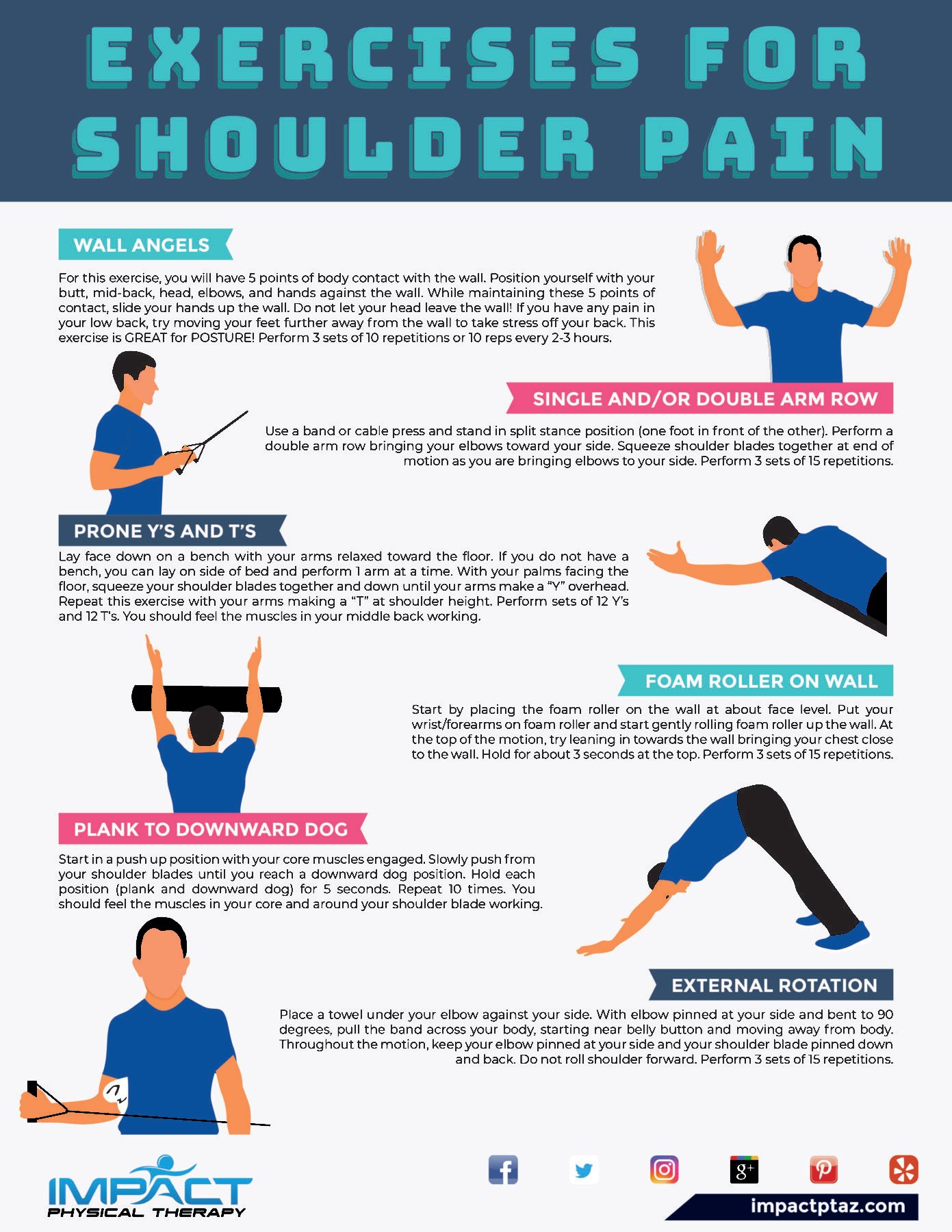
Most cases of trapped nerve in shoulder blade improve with conservative treatment.
1. Rest and Activity Changes
Avoid activities that worsen symptoms while keeping gentle movement.
2. Osteopathy and Manual Therapy
Osteopathy helps by:
-
Improving joint mobility
-
Releasing tight muscles
-
Correcting posture
-
Reducing nerve pressure
It is very effective for upper back nerve pain.
3. Physiotherapy
Targeted exercises strengthen muscles and prevent recurrence.
4. Pain Relief
Short-term medication may help reduce pain and inflammation.
5. Injection Therapy (If Needed)
Used only in persistent or severe cases.
Home Exercises and Self-Care Tips
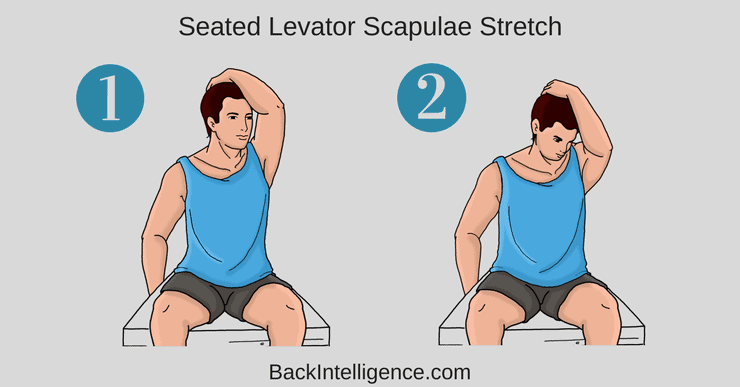
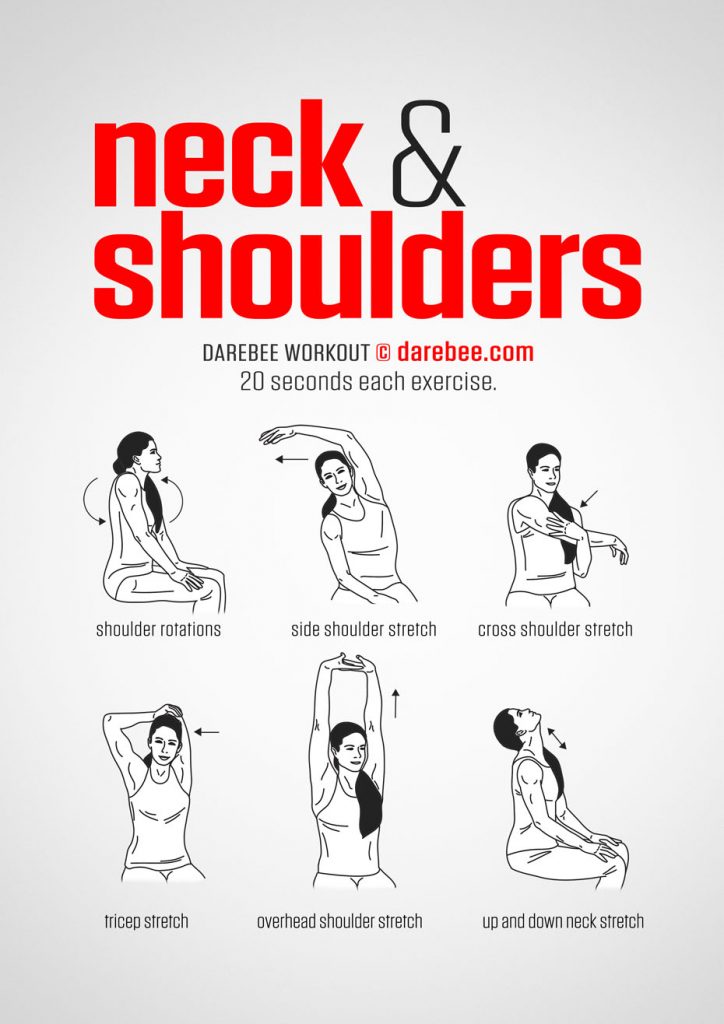
For mild cases of trapped nerve in the shoulder blade, self-care includes:
-
Improving sitting posture
-
Taking regular screen breaks
-
Applying heat to relax muscles
-
Gentle neck and shoulder stretches
-
Avoid sleeping on the painful side
These steps reduce nerve pressure and speed up recovery.
When Should You See a Specialist?

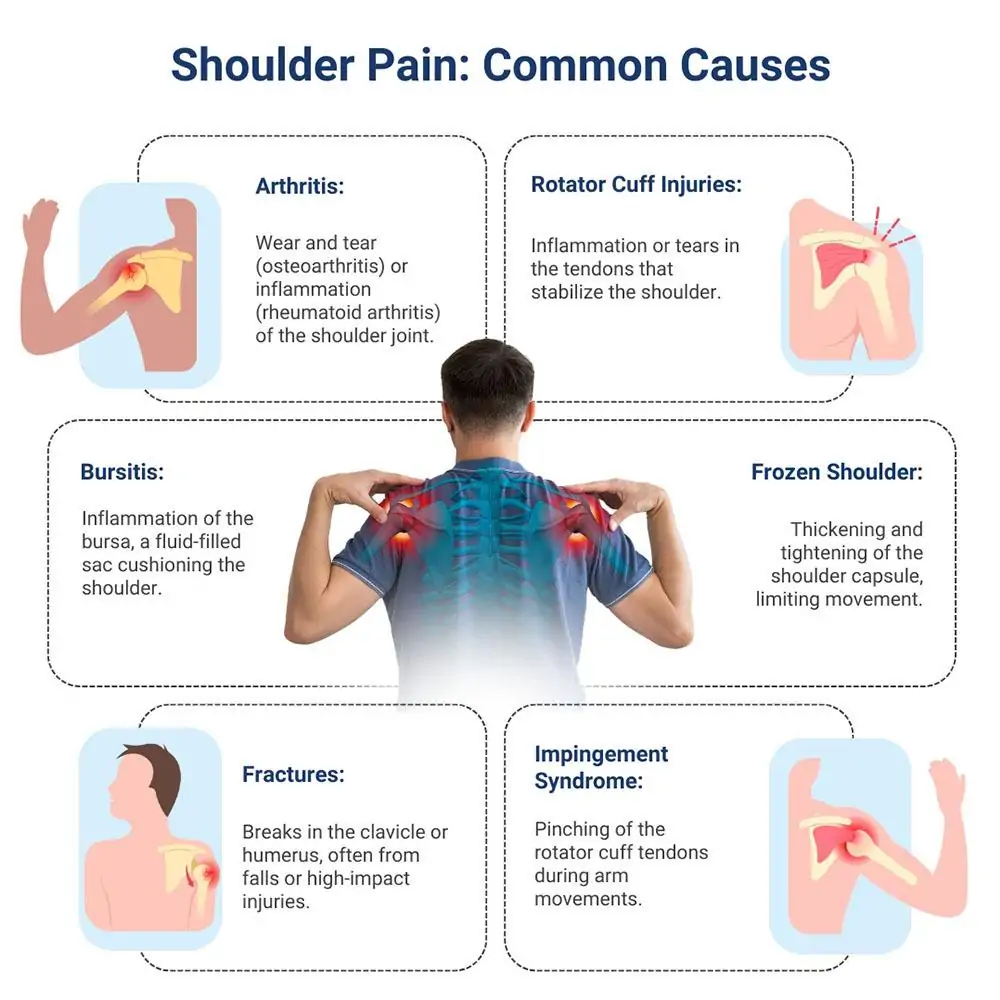
You should see a specialist if:
-
Pain lasts more than 1–2 weeks
-
Symptoms are worsening
-
Arm weakness or numbness develops
-
Pain affects sleep or daily life
Ignoring a trapped nerve in the shoulder blade can lead to chronic pain.
What Causes Nerve Pain Around the Shoulder Blade?
Nerve pain near the shoulder blade usually happens when surrounding tissues put pressure on a nerve. This pressure can come from muscles, joints, discs, or posture-related strain.
Common causes include:
-
Poor posture shoulder pain from desk work or mobile phone use
-
Neck and shoulder pain caused by muscle tightness
-
Bulging or slipped discs in the neck
-
Sudden injuries or repetitive overhead movements
-
Arthritis affecting the cervical spine
-
Tight upper back and shoulder muscles
Over time, these issues can irritate nearby nerves, leading to persistent discomfort around the shoulder blade.
Common Symptoms You May Notice
Nerve-related shoulder blade pain often feels different from muscle pain. Instead of a dull ache, symptoms may be sharper or more intense.
Typical symptoms include:
-
Shoulder blade pain that feels burning or stabbing
-
Upper back nerve pain that worsens with movement
-
Tingling and numbness in shoulder or arm
-
Weakness in the arm or hand
-
Pain spreading into the neck or down the arm
-
Discomfort that affects sleep
If left untreated, symptoms may become more frequent or severe.
Nerve Pain vs. Muscle Strain—What’s the Difference?
Many people struggle to tell whether their pain is muscular or nerve-related.
Muscle pain usually:
-
Feels sore or tight
-
Improves with rest
-
Stays in one area
Nerve pain often:
-
Feels sharp, burning, or electric
-
May include pins and needles
-
Can travel to the arm or neck
In many cases, a trapped nerve in the shoulder blade is suspected when pain does not improve with simple rest or massage.
How Is Shoulder Blade Nerve Pain Diagnosed?
Diagnosis usually starts with a physical examination. A healthcare professional may check posture, neck movement, shoulder mobility, and nerve responses.
In some cases, imaging may be recommended to confirm cervical nerve compression, especially if symptoms are severe or ongoing.
Early diagnosis helps guide effective treatment and reduces recovery time.
Treatment Options That Actually Help
Most nerve-related shoulder blade pain improves with conservative treatment.
Common approaches include:
-
Physiotherapy shoulder pain treatment to strengthen and stretch muscles
-
Osteopathy for shoulder pain management to improve joint mobility
-
Postural correction and ergonomic advice
-
Heat therapy to relax tight muscles
-
Short-term pain relief medication if needed
In persistent cases, targeted injections may be considered, but surgery is rarely required.
Self-Care Tips for Faster Recovery
You can support recovery at home by:
-
Improving desk and screen posture
-
Taking regular breaks from sitting
-
Performing gentle neck and shoulder stretches
-
Avoid sleeping on the painful side
-
Reducing heavy lifting temporarily
These steps are especially helpful for managing nerve pain in the upper back region.
When Should You Seek Medical Advice?
You should consult a professional if:
-
Pain lasts longer than 1–2 weeks
-
Symptoms are getting worse
-
You develop arm weakness or numbness
-
Pain affects sleep or daily tasks
Ignoring nerve pain may lead to long-term issues or reduced shoulder function.
Questions People Ask
Can shoulder blade nerve pain go away on its own?
Yes, mild cases often improve with rest, posture correction, and gentle exercises. Persistent pain should be assessed professionally.
How long does nerve pain in the shoulder blade last?
Recovery time varies. Some people improve within days, while others may take weeks, depending on the cause and treatment.
Is shoulder blade nerve pain serious?
Most cases are not serious, but ongoing pain, weakness, or numbness should not be ignored.
Can bad posture cause nerve pain?
Yes. Poor posture is one of the leading causes of neck and shoulder pain linked to nerve irritation.
What is the best sleeping position for shoulder blade pain?
Sleeping on your back or the non-painful side with proper pillow support usually helps reduce symptoms.
Final Thoughts
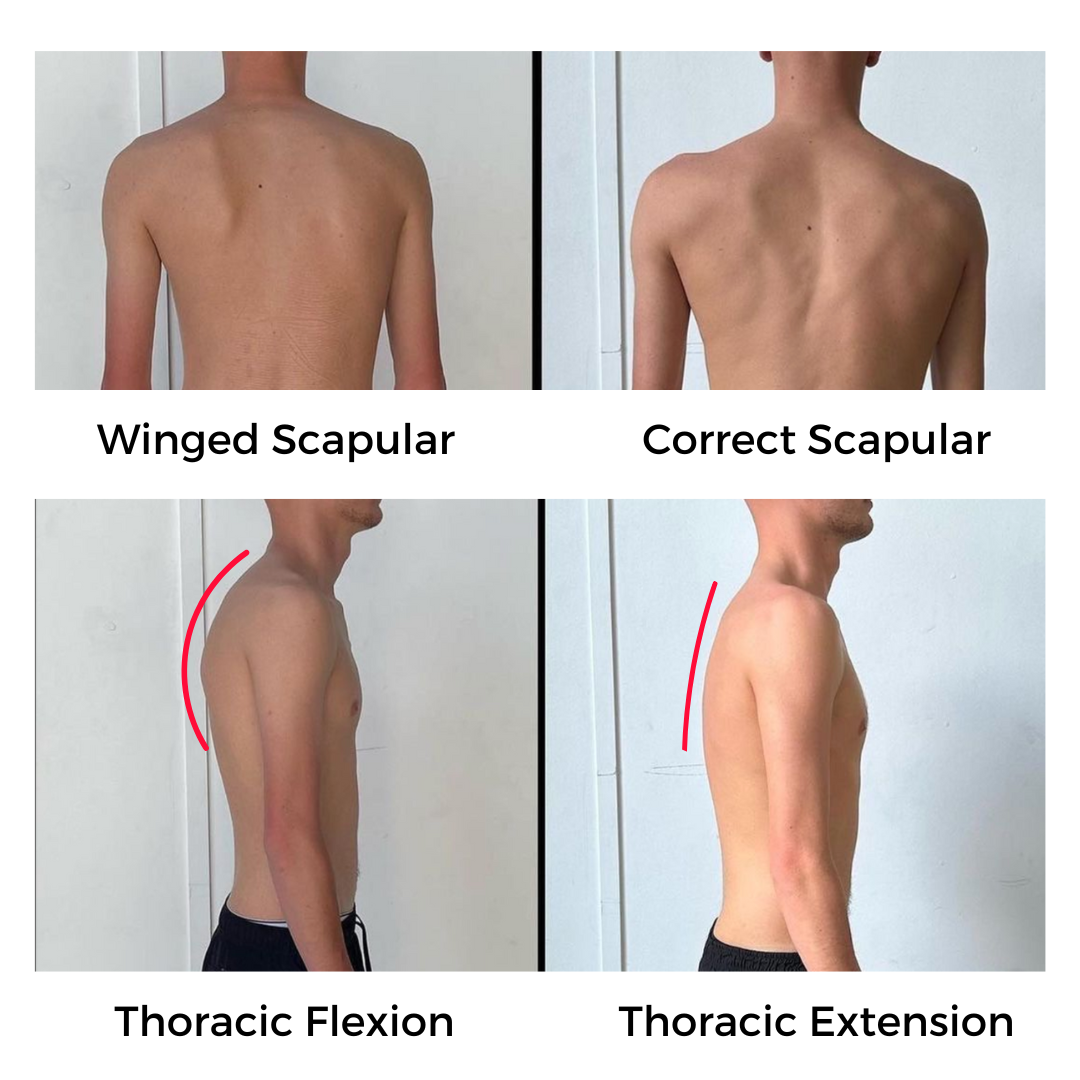
A trapped nerve in shoulder blade is painful but treatable. It usually develops due to posture issues, muscle tightness, or neck problems. Early diagnosis and the right treatment can prevent long-term complications.
If shoulder blade pain is affecting your quality of life, a professional assessment can help you recover safely and effectively.