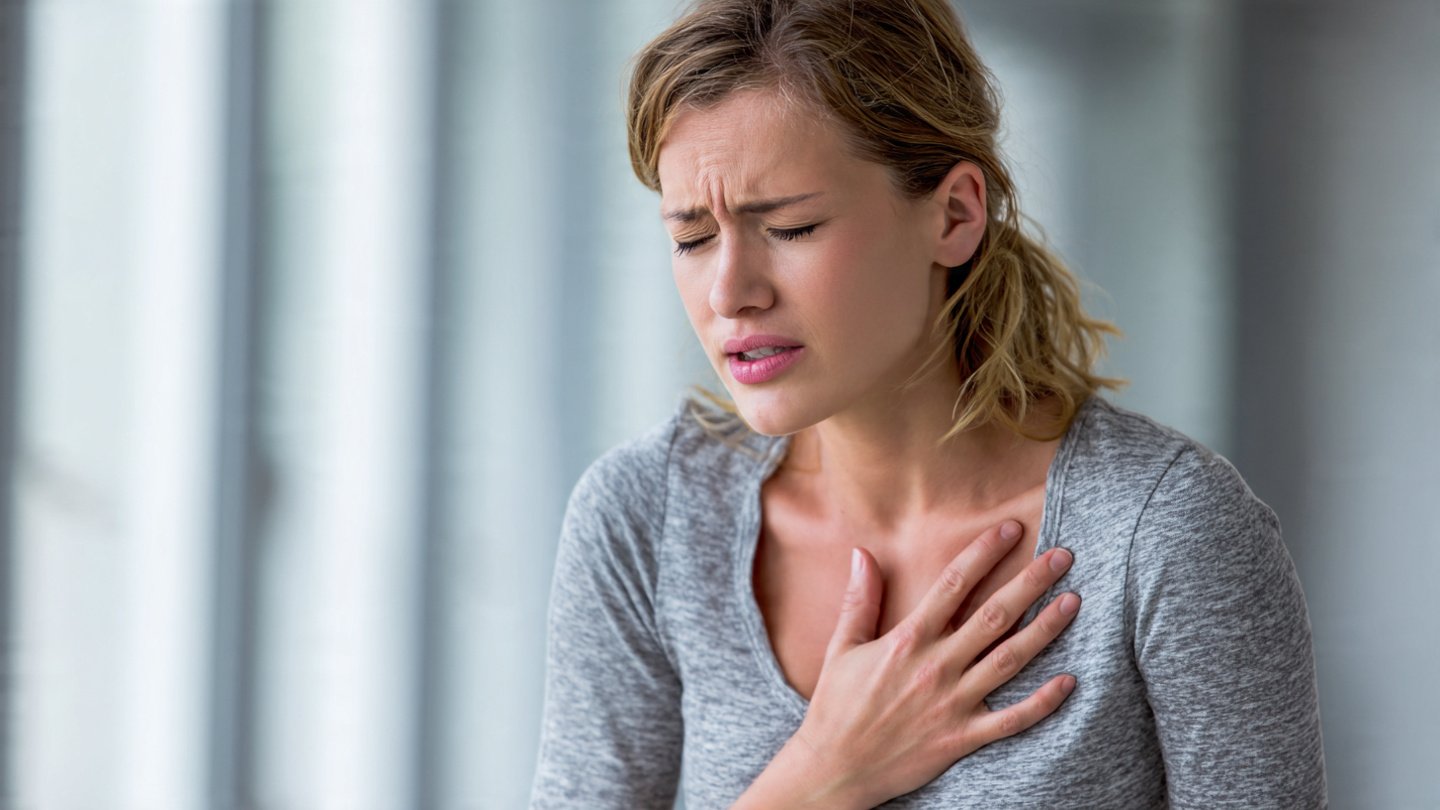
7 Silent Symptoms of a Heart Attack in a Woman
It is a common misconception that heart attacks are exclusively a “man’s problem” or that they always look like the dramatic, chest-clutching scenes we see on television. The reality for women in the UK is far more subtle—and often, far more dangerous.
When identifying the symptoms of a heart attack in a woman, relying on stereotypes can cost lives. Did you know that women are more likely than men to experience silent heart attack signs, leading to critical delays in calling 999? According to the British Heart Foundation, thousands of women in the UK misinterpret their pain as simple indigestion, stress, or the flu.
If you are searching for answers right now because you feel unwell, do not wait. Here is the immediate breakdown of symptoms of a heart attack in a woman that you need to know:
-
Chest discomfort: Pressure, tightness, or squeezing (not always severe pain).
-
Radiating pain: Discomfort spreading to the arms, jaw, neck, back, or stomach.
-
Sudden nausea: Feeling sick or looking pale without a clear cause.
-
Breathlessness: Gasping for air without exertion.
-
Overwhelming fatigue: Sudden exhaustion that makes no sense.
-
Cold sweat: Clammy skin unrelated to exercise.
-
Light-headedness: Feeling dizzy or faint.
If you suspect these signs, call 999 immediately.
Below, we dive deep into exactly how these symptoms manifest, incorporating essential NHS heart attack advice to help you distinguish between a harmless ache and a medical emergency.
Why “The Hollywood Heart Attack” is Misleading for Women
For decades, medical research focused largely on men, creating a “prototype” for heart attacks: the crushing “elephant on the chest” pain. While chest pain in women is still the most common sign, the symptoms of a heart attack in a woman are often described differently.
Women are more likely to describe the sensation as uncomfortable pressure, squeezing, or fullness rather than sharp pain. Furthermore, women frequently experience “atypical” symptoms—signs that don’t seem related to the heart at all. Understanding these nuances is vital for early detection and better survival rates across the UK.
1. Uncomfortable Chest Pressure: The Primary Sign
While we often discuss silent signs, we must not ignore the obvious. Chest pain in women remains the leading indicator. However, in women, it doesn’t always scream “pain.”
Many women describe the feeling as:
-
A heavy weight resting on the centre of the chest.
-
A squeezing sensation, similar to a tight bra band.
-
A dull ache that comes and goes.
This discomfort usually lasts for more than a few minutes or fades and returns. Unlike a sharp stabbing pain often associated with muscular issues, this pressure feels deep and internal. Recognising the variation of symptoms of a heart attack in a woman is the first step in saving a life. Even mild discomfort, if persistent, should be checked by a professional.
2. Radiating Pain: Jaw, Neck, and Back Discomfort
One of the most confusing symptoms of a heart attack in a woman is pain that has nothing to do with the chest. This is known as “referred pain”. The nerves that supply the heart have shared pathways with nerves in the jaw, neck, and back, which can confuse the brain.
Jaw Pain Heart Attack Signs
If you feel a sudden ache in your jaw (on one or both sides) that isn’t related to a toothache, take note. Jaw pain, heart attack symptoms often feel like a cramp or a dull ache spreading up from the neck. It is distinct from dental pain because it is usually widespread rather than focused on a specific tooth.
Back Pain in Women
Women frequently report pain between their shoulder blades. It can feel like you’ve pulled a muscle, but if this back pain in women occurs alongside other symptoms of a heart attack in a woman—such as breathlessness or nausea—it is a massive red flag. Do not assume it is just poor posture or arthritis.
3. Severe Indigestion or Nausea (The “Stomach Flu” Trap)
This is perhaps the most dangerous masquerader. Many women dismiss heart trouble because they think they simply ate something bad. Indigestion and heart attack symptoms are frequently mistaken for acid reflux, heartburn, or a stomach bug.
In the UK, where we might attribute an upset stomach to a rich meal, realising that nausea is one of the symptoms of a heart attack in a woman is critical.
-
The difference: heart-related nausea often comes on suddenly and isn’t relieved by antacids or visiting the toilet.
-
The location: The pain might be high in the abdomen (epigastric pain), confusingly close to the heart.
If you have risk factors like high blood pressure or diabetes and experience sudden, severe indigestion or heart attack symptoms, treat it as a potential emergency.
4. Breathlessness Without Exertion
Imagine you have just run for a bus, but you are actually sitting on the sofa. The causes of shortness of breath can vary, but when it happens suddenly without exercise, it is a serious warning sign.
Breathlessness is a prevalent sign among the symptoms of a heart attack in a woman, often occurring without any chest pain at all. This happens because the heart is struggling to pump blood effectively, causing fluid to back up in the lungs. If you find yourself panting while doing simple tasks like making a cup of tea or walking up the stairs, do not ignore it. Understanding shortness of breath in the context of heart health can prevent a cardiac arrest.
5. Unexplained & Extreme Fatigue
We all feel tired, especially with the busy lifestyles many women in the UK lead. However, sudden fatigue in women associated with a heart attack is different. It is debilitating.
Survivors often report feeling so tired they could not lift a limb or felt “drained” of all energy days or even weeks before the event. This is one of the prodromal (early warning) symptoms of a heart attack in a woman. If you wake up feeling like you have run a marathon despite having a full night’s sleep, consult your GP. This sudden fatigue in women is your body trying to tell you that your heart is under immense strain.
6. Cold Sweats and Light-headedness
Breaking out in a “cold sweat” is a classic stress response, but when it happens for no apparent reason, it signals that your body is in distress. Cold sweat and clammy skin are frequent indicators of cardiac distress.
This symptom occurs because the nervous system is activating a “fight or flight” response to the heart’s failure to pump correctly. Feeling dizzy, light-headed, or faint alongside other symptoms of a heart attack in a woman warrants an immediate call to 999. If you feel a wave of cold sweat wash over you while resting, do not ignore it.
7. The “Silent” Heart Attack in UK Women
A “silent” heart attack (silent myocardial infarction) occurs with minimal or no recognised symptoms. Silent heart attack signs are particularly common in women with a high pain threshold or those with diabetes (which can damage nerve endings, masking pain).
In these cases, the symptoms of a heart attack in a woman might just be:
-
Mild flu-like symptoms.
-
A general sense of unease or dread.
-
Persistent muscle fatigue.
Because silent heart attack signs are so vague, the damage is often only discovered later during a routine ECG or check-up with a specialist. This highlights the importance of regular health screenings.
Risk Factors: Why Women Are Vulnerable
Understanding the symptoms of a heart attack in a woman also requires understanding the risks. In the UK, coronary heart disease kills more than twice as many women as breast cancer.
The Menopause Factor
Before menopause, the hormone estrogen offers women some protection against heart disease. However, after menopause, estrogen levels drop, and the risk increases significantly. This is why women over 50 must be hyper-aware of these symptoms.
Lifestyle and Conditions
-
Smoking: A major risk factor that constricts blood vessels.
-
High Blood Pressure & Cholesterol: Often “silent killers” themselves.
-
Diabetes: Increases the risk of heart disease significantly in women.
How to React: NHS Heart Attack Advice and Immediate Action
If you recognize any combination of the symptoms of a heart attack in a woman listed above, time is muscle. The longer you wait, the more heart muscle dies.
Follow this UK-specific protocol:
-
Call 999 immediately: Do not drive yourself to A&E. Ambulance staff can start treatment (ECG and medication) as soon as they arrive.
-
Sit and rest: sit on the floor against a wall or in a chair (the ‘W’ position). Do not walk around.
-
Chew Aspirin: Standard NHS heart attack advice suggests that if you are not allergic and have 300 mg aspirin nearby, chew and swallow it slowly. This helps thin the blood and improve flow.
-
Stay Calm: Panic increases the strain on your heart.
Conclusion: Listen to Your Body
The symptoms of a heart attack in a woman are complex, varied, and often deceptive. From the classic chest pain in women to the silent signs of nausea and jaw pain, heart attack symptoms, knowing what to look for is your best defence.
Do not let the fear of “making a fuss” stop you from seeking help. In the UK healthcare system, A&E doctors would far rather treat a false alarm than a missed heart attack. If something feels wrong, trust your instincts.