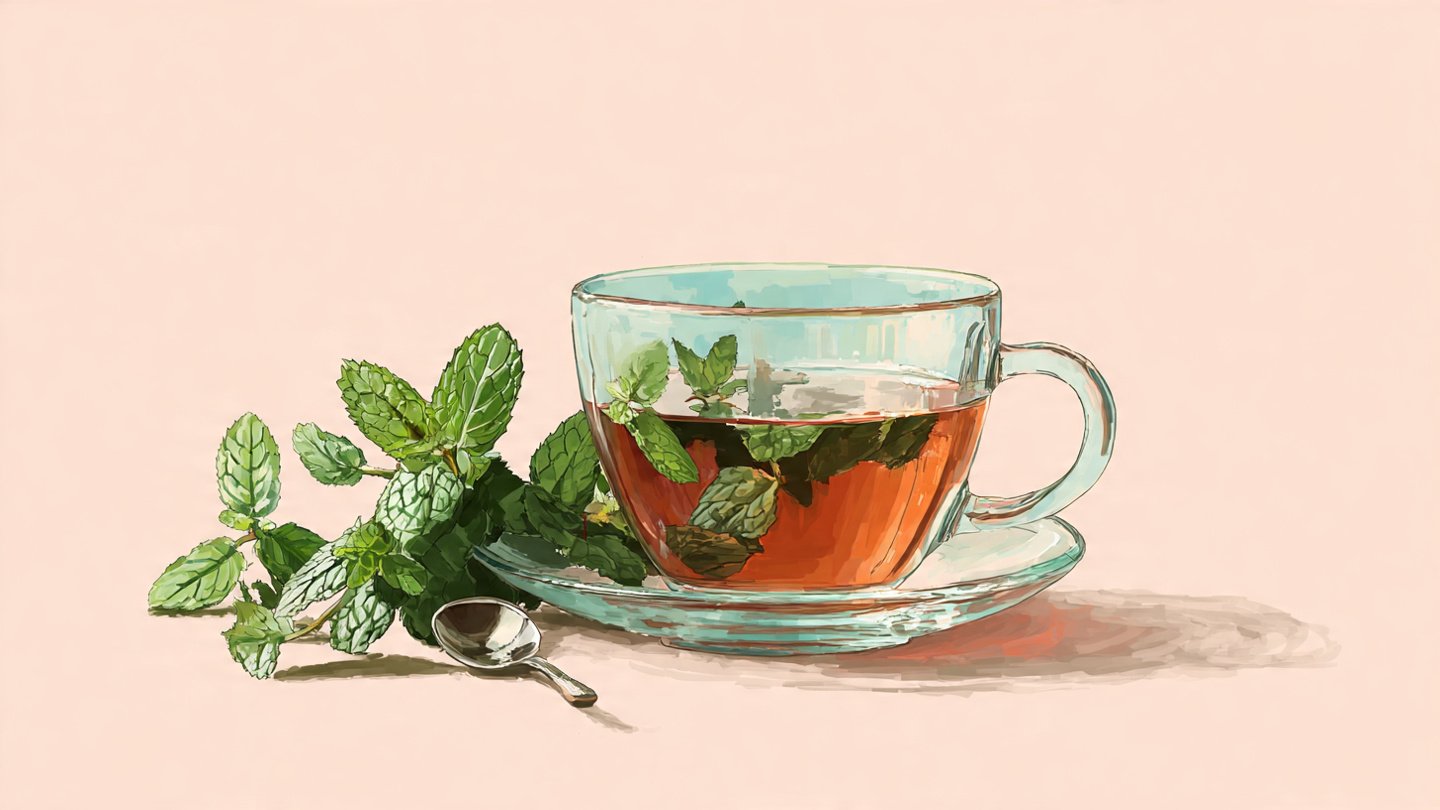
Peppermint tea: Benefits of Peppermint Tea
Peppermint tea is one of the world’s most refreshing and popular herbal infusions. Made from the dried leaves of the Mentha piperita plant, this caffeine-free tea is loved for its cool, minty flavor and soothing aroma. From ancient civilizations to modern wellness culture, tea has been valued for its ability to calm the body, ease digestion, and uplift the spirit. Whether enjoyed hot or cold, it delivers a burst of freshness that instantly energizes and relaxes the senses.
This tea provides numerous health benefits, making it more than just a soothing drink. Rich in antioxidants, menthol, and essential oils, it supports healthy digestion, relieves headaches, clears the respiratory system, and reduces stress. Many people turn to tea as a natural way to unwind after meals or refresh their minds during busy workdays. Its healing properties and pleasant aroma make it a favorite among those who prefer natural wellness over synthetic solutions.
What truly sets peppermint tea apart is its versatility and global appeal. It can be combined with other herbs to increase benefits, used as a base for detox drinks, or consumed on its own as a daily wellness ritual. Whether you’re seeking better digestion, a stress-free mind, or just a soothing drink to start your day, tea is a timeless remedy that fits perfectly into a healthy lifestyle.
What Is Peppermint Tea?
This tea is a caffeine-free herbal infusion made from the leaves of Mentha × piperita, a hybrid of watermint and spearmint. Unlike traditional teas made from Camellia sinensis, this tea is purely herbal, offering a refreshing and therapeutic experience.
It’s one of the most popular herbal teas globally, valued for its cooling menthol compounds that create a soothing effect on the body and mind. You can brew it from dried peppermint leaves or fresh ones straight from your garden.
2. A Brief History of Peppermint Tea
Peppermint has been used as a medicinal herb since ancient times. The Egyptians used mint to treat stomach ailments. The Romans believed it stimulated the appetite, and in traditional Chinese medicine, peppermint was used to treat colds and headaches.
Today, this tea remains a popular natural remedy, bridging ancient traditions with modern wellness trends. Its simple preparation and powerful effects make it a staple in many households.
3. Benefits of Peppermint Tea
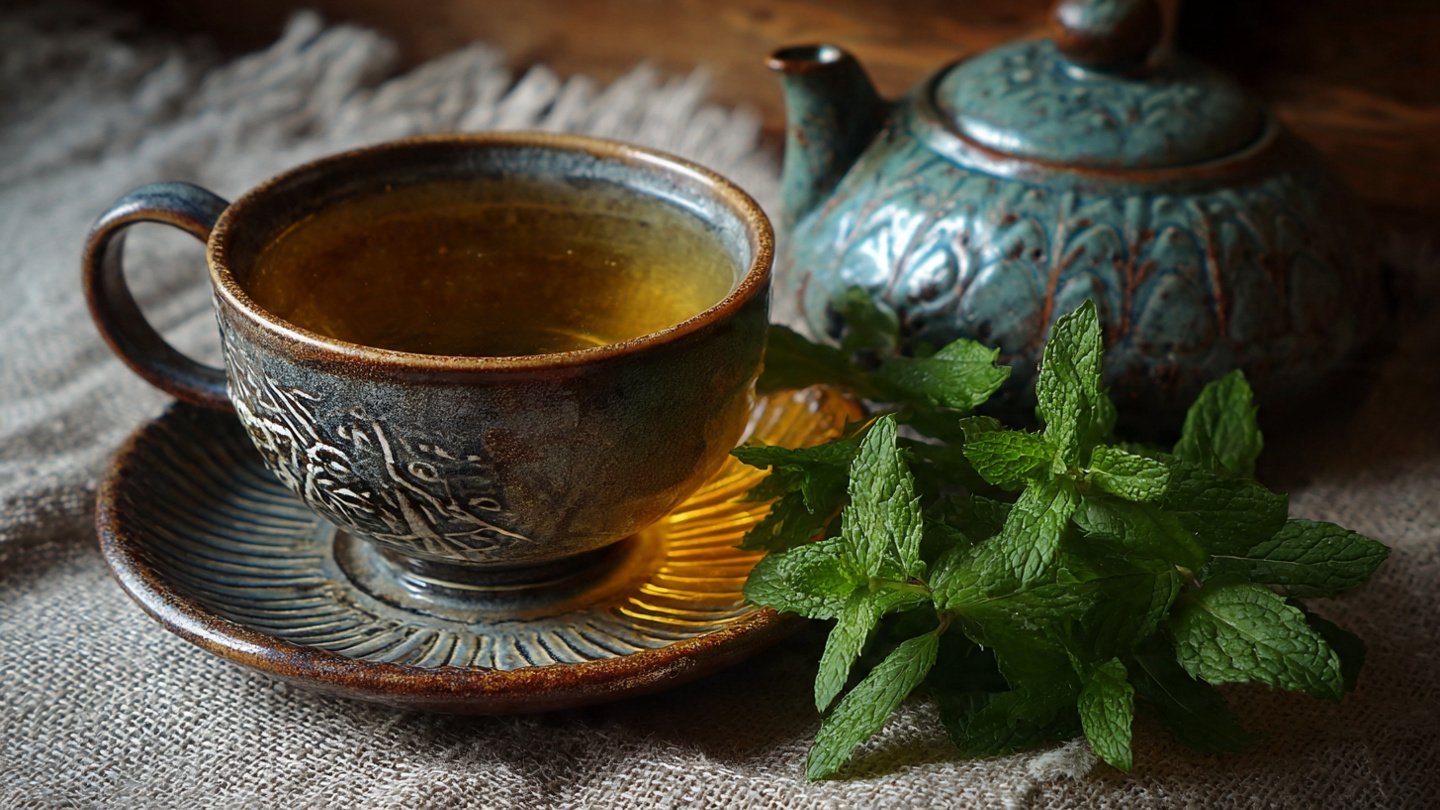
Modern research supports many of tea’s traditional uses. Here are some proven benefits:
a. Improves Digestion
Peppermint tea relaxes the digestive tract muscles, helping relieve bloating, gas, and indigestion. It’s especially beneficial after meals.
Research Insight: A 2014 study published in Digestive Diseases and Sciences found that peppermint oil reduces symptoms of irritable bowel syndrome (IBS) by relaxing gut muscles.
b. Eases Headaches and Migraines
The menthol in peppermint is a natural pain reliever and muscle relaxant. Sipping the tea or inhaling the aroma may help to reduce the intensity of your headache.
c. Relieves Sinus and Cold Symptoms
The menthol in tea acts as a natural decongestant, helping to open airways and soothe sore throats.
d. Supports Mental Focus
The invigorating scent of peppermint stimulates alertness and concentration, making it a perfect midday drink for work or study sessions.
e. Freshens Breath Naturally
Tea fights bacteria in the mouth and freshens breath, a natural, sugar-free alternative to chewing gum.
4. Peppermint Tea vs Other Herbal Teas (Comparison Chart)
| Feature | Peppermint Tea | Chamomile Tea | Ginger Tea | Hibiscus Tea |
| Caffeine-Free | ✅ Yes | ✅ Yes | ✅ Yes | ✅ Yes |
| Best For | Digestion, Energy, Focus | Sleep, Calm | Immunity, Nausea | Heart Health |
| Main Active Compound | Menthol | Apigenin | Gingerol | Anthocyanins |
| Taste Profile | Cool, Refreshing | Floral, Mild | Spicy, Warm | Tart, Fruity |
| Time to Drink | Anytime | Evening | Morning | Midday |
5. How to Brew the Perfect Cup of Peppermint Tea
Brewing tea is simple, but doing it right ensures you get the maximum flavor and benefits:
- Use Fresh or Dried Peppermint Leaves – 1 tbsp per cup
- Boil Water—Heat to 95–100°C
- Steep for 5–7 Minutes – Cover the cup to trap essential oils
- Enhance Naturally—Add honey, lemon, or ginger for a twist
- Serve Hot or iced—both are equally refreshing
6. The Best Time to Drink Tea
This tea can be enjoyed any time of the day, but here’s when it works best:
- Morning: Boosts focus and clears sinuses
- After Meals: Aids digestion and prevents bloating
- Before Bed: Helps relax the mind without caffeine
7. Potential Side Effects and Precautions
While tea is safe for most people, a few precautions are worth noting:
- May cause heartburn in people with GERD
- It should be avoided in excess during pregnancy
- Can interact with certain medications (consult your doctor)
8. Where to Buy Quality Tea (Top Brands)
- Organic Certification
- Sustainably Sourced Leaves
- No Artificial Flavors or Preservatives
Top-rated brands (UK & Global):
- Pukka Herbs (Peppermint & Licorice Blend)
- Twinings Pure Peppermint
- Teapigs Peppermint Leaves
- Yogi Tea Purely Peppermint
Frequently Asked Questions (FAQs)
1. Can I drink peppermint tea every day?
Yes, you can safely drink 2–3 cups daily. It supports digestion, reduces bloating, and improves focus without caffeine.
2. Does peppermint tea help with weight loss?
While not a direct fat burner, tea supports metabolism and reduces appetite, making it beneficial for weight management.
3. Is peppermint tea good for skin health?
Yes, its antioxidants and anti-inflammatory compounds can help clear acne, improve circulation, and promote a natural glow.
4. Can children drink peppermint tea?
Yes, in small amounts. It’s caffeine-free and can help with mild stomach aches, but always consult a pediatrician for regular use.
5. What’s the difference between peppermint and spearmint tea?
Peppermint has a stronger menthol flavor and more intense cooling effects, while spearmint is milder and slightly sweeter.
Conclusion
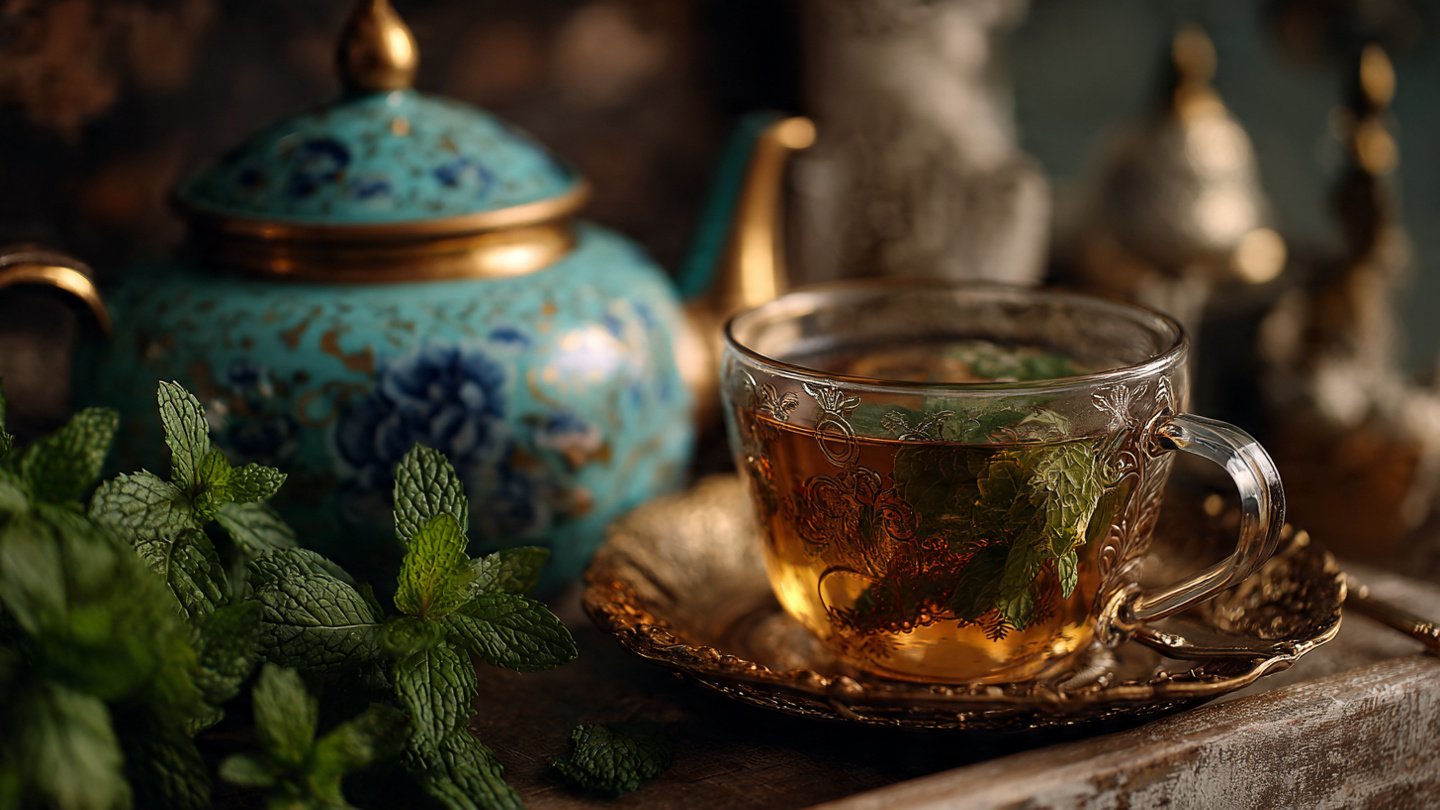
From ancient medicine to modern wellness, peppermint tea continues to prove that nature’s remedies often come in the simplest forms. Its refreshing flavor, digestive support, and mental clarity benefits make it a must-have in every tea lover’s collection.
As part of your broader herbal tea journey, tea embodies the essence of natural healing, a reminder that wellness can be as simple as steeping a few leaves in hot water.