Morning Routine for Anxiety A Complete UK Guide to Calm Mornings and a Balanced Mind
Waking up with anxiety can feel exhausting before the day has even started. For many people in the UK, mornings bring a rush of anxious thoughts, tight breathing, and an overwhelming sense of pressure. A gentle and intentional morning routine for anxiety can help break this cycle. Instead of starting the day in stress mode, small calming habits can support your mind and body, ease nervous tension, and restore a sense of balance. With the right morning routine for anxiety, you can begin each day feeling calmer, more grounded, and better prepared to handle daily challenges.
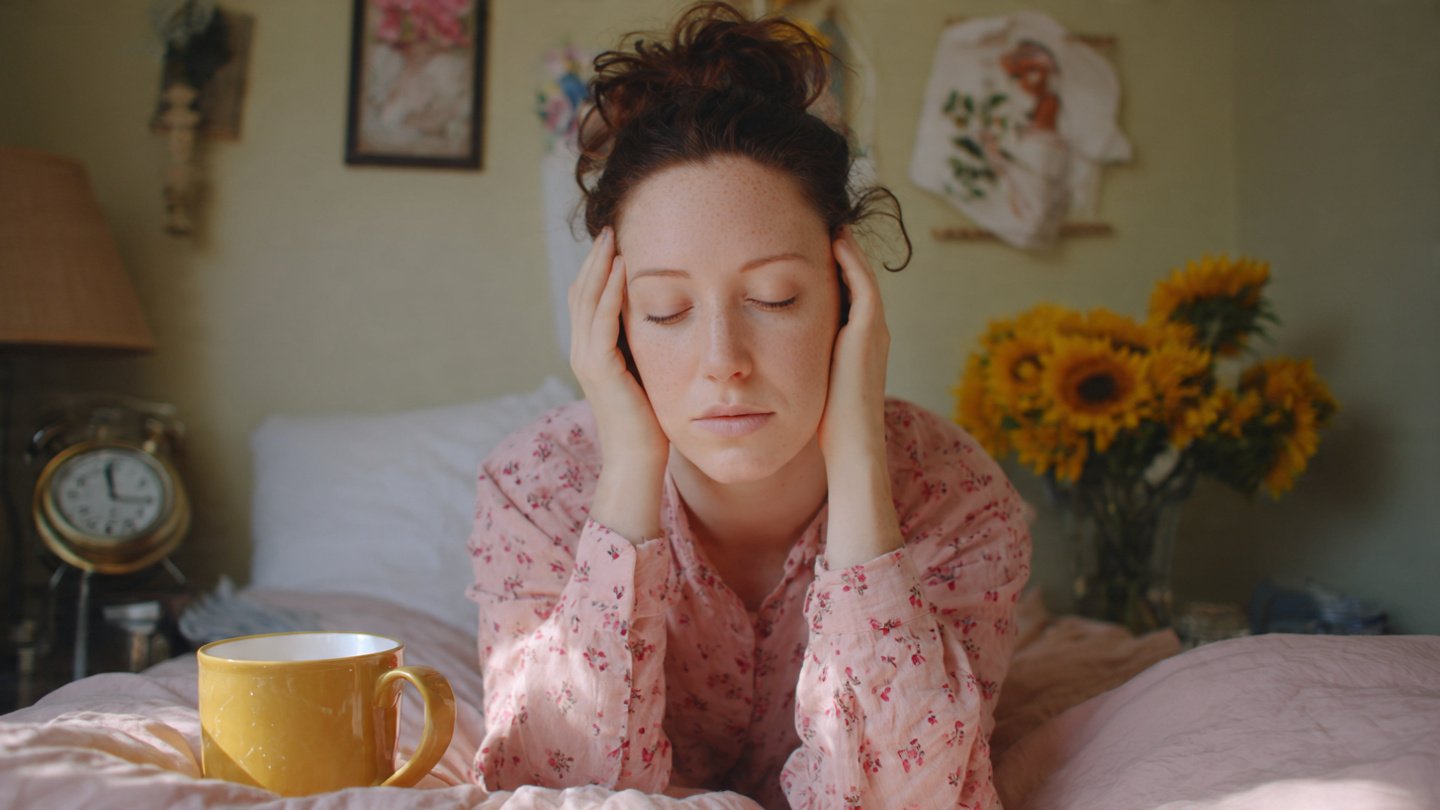
Waking up with a heavy feeling in your chest, racing thoughts, or a sudden sense of worry can be exhausting. For many people across the UK, anxiety doesn’t wait for the day to begin—it shows up the moment they open their eyes. If this feels familiar, know that you are not alone. A well-designed morning routine for anxiety can make a powerful difference in how your day unfolds.
Rather than trying to eliminate anxiety, the goal of a supportive routine is to calm the nervous system, reduce physical stress responses, and help you feel grounded before external pressures take over. When practised consistently, a morning routine becomes a form of daily self-care that supports emotional balance, focus, and long-term well-being.
Why Anxiety Is Often Worse in the Morning
Many mental health professionals explain that anxiety tends to feel stronger in the morning due to natural hormonal changes. Cortisol, the body’s primary stress hormone, rises shortly after waking. For individuals who experience anxiety, this increase can trigger restlessness, fear, nausea, or mental overwhelm.
Other common contributors include poor sleep, overthinking about the day ahead, financial or work-related stress, and immediate exposure to phones or news. Without structure, the mind easily moves into worry mode. This is where a morning routine for anxiety becomes essential — it creates safety and predictability when the mind feels most vulnerable.
How a Morning Routine Supports Mental Health
A consistent routine helps regulate both the mind and body. Instead of reacting to anxiety, you gently guide your system into a calmer state. A morning routine to reduce anxiety works by slowing breathing, stabilising blood sugar, easing muscle tension, and grounding attention in the present moment.
Over time, these habits train your nervous system to feel safer in the mornings. Even simple actions, when repeated daily, can reduce the intensity and duration of anxious thoughts.
A Step-by-Step Morning Routine for Anxiety
Wake Up Gently and at a Similar Time Each Day
One of the most effective morning habits for anxiety is maintaining a regular wake-up time. Irregular sleep patterns can confuse the nervous system and worsen stress responses. Try to wake up at the same time each day, even on weekends.
Avoid rushing or jumping straight out of bed. Take a few moments to stretch or breathe before standing. A calm start sets the tone for your entire morning routine.
Avoid Immediate Phone and News Exposure
Checking emails, messages, or news immediately after waking can trigger anxiety before your mind is ready. Many people notice that limiting screen time in the morning significantly improves focus and emotional stability.
Give yourself at least 20 to 30 minutes before using your phone. This simple change supports a calming morning routine and reduces mental overload.
Practise Slow, Regulating Breathing
Breathing is one of the fastest ways to calm the nervous system. A few minutes of intentional breathing can reduce heart rate and signal safety to the brain.
Try this breathing exercise:
-
Inhale slowly through your nose for four seconds
-
Exhale gently through your mouth for six seconds
-
Repeat for three to five minutes
This type of morning breathing for anxiety helps shift the body out of fight-or-flight mode and into a calmer state.
Hydrate Before Caffeine
Dehydration can intensify anxiety symptoms such as dizziness, fatigue, and tension. Drinking water shortly after waking supports brain function and physical balance.
If caffeine increases your anxiety, consider reducing your intake or switching to herbal tea. Many people find that hydration is a small but powerful part of a simple morning routine.
Gentle Movement to Release Physical Tension
You don’t need intense exercise first thing in the morning. In fact, gentle movement is often more effective for anxiety. Stretching, slow yoga, or a short walk outdoors can help release tension stored in the body.
Movement improves circulation, supports mood, and reduces restlessness. Including gentle activity in your morning routine for anxiety helps you feel more grounded and present.
Eat a Balanced, Anxiety-Friendly Breakfast
Skipping breakfast or relying on sugary foods can cause blood sugar spikes and crashes, which may worsen anxiety. A balanced breakfast supports emotional regulation and steady energy.
Helpful breakfast options include oats, eggs, yoghurt, fruit, nuts, or whole grains. Eating mindfully, without rushing, supports morning self-care for anxiety and helps you start the day feeling nourished.
Ground Your Mind with a Simple Practice
Grounding techniques bring your attention back to the present moment, reducing anxious thoughts about the future. This is an important part of any morning routine to reduce anxiety.
Simple grounding ideas include:
-
Naming five things you can see around you
-
Holding a warm mug and focusing on the sensation
-
Writing one reassuring thought in a notebook
These practices remind your body that you are safe right now.
Set an Intention Instead of a Long To-Do List
Overplanning can increase pressure and overwhelm. Instead of listing everything you need to do, set one gentle intention for the day. For example, “I will move at a steady pace today” or “I will be kind to myself.”
What to Avoid in the Morning When You Have Anxiety
Certain habits can unintentionally increase anxiety levels. If possible, try to limit news consumption, work emails, social media scrolling, and rushing through tasks early in the day. Skipping meals or overloading yourself with caffeine can also worsen symptoms.
A supportive morning routine focuses on simplicity, calmness, and self-compassion rather than productivity alone.
Adapting Your Routine for Busy Mornings
Not every morning will be calm or predictable, and that’s okay. Even on busy days, a short routine can still be effective. Focus on one or two key habits, such as breathing and hydration.
Consistency matters more than length. A flexible approach helps your morning routine for anxiety remain realistic and sustainable.
How Long Does It Take to See Improvement?
Many people begin to notice subtle changes within one to two weeks of practising a calming morning routine consistently. Anxiety may still appear, but it often feels less intense and easier to manage.
Over time, these habits help build emotional resilience and confidence. A morning routine for anxiety is not about quick fixes; it’s about creating long-term support for your mental health.
Long-Term Benefits of a Morning Routine for Anxiety
With continued practice, a supportive routine can help you feel calmer in the mornings, improve focus, reduce physical anxiety symptoms, and build a more positive relationship with your thoughts. It also encourages self-trust and emotional awareness. Most importantly, it reminds you that anxiety does not control your entire day.
Healthy Morning Routines in the UK: Tips
Following healthy morning routines in the UK can significantly improve both mental and physical well-being in today’s busy lifestyle. From mindful waking and gentle movement to balanced breakfasts and limiting early screen time, small daily habits play a vital role in reducing stress and boosting focus. Adopting healthy morning routines in the UK tips helps create structure, supports emotional balance, and encourages long-term wellness. When practised consistently, these routines can lead to improved energy levels, a better mood, and a more positive start to the day.
Frequently Asked Questions
1. What is the best morning routine for anxiety?
The best morning routine for anxiety includes gentle waking, slow breathing, hydration, light movement, and a calm start without immediate screen use. These habits help regulate the nervous system and reduce stress responses early in the day.
2. Why does anxiety feel worse in the morning?
Anxiety often feels stronger in the morning due to a natural rise in cortisol levels, poor sleep, and anticipation of the day ahead. A structured morning routine for anxiety can help balance hormones and calm the mind.
3. How long should a morning routine for anxiety be?
A morning routine does not need to be long. Even 10–15 minutes of breathing, hydration, and grounding practices can make a noticeable difference when done consistently.
4. Can a morning routine really reduce anxiety?
Yes, a consistent morning routine can reduce anxiety by creating predictability, calming the nervous system, and lowering physical stress responses. Over time, these habits support emotional regulation and mental clarity.
5. What should I avoid in the morning if I have anxiety?
If you experience anxiety, try to avoid checking your phone immediately, watching the news, skipping breakfast, rushing, or consuming too much caffeine early in the morning.
6. Is exercise good for anxiety in the morning?
Gentle movement, such as stretching, yoga, or walking, is ideal for anxiety in the morning. Intense exercise may increase stress for some people, while light movement helps release tension calmly.
7. What is a simple morning routine for anxiety on busy days?
On busy mornings, focus on breathing exercises, drinking water, and setting a calming intention. Even a simplified morning routine can support emotional balance.
8. How long does it take to see results from a morning routine?
Many people notice reduced anxiety within one to two weeks of following a calming morning routine consistently. Long-term benefits improve with patience and regular practice.
9. Can diet affect morning anxiety?
Yes, skipping meals or eating sugary foods can worsen anxiety. A balanced breakfast helps stabilise blood sugar levels and supports a calmer start to the day.
10. Is a morning routine helpful for long-term anxiety management?
A morning routine is a supportive tool for long-term anxiety management. While it does not replace professional care, it helps build daily stability, confidence, and emotional resilience.
Final Thoughts
Living with anxiety can be challenging, but it does not define who you are. A gentle and realistic morning routine for anxiety gives you a sense of control and care at the start of each day. You don’t need to follow every step perfectly. Start small, stay consistent, and adjust the routine to suit your lifestyle. With patience and self-compassion, mornings can become calmer, steadier, and more supportive — one habit at a time.