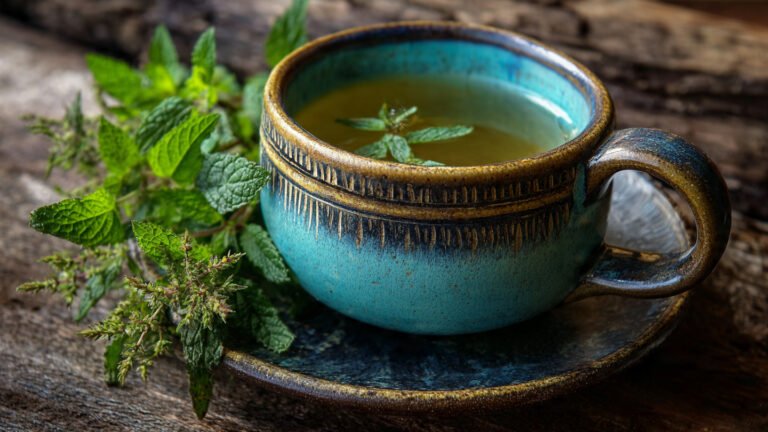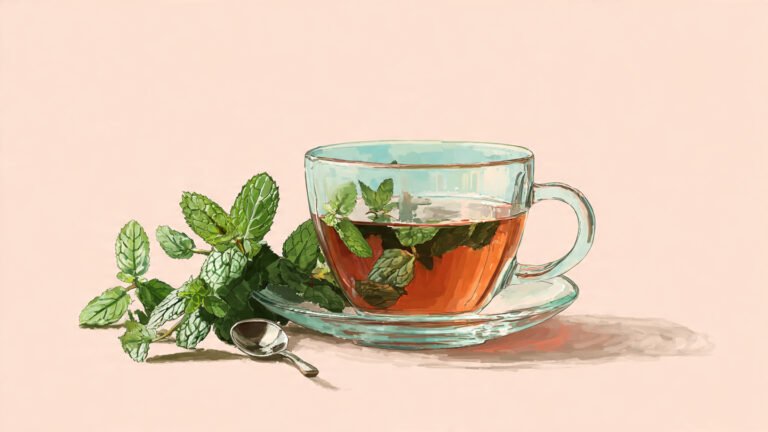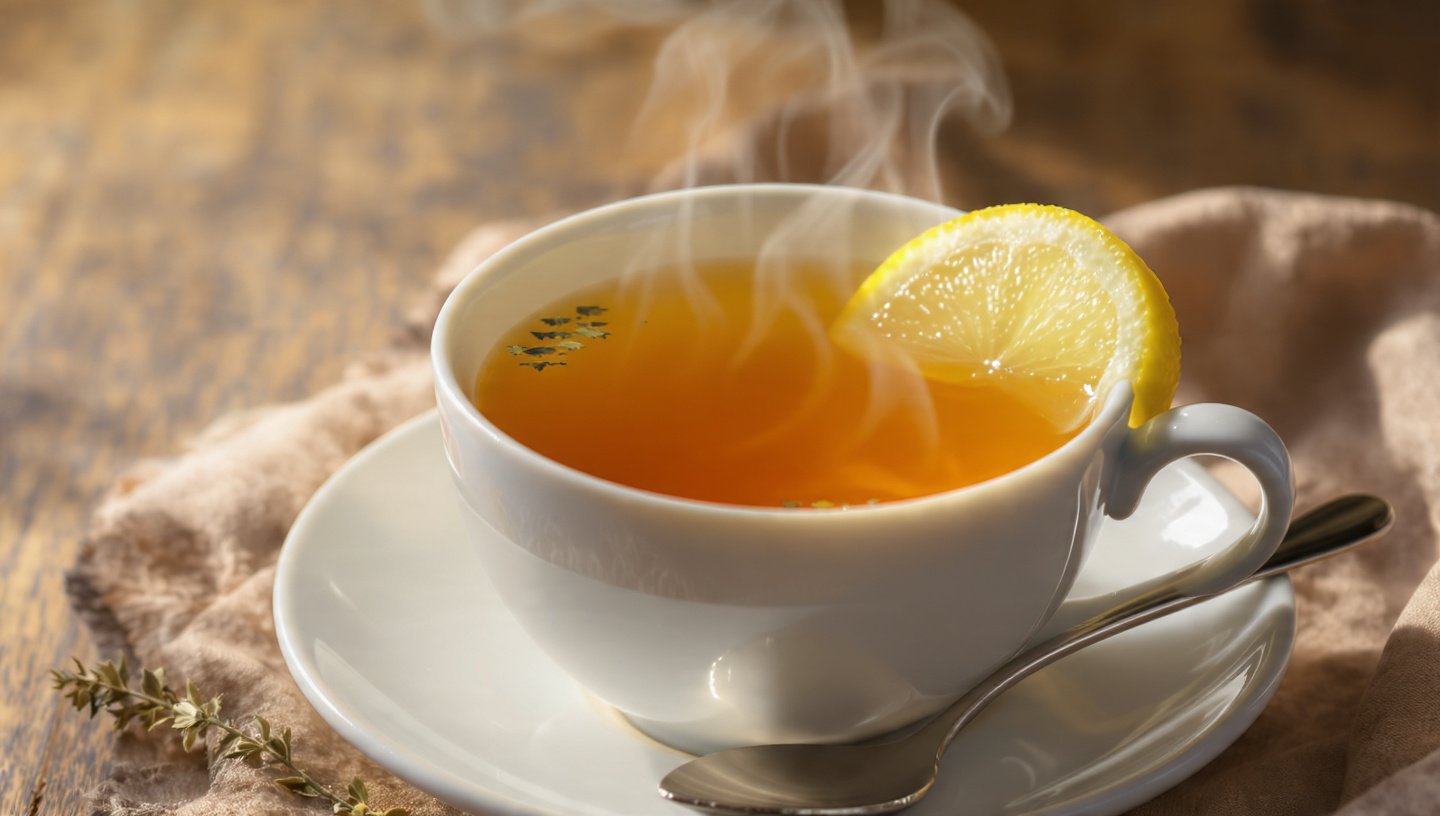
Best Herbal Tea in the UK and Healthy Herbal Teas for Relaxation & Wellness
Best Herbal Tea in the UK has been a trusted companion for wellness seekers for thousands of years. Whether you’re sipping chamomile before bed or enjoying peppermint after a meal, these caffeine-free infusions offer more than just a pleasant taste. They bring a world of health benefits, cultural traditions, and natural remedies right to your cup.
In this complete Best Herbal Tea in the UK guide, we’ll explore everything you need to know about these healing beverages—from their fascinating history to scientifically-backed health benefits, popular varieties, brewing techniques, and tips for choosing the right blend for your needs.
What Is the Best Herbal Tea and How Is It Different from Regular Tea?
Let’s clear up a common misconception first. True tea—like black, green, white, and oolong—comes from the Camellia sinensis plant. Best Herbal Tea in the UK, on the other hand, is technically not “tea” at all. The proper term is “tisane.”
These beverages are made by steeping dried flowers, leaves, seeds, roots, or fruits in hot water. Think of chamomile flowers, peppermint leaves, or ginger roots. Since they don’t contain tea leaves, most are naturally caffeine-free, making them perfect for any time of day or night.
This distinction matters because it affects not only the caffeine content but also the flavor profiles and health benefits you can expect from your cup.
A Brief History of Healing Infusions
This wellness practice isn’t a modern trend. Archaeological evidence suggests that humans have been brewing herbal infusions for over 5,000 years. Ancient Egyptians used medicinal herbs for healing purposes, while Traditional Chinese Medicine has incorporated botanical remedies for millennia.
The ancient Greeks and Romans documented the use of herbs like mint and chamomile for digestive health. In medieval Europe, monastery gardens cultivated healing plants that monks would brew into therapeutic drinks. These traditional remedies formed the foundation of natural medicine.
Today, these ancient practices bridge the gap between traditional wisdom and modern science. Research institutions worldwide are studying the compounds in these plants to understand exactly how they benefit our health.
Science-Backed Health Benefits
While herbal infusions have been used traditionally for various ailments, modern research is now validating many of these claims. Here’s what science says about the medicinal benefits and therapeutic properties of popular varieties.
Supports Digestive Health
Peppermint and ginger are champions for digestive comfort. A study published in the Journal of Clinical Gastroenterology found that peppermint oil can help reduce symptoms of irritable bowel syndrome (IBS). The menthol relaxes the muscles in your digestive tract, easing discomfort and bloating.
Ginger works differently. It stimulates digestive enzymes and helps move food through your system more efficiently. Research in the World Journal of Gastroenterology shows that ginger can reduce nausea and improve overall digestive function, making it one of the best options for stomach issues.
Promotes Better Sleep Quality
Chamomile is practically synonymous with bedtime. This isn’t just folklore. A 2016 study in the Journal of Advanced Nursing found that postpartum women who drank chamomile for two weeks reported better sleep quality and fewer symptoms of depression.
The secret lies in apigenin, an antioxidant that binds to specific receptors in your brain that may promote sleepiness and reduce insomnia.
Passionflower and valerian root also show promise for sleep support. A systematic review in Sleep Medicine Reviews noted that valerian may improve sleep quality without the side effects associated with traditional sleep medications. These natural remedies offer a gentle alternative for better rest.
Boosts Immune Function
During cold and flu season, many people turn to botanical infusions for immune support. Elderberry, in particular, has gained attention for its antiviral properties. Research in the Journal of International Medical Research demonstrated that elderberry extract could reduce the duration and severity of flu symptoms.
Echinacea is another immune-boosting favorite. While research results are mixed, a meta-analysis in The Lancet Infectious Diseases suggested that echinacea products may reduce the risk of developing colds. These remedies can be powerful allies during illness.
Reduces Stress and Anxiety
Modern life is stressful, and natural infusions offer a gentle way to unwind. Lemon balm has been studied for its calming effects. Research published in Nutrients showed that lemon balm extract improved mood and cognitive performance while reducing anxiety.
Lavender also demonstrates anti-anxiety properties. A study in Complementary Therapies in Medicine found that lavender aromatherapy and consumption reduced anxiety levels in patients undergoing coronary artery bypass surgery. These calming beverages provide natural stress relief.
Supports Heart Health
Hibiscus stands out for its cardiovascular benefits. Multiple studies, including one in the Journal of Nutrition, have shown that hibiscus can help lower blood pressure in people with mild hypertension. The anthocyanins and other antioxidants may improve blood vessel function.
Rooibos from South Africa contains antioxidants like aspalathin that may support heart health by reducing inflammation and improving cholesterol levels. This caffeine-free option is rich in heart-healthy compounds.
Aids in Weight Management
While no beverage is a magic weight-loss solution, some herbs may support your efforts. Green rooibos contains compounds that may help prevent fat cell formation and encourage fat metabolism, according to research in Phytomedicine.
Yerba mate, a South American variety, has been studied for its potential to increase metabolism and reduce appetite. However, it does contain caffeine, so it’s not suitable for everyone seeking caffeine-free options.
Most Popular Types and Their Benefits
With hundreds of varieties available, knowing which ones to try can feel overwhelming. Here are the most popular Herbal Tea Benefits and what makes each special.
Chamomile
Made from daisy-like flowers, this golden beverage has a mild, slightly sweet flavor with apple notes. Benefits include promoting relaxation and sleep support, plus anti-inflammatory properties, and help with menstrual cramps. Many people drink it at night for natural calming effects.
Best for: Evening relaxation, natural sleep aid, digestive comfort
Peppermint
Refreshing and cooling, peppermint delivers a clean, minty flavor. The menthol provides a natural cooling sensation and helps clear sinuses. It’s excellent for digestive support and can help relieve headaches. This is one of the most popular varieties worldwide for after-meal comfort.
Best for: After-meal digestion, respiratory clarity, natural headache relief
Ginger
Spicy and warming, ginger has a distinctive kick that many people love. It’s made from fresh or dried root and is exceptional for nausea relief, motion sickness, and improving circulation. Many people add honey and lemon to balance the spiciness.
Best for: Nausea relief, immune support, warming on cold days, anti-inflammatory benefits
Rooibos
This South African red beverage has a naturally sweet, nutty flavor with vanilla notes. It’s rich in antioxidants and minerals like calcium, magnesium, and zinc. It’s also naturally sweet, so you might not need added sweeteners. As a caffeine-free alternative to black varieties, it has become increasingly popular worldwide.
Best for: Antioxidant boost, bone health, caffeine-free alternative, natural sweetness
Hibiscus
Tart and cranberry-like, hibiscus has a beautiful, deep red color that makes it visually stunning. It’s loaded with vitamin C and powerful antioxidants. The tangy flavor makes it refreshing when served iced, and it’s a favorite in many tropical regions.
Best for: Blood pressure support, vitamin C intake, refreshing iced beverages, heart health
Lemon Balm
This member of the mint family has a light, lemony flavor. It’s gentle and calming without being sedating, making it suitable for daytime stress relief. It’s also been traditionally used for digestive upset.
Best for: Stress management, mental clarity, mild digestive issues
Lavender
Floral and aromatic, lavender is made from purple flowers. It has a distinct perfume-like quality that some people love, and others find overwhelming. Start with small amounts to see if you enjoy the flavor.
Best for: Anxiety relief, aromatherapy benefits, evening relaxation
Echinacea
Earthy with a slightly bitter taste, echinacea is made from the purple coneflower. It’s most commonly used at the first sign of a cold or flu. The flavor isn’t everyone’s favorite, so mixing it with other herbs like peppermint can help.
Best for: Immune support, cold prevention, seasonal wellness
How to Brew the Perfect Cup of Herbal Tea
Brewing the best herbal tea is simple, but a few techniques can make your cup even better. Unlike true teas, these infusions generally benefit from longer steeping times and hotter water. Learning proper preparation ensures you extract maximum flavor and benefits.
Basic Brewing Steps
Step 1: Start with fresh, filtered water. Water quality affects taste more than you might think. Avoid distilled water, which can make beverages taste flat.
Step 2: Heat water to a rolling boil (about 212°F or 100°C). Unlike green or white varieties, most herbal infusions can handle boiling water without becoming bitter.
Step 3: Measure your herbs. For loose-leaf, use about one to two teaspoons per cup of water. For bags, one per cup is standard.
Step 4: Steep for the right amount of time. This varies by herb:
- Delicate flowers (chamomile, lavender): 5-7 minutes
- Leaves (peppermint, lemon balm): 5-10 minutes
- Roots and bark (ginger, valerian): 10-15 minutes
- Seeds (fennel, anise): 10-12 minutes
Step 5: Strain or remove the bag. Taste before adding sweeteners. A wide varieties are naturally sweet or flavorful enough without additions.
Tips for Better Flavor
Cover your cup while it steeps to keep volatile oils from escaping. These oils carry much of the flavor and therapeutic compounds.
Use a teapot or covered mug rather than an open cup when possible.
Don’t reuse bags or leaves. Unlike true teas, herbal infusions typically don’t steep well a second time.
Experiment with steeping times. Some people prefer a lighter, more delicate flavor, while others want a robust, full-bodied cup.
Cold Brewing Method
Cold brewing creates a smoother, less bitter flavor and works wonderfully for hibiscus, peppermint, and fruit-based varieties. This method is perfect for summer refreshment.
Place your herbs in a pitcher or jar with cold water (use about double the amount you’d use for hot brewing). Refrigerate for 8-12 hours or overnight. Strain and enjoy over ice.
Cold brewing extracts different compounds than hot water, sometimes resulting in a sweeter, more delicate flavor profile.
Choosing the Best Quality Herbal Tea in the UK Products
Not all products are created equal. When shopping for Best Herbal Tea in the UK, quality makes a real difference in both taste and potential health benefits. Consider these important factors.
Look for Organic Certification
Herbs can absorb pesticides and chemicals from soil and water. Choosing organic ensures you’re not drinking these unwanted substances along with your beneficial plants.
Organic certification is especially important for herbs where you consume the entire leaf or flower, like peppermint or chamomile. Look for USDA Organic or similar certifications.
Check Freshness
Dried herbs lose their potency over time. Look for harvest dates or best-by dates on packaging. Products are best consumed within one year of harvest.
Fresh herbs should have a strong, distinct aroma when you open the package. If it smells musty, weak, or like nothing at all, it’s probably too old.
Choose Loose Leaf When Possible
Loose-leaf varieties generally offer better quality than bags. You can see exactly what you’re getting, and the herbs haven’t been ground into dust, which speeds up flavor and compound degradation.
If you prefer bags for convenience, look for pyramid or sachet bags that give herbs room to expand and release their flavors. Many premium brands now offer high-quality bags that rival loose-leaf options.
Read the Ingredient List
Some commercial products contain “natural flavors,” which can mean anything from fruit extracts to artificial compounds. Pure options should list only the herbs, nothing else.
Blends are fine if you know what you’re getting. Just make sure added ingredients serve a purpose rather than acting as fillers.
Source Matters
Where your herbs come from affects quality. Some regions are known for specific herbs:
- Chamomile from Egypt or Eastern Europe
- Rooibos from South Africa
- Yerba mate from South America
- Peppermint from the Pacific Northwest
Reputable companies will tell you where their herbs are sourced.
Potential Side Effects and Precautions
Natural infusions are generally safe for most people, but natural doesn’t always mean risk-free. Here’s what you should know before incorporating them into your daily routine.
Pregnancy and Breastfeeding Considerations
Wide varieties are not recommended during pregnancy or breastfeeding. Some herbs can stimulate uterine contractions or affect hormone levels.
Generally considered safe during pregnancy (in moderation):
- Ginger (for morning sickness)
- Peppermint (after first trimester)
- Rooibos
Should be avoided during pregnancy:
- Chamomile (in large amounts)
- Hibiscus
- Passionflower
- Valerian root
Always consult your healthcare provider before consuming herbal infusions during pregnancy or while breastfeeding.
Medication Interactions
Botanical drinks can interact with medications. Here are some important examples:
Chamomile may interact with blood thinners like warfarin due to its mild anticoagulant properties.
Ginger in high doses may affect blood clotting and diabetes medications.
Licorice root can interact with blood pressure medications and diuretics.
St. John’s Wort interacts with numerous medications, including antidepressants, birth control pills, and blood thinners.
If you take any prescription medications, discuss your herbal consumption with your doctor or pharmacist.
Allergies
If you have plant allergies, you may react to certain herbs. People allergic to ragweed, for example, might react to chamomile, echinacea, or calendula.
Start with small amounts when trying a new variety, especially if you have known plant allergies.
Overconsumption
More isn’t always better. Drinking excessive amounts can cause problems:
- Too much peppermint may worsen acid reflux
- Excessive licorice root can raise blood pressure
- Large amounts of fennel may have estrogen-like effects
Stick to 2-4 cups daily of any single herb unless directed otherwise by a healthcare provider.
Creating Your Own Herbal Tea Blends
Once you’re familiar with individual herbs, creating custom herbal tea blends is fun and allows you to target specific needs or flavor preferences. DIY recipes give you complete control over ingredients.
Blending Basics
Think of herbal blending like cooking. You need base notes, middle notes, and top notes.
Base notes (50-60% of blend): These provide body and foundational flavor. Examples include rooibos, chamomile, or nettle.
Middle notes (20-30% of blend): These add character and therapeutic benefits. Think lemon balm, peppermint, or rose petals.
Top notes (10-20% of blend): These provide aroma and finishing touches. Examples include lavender, citrus peel, or hibiscus.
Sample Blend Recipes
Relaxation Blend:
- 3 parts chamomile
- 2 parts lemon balm
- 1 part lavender
- 1 part passionflower
Digestive Comfort Blend:
- 3 parts peppermint
- 2 parts ginger
- 1 part fennel
- 1 part chamomile
Immune Support Blend:
- 3 parts echinacea
- 2 parts elderberry
- 1 part ginger
- 1 part rose hips (for vitamin C)
Morning Energy Blend (caffeine-free):
- 3 parts rooibos
- 2 parts peppermint
- 1 part ginger
- 1 part orange peel
Blending Tips
Start simple with just 2-3 herbs. You can always add complexity later.
Keep notes on your blends. Write down proportions so you can recreate favorites.
Let blends sit for a few days before using. This allows flavors to meld together.
Store custom blends in airtight containers away from light and heat to preserve freshness.
For Specific Health Goals
Different varieties excel at addressing specific health concerns. Here’s a quick reference guide for choosing the best option for your needs.
For Better Sleep
Best choices: Chamomile, valerian root, passionflower, lavender
Drink 30-60 minutes before bedtime. Create a relaxing ritual around your beverage time—dim the lights, avoid screens, and let your body know it’s time to wind down.
For Digestive Issues
Best choices: Peppermint, ginger, fennel, chamomile
Drink after meals or when experiencing digestive discomfort. Peppermint works quickly for bloating, while ginger is exceptional for nausea.
For Stress and Anxiety
Best choices: Lemon balm, chamomile, lavender, holy basil (tulsi)
Sip slowly throughout stressful situations. The ritual of making and drinking can be calming, independent of the herbs’ benefits.
For Cold and Flu Support
Best choices: Echinacea, elderberry, ginger, licorice root
Start at the first sign of illness. Drink 3-4 cups daily during acute illness, then reduce to 1-2 cups as you recover.
For Menstrual Cramps
Best choices: Chamomile, ginger, raspberry leaf, cinnamon
Start drinking a few days before your period begins and continue through the first few days. The anti-inflammatory and muscle-relaxing properties help reduce cramping.
Sustainable and Ethical Choices
As popularity grows, so does the importance of sustainable and ethical sourcing. When shopping, consider these environmental and social factors.
Fair Trade Certification
Fair Trade certification ensures farmers receive fair wages and work in safe conditions. This is particularly important for herbs grown in developing countries.
Supporting Fair Trade products helps improve living conditions for farming communities and promotes sustainable agricultural practices.
Environmental Impact
Some herbs require more resources to grow than others. Rooibos, for instance, grows only in a small region of South Africa and requires specific conditions.
Choose companies that practice sustainable harvesting, especially for wild-harvested herbs like elderberry or echinacea. Overharvesting can deplete natural populations.
Look for certifications like Rainforest Alliance or USDA Organic, which include sustainability standards.
Local and Wild-Harvested Options
If possible, source herbs locally. Many like mint, lemon balm, and chamomile grow easily in temperate climates. You can even grow your own garden at home.
Growing your own ensures freshness and gives you complete control over quality. Even a small windowsill garden can provide enough herbs for occasional beverages.
When purchasing wild-harvested herbs, ensure the company follows ethical wildcrafting practices that don’t harm plant populations or ecosystems.
Storing Your Collection
Proper storage keeps your herbs fresh and potent for as long as possible.
Storage Best Practices
Use airtight containers: Exposure to air degrades herbs quickly. Glass jars with tight-fitting lids work best.
Keep away from light: UV light breaks down beneficial compounds. Store in a dark cabinet or use opaque containers.
Avoid heat and moisture: Keep your collection in a cool, dry place. Don’t store near the stove or in the bathroom.
Label everything: Include the herb name and date of purchase. This helps you use older products first.
Shelf Life Guidelines
Properly stored herbs generally last:
- Leaves and flowers: 6-12 months
- Roots and bark: 1-2 years
- Seeds: 2-3 years
After these periods, they don’t become unsafe, but they lose flavor and potency. When in doubt, smell it—if the aroma is weak or off, it’s time to replace it.
Common Myths Debunked
Let’s clear up some common misconceptions so you can make informed choices.
Myth 1: All Varieties Are Caffeine-Free
Truth: While most contain no caffeine, some do. Yerba mate and guayusa contain significant caffeine. Always check labels if you’re looking for caffeine-free options.
Myth 2: These Drinks Can Cure Diseases
Truth: They can support health and may help with symptoms, but they’re not cures for serious medical conditions. Benefits work best as part of an overall healthy lifestyle, not as standalone treatments.
Myth 3: You Can Drink Unlimited Amounts
Truth: Moderation matters with any herbal remedy. Some can cause problems in large quantities. Stick to recommended amounts—typically 2-4 cups daily of any single herb is considered safe.
Myth 4: Effects Are Instant
Truth: Some effects, like peppermint’s cooling sensation or chamomile’s calming properties, may be noticeable quickly. But many benefits, especially immune support or chronic stress relief, require consistent use over weeks.
Myth 5: All “Natural” Means Safe
Truth: Natural doesn’t equal safe for everyone. Herbs are powerful plants with active compounds. Some can interact with medications or cause side effects. Research before consuming, especially if you have health conditions.
Frequently Asked Questions
Can I drink these every day?
Yes, most varieties are safe for daily consumption when used in moderation. Stick to 2-4 cups daily and rotate between different types to avoid overconsumption of any single herb.
Do they expire?
They don’t spoil like fresh food, but lose potency over time. Check for strong aroma—if the scent is weak, the beneficial compounds have degraded. Proper storage extends shelf life.
Can children drink these?
Many are safe for children in smaller doses, but some should be avoided. Chamomile and peppermint are generally considered safe for kids over age 2. Always dilute for young children and consult a pediatrician if unsure.
Is it better to drink hot or cold?
Both work! Hot may provide more immediate soothing effects, while cold can be more refreshing and hydrating. The beneficial compounds are extracted in both hot and cold brewing.
Can I add milk?
You can, though it’s less common than with black varieties. Rooibos and chai-spiced blends work well with milk. The tannins in some herbs may react with milk proteins, affecting taste.
Should I drink on an empty stomach?
Some, like ginger or peppermint, are fine on an empty stomach and may even help with digestion. Others, particularly those with high acid content like hibiscus, might cause discomfort for some people. Listen to your body.
Can these replace water for hydration?
They count toward daily fluid intake and can contribute to hydration. However, plain water should still be your primary beverage. Aim for a mix throughout the day.
The Future of Botanical Wellness
The market continues to grow as more people seek natural wellness solutions and botanical remedies. Research institutions are studying traditional herbs with modern scientific methods, validating ancient uses and discovering new benefits.
Innovative companies are creating convenient options like crystals and concentrates for on-the-go consumers. Functional blends targeting specific needs—sleep, focus, immunity—are becoming increasingly sophisticated based on consumer demand.
Climate change presents challenges for herb cultivation, making sustainable practices more important than ever. The industry is responding with regenerative agriculture and efforts to preserve biodiversity.
As interest in plant-based wellness grows, we can expect more clinical research, quality standards, and innovative products. The best brands are investing in transparency and sustainable sourcing.
Final Thoughts on Herbal Tea
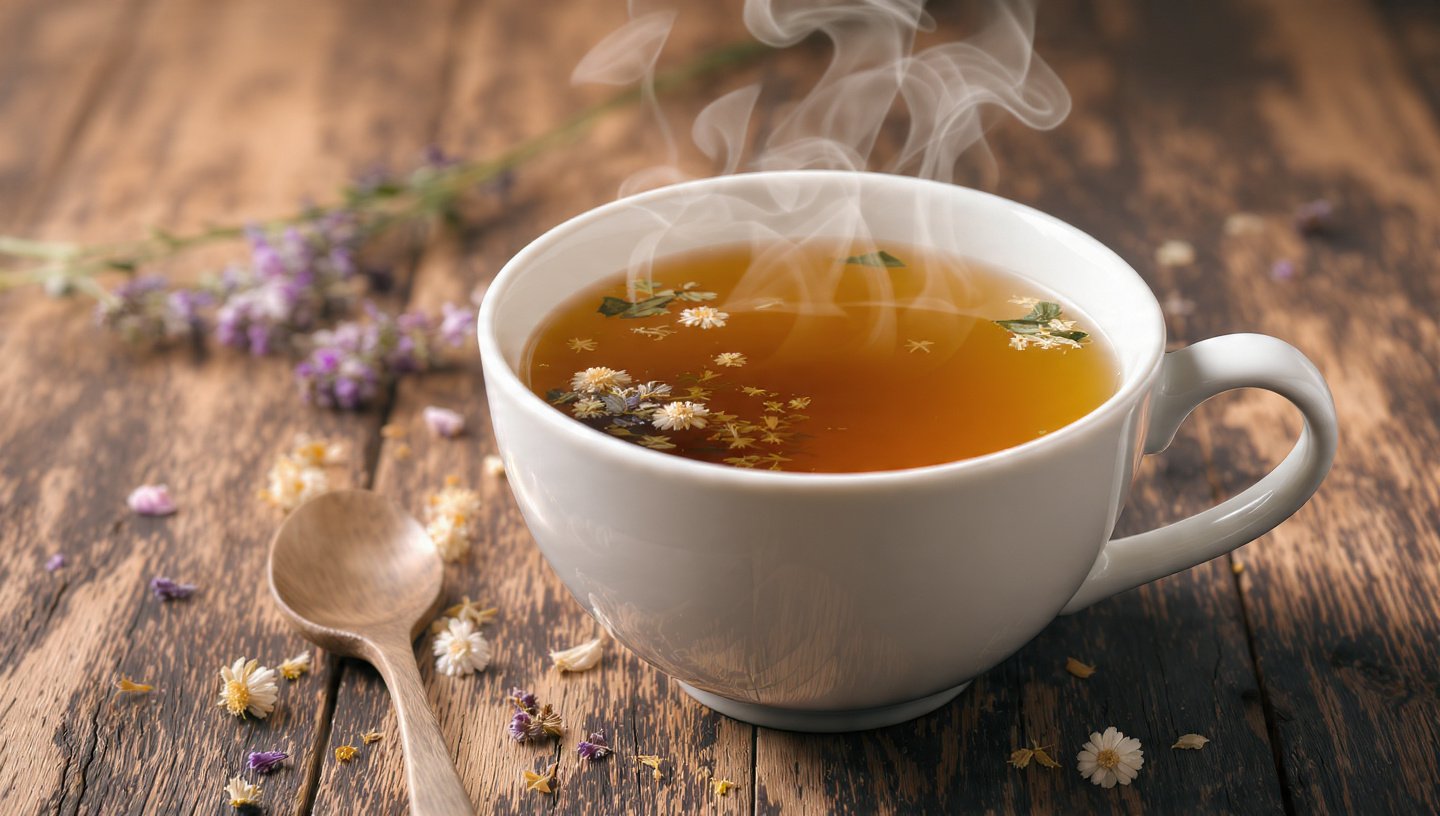
Best Herbal Tea in the UK offers a gentle, natural way to support your health and enjoy moments of calm in a busy world. Whether you’re drawn to the science-backed benefits, the rich cultural traditions, or simply the comforting ritual of a warm cup, there’s a perfect option for everyone.
Start with one or two varieties that address your specific needs or appeal to your taste preferences. Pay attention to how your body responds. Quality matters, so invest in good organic products from reputable sources.
Remember that these beverages work best as part of an overall healthy lifestyle—not as a replacement for medical care, good nutrition, or other healthy habits.
Take time to explore different herbs, experiment with blends, and discover which ones resonate with you. The world of botanical wellness is vast and rewarding for those willing to explore it.
Ready to start your wellness journey? Share this article with friends who might benefit from natural solutions, and leave a comment below about your favorite variety or questions you still have. Let’s build a community of enthusiasts supporting each other’s wellness goals!
Disclaimer: This article is for informational purposes only and is not intended as medical advice. Always consult with a qualified healthcare provider before using herbal infusions for therapeutic purposes, especially if you are pregnant, nursing, taking medications, or have existing health conditions.