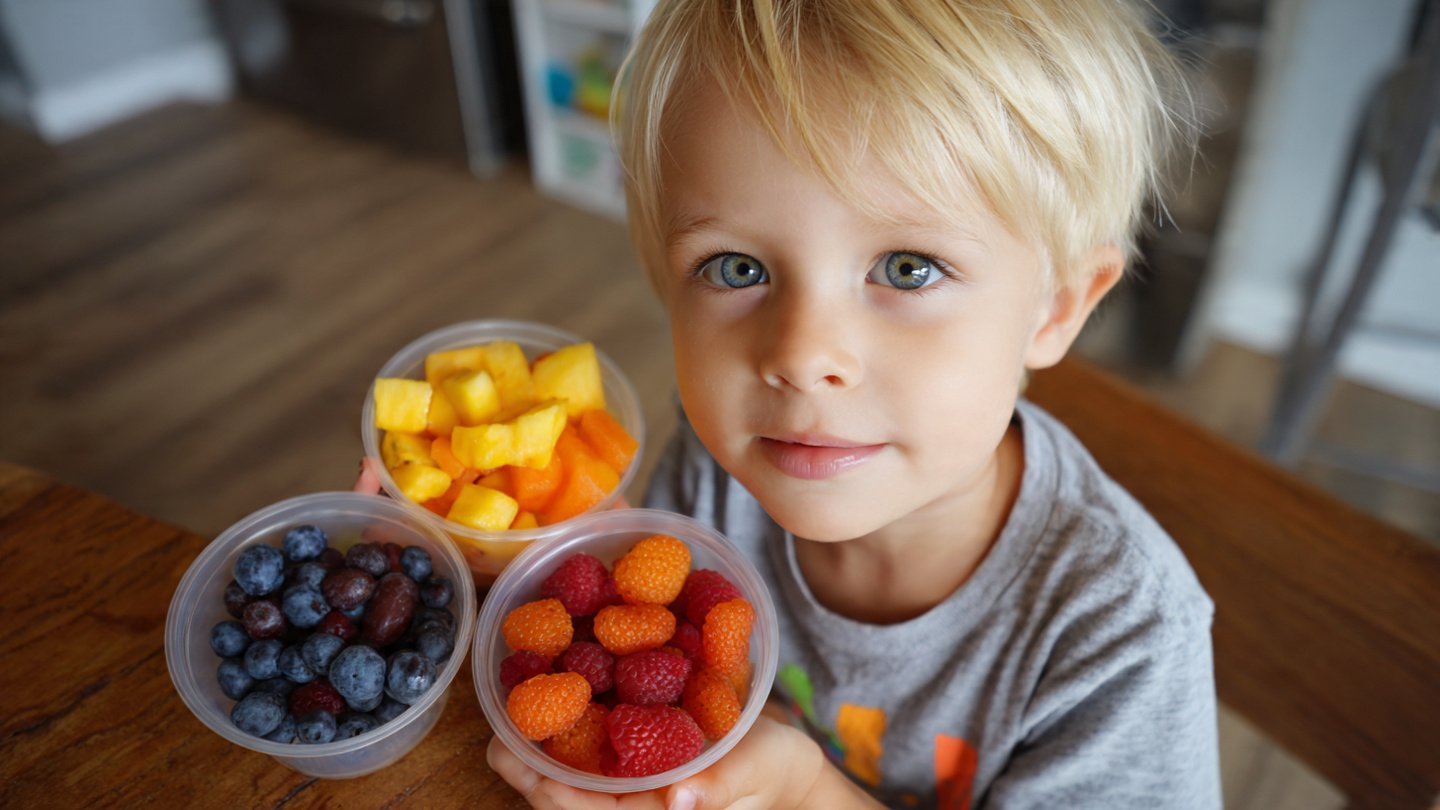
Best Healthy Snacks for Kids
Introduction
Choosing healthy snacks for kids can be difficult, especially when they are surrounded by sugary treats, ultra-processed foods, and colorful packaged snacks. But choosing the right options can make a huge difference in your child’s energy, mood, concentration, and long-term health. Healthy snacking isn’t just about avoiding junk food; it’s about giving kids delicious, balanced foods that help them grow strong, stay active, and feel satisfied between meals.
Parents today are looking for quick, easy, and nutritious snack ideas that are school-safe, low in added sugar, high in fiber, and supportive of healthy growth. That’s why some of the most recommended healthy snacks for kids include fresh fruits, vegetable sticks, yogurt pots, whole-grain crackers, homemade popcorn, boiled eggs, cheese cubes, oat bars, smoothies, and fun, finger-friendly options children love. These snacks provide the perfect mix of protein, fiber, healthy fats, vitamins, and slow-release carbohydrates, helping prevent the energy crashes linked to sugary snacks.
In this guide, you’ll find the best healthy snacks for kids inspired by top nutrition experts and UK health organizations—including ideas for school lunchboxes, after-school snacks, toddler-friendly snacks, and age-appropriate treats. You will also learn how to make snacks healthier through simple habits: choosing whole foods, prepping in advance, limiting packaged snacks, combining protein with fiber, controlling portion sizes, and prioritizing hydration.
Whether your child is a picky eater, active and always hungry, or needs allergy-friendly and nut-free options, this article will give you practical, tasty, and parent-approved solutions. With the right healthy snacks for kids, you can support better focus, steady energy, healthy weight, stronger immunity, and a positive relationship with food—all while making snack time fun, colorful, and stress-free.
Why Healthy Snacks for Kids Matter
Choosing the right healthy snacks for kids helps in many ways:
-
Boosts concentration. Nutritious snacks help kids stay alert and focused, especially during school hours.
-
Supports growth. Whole foods like fruits, vegetables, proteins, and whole grains provide essential vitamins, minerals, and fibre.
-
Steady energy—Balanced snacks prevent sugar crashes and keep energy levels stable.
-
Builds lifelong habits—Involving kids in preparing snacks teaches independence and encourages healthier choices in the future.
Best Healthy Snacks for Kids
1. Fruit & Veg Sticks with Dips
Fresh fruit and vegetable sticks paired with hummus, yoghurt dip, or soft cheese make a colourful and nutritious snack. Getting kids involved in cutting or arranging the sticks makes them more excited to eat them.
2. Yogurt and Fruit Cups
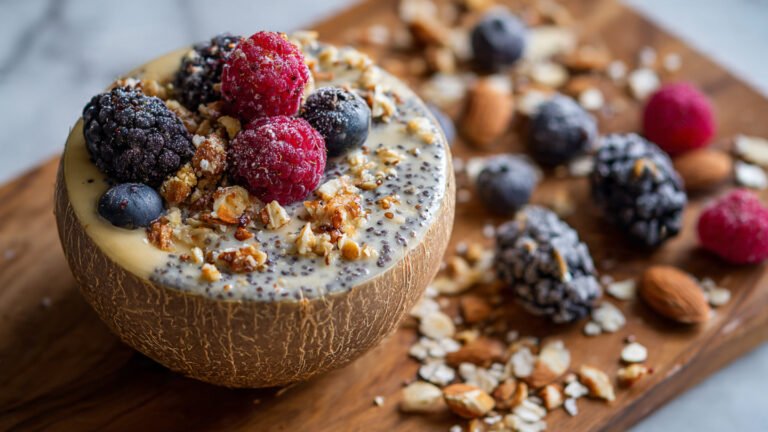
Plain or Greek yoghurt mixed with fresh fruit slices offers natural sweetness plus protein. You can add chia seeds or a small amount of granola for extra crunch.
3. Wholemeal Toast Toppings
Wholemeal toast topped with mashed avocado, peanut butter (if safe), banana slices, or reduced-fat cheese is a simple but filling option for kids.
4. Rice Cakes & Crackers
Choose plain rice cakes or whole-grain crackers and pair them with cheese, hummus, or soft fruit spreads. They are easy to pack in lunchboxes and perfect for on-the-go snacking.
5. Homemade Popcorn
Air-popped popcorn is a fun, crunchy, and low-fat snack. Add a light sprinkle of cinnamon for flavor without adding sugar.
6. Mini Sandwiches or Wraps
Small sandwiches made with wholemeal bread, tuna, egg, or soft cheese make a balanced, protein-rich snack that keeps kids full longer.
7. Boiled Eggs
Easy to prepare and high in protein, boiled eggs are one of the most convenient healthy snacks for kids. Pair with fruit or whole-grain crackers.
8. Homemade Fruit or Veg Chips
Bake thin slices of sweet potato, carrot, beetroot, or apple to make crunchy chips at home, healthier and more fun than store-bought crisps.
9. Cheese & Whole-Grain Snacks
Cheese cubes with wholegrain crackers or breadsticks provide calcium, energy and essential nutrients.
10. Nut or Seed Mix (Age-Appropriate)
For older kids, small portions of nuts or seeds offer healthy fats and long-lasting energy. Use nut-free alternatives for younger children or allergy-sensitive environments.
11. DIY Oat Bites / Energy Balls
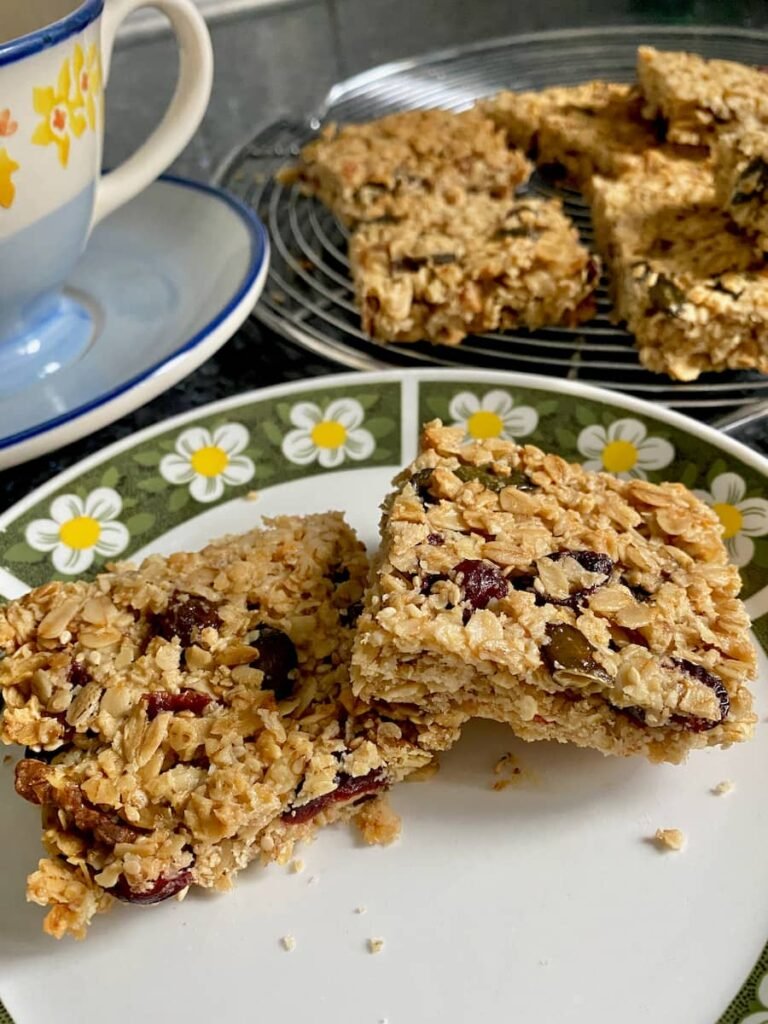
Mix oats, banana, peanut butter, and seeds to make kid-friendly energy bites. They’re easy to store, fun to roll, and perfect for lunchboxes.
12. Hydrating Snacks
Fruits like watermelon, oranges, and grapes help kids stay hydrated. Encourage water or milk instead of sugary drinks.
Practical Tips for Healthier Snacking
Prep ahead—chop fruits, prepare dips, and portion snacks at the start of the week.
Limit packaged snacks—try to stick to fewer processed options.
Check labels—choose snacks low in added sugar and salt.
Set snack times—prevents overeating and creates a routine.
Keep portions small—use snack-sized containers.
Offer water first—thirst is often mistaken for hunger.
Involve your kids—allow them to select fruits, prepare dips, or arrange snacks.
FAQ—Healthy Snacks for Kids
Q: How many snacks should kids have per day?
Most children do well with two healthy snacks a day, one in the morning and one in the afternoon.
Q: Are homemade snacks better than store-bought?
Yes. Homemade snacks are usually lower in sugar, salt, and unhealthy fats. They also give you full control over ingredients.
Q: What are the best nut-free snacks for school?
Fruit slices, yogurt, cheese sticks, vegetable sticks, whole-grain crackers, rice cakes, popcorn, and oat bars.
Q: How do I make kids eat more vegetables?
Make snack prep fun—let them pick colors, cut shapes, or dip veggies in hummus or yogurt.
How to Make Your Snacks Even Healthier
Here are the easiest ways to make healthy snacks for kids even more nutritious:
Choose whole foods
Fresh fruits, nuts, seeds, yogurt, and whole grains always beat processed snacks.
Prep your snacks ahead
Boil eggs, chop veggies, or pre-portion nuts at the start of the week.
Control serving sizes
Even healthy snacks for kids can add up. Use small containers for portion control.
Combine protein and fiber
This formula keeps children satisfied and energized for a longer period.
Stay hydrated
Sometimes kids feel hungry when they’re actually thirsty—offer water first.
Conclusion
Providing healthy snacks for kids doesn’t need to be complicated. With simple whole foods, smart combinations, and a little planning, you can create snacks that are tasty, colorful, and full of nutrients. Whether you choose fruit sticks, yogurt bowls, whole-grain crackers, or homemade popcorn, these ideas help build strong bodies, sharp minds, and healthy lifelong eating habits.