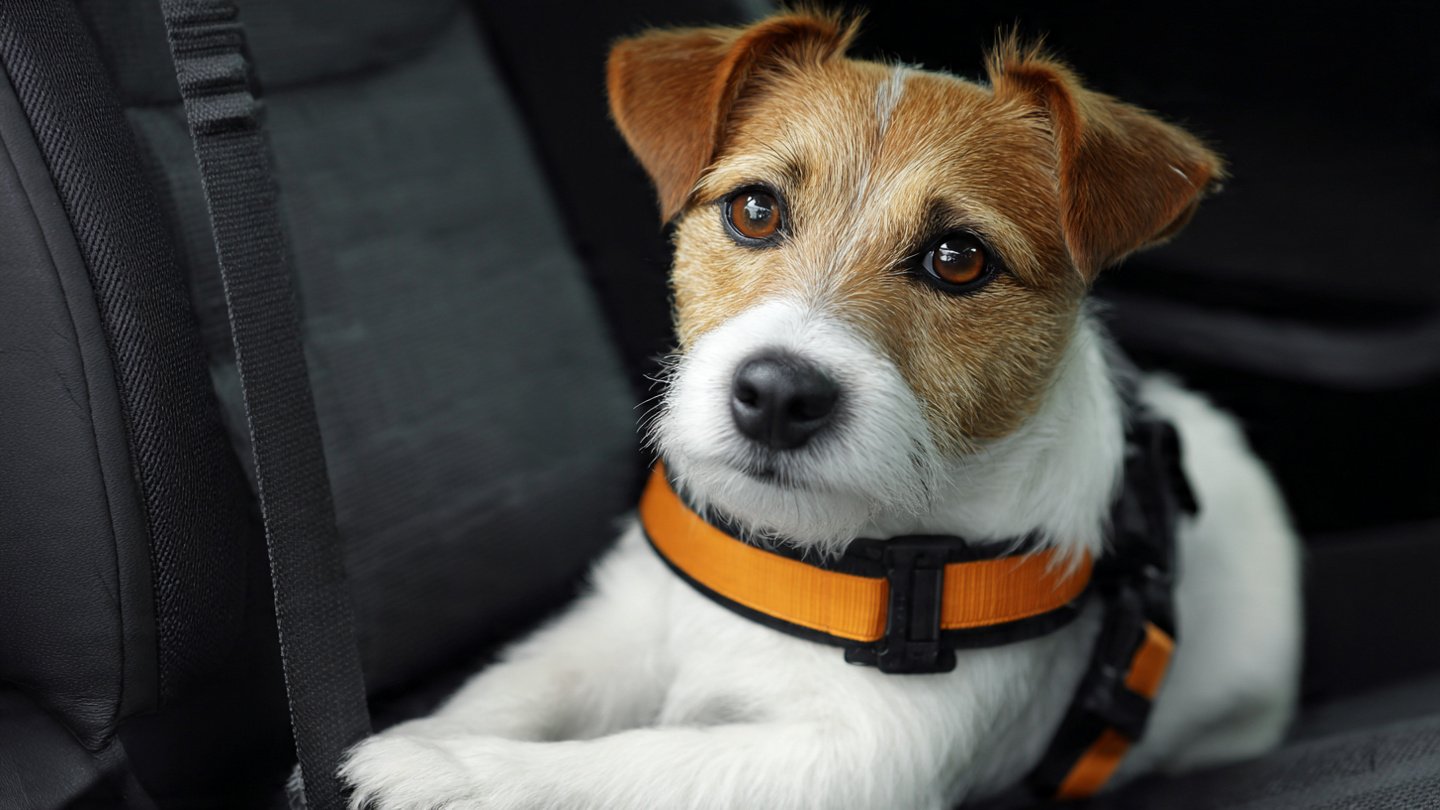
Dog Safety Seat Car UK Guide for Safe Travel With Your Dog
Dog Safety Seat Car UK: Travelling with dogs has become part of everyday life in the UK. Whether it is a quick drive to the vet, a countryside adventure, or a holiday trip, many pet owners take their dogs along. However, car safety is often overlooked.
Using a dog safety seat in the car is one of the easiest ways to protect both your dog and everyone inside the vehicle. A proper dog car seat keeps your pet secure, prevents distractions while driving, and reduces the risk of injuries during sudden stops or accidents.
In this complete guide, you will learn why a dog car seat matters, what UK law says about travelling with pets, how to choose the right seat, and practical tips to make every journey comfortable and safe.
The straightforward answer is: can dogs eat crisps? No — not safely, and definitely not as a regular treat. Crisps contain high levels of salt, oils, and artificial flavourings that are not suitable for a dog’s digestive system. Instead of sharing human snacks, it is better to focus on healthier habits for your pet, including proper nutrition and safe travel practices, such as using a Dog Safety Seat Car UK when taking your dog on car journeys.
Why Dog Safety Matters During Car Travel
Many people allow their dogs to move freely in the car. While it may seem harmless, it can create serious safety risks.
According to the UK Highway Code Rule 57, drivers must ensure animals are properly restrained so they cannot distract the driver or cause injury if the vehicle stops suddenly. Recommended restraints include:
- Dog seat belts
- Pet carriers
- Dog guards
- Car safety seats
A properly installed dog safety seat car UK drivers use helps prevent these problems by keeping the dog secure in one position.
Trusted organisations such as the RSPCA and PDSA also recommend using safe travel restraints for pets to reduce injury risks during travel.
What Is a Dog Safety Seat for Cars
A dog car safety seat is a specially designed seat that attaches to a vehicle seat and secures your dog using straps or harness attachments.
It works similarly to a child booster seat but is designed for pets. These seats provide comfort while preventing excessive movement.
A typical dog safety seat car UK product includes the following:
- Raised seat or booster platform
- Safety harness attachment
- Soft padded interior
- Secure straps to attach to the car seat
This design helps small and medium dogs stay comfortable while remaining properly restrained during travel.
Many pet owners also choose dog booster seats because they allow dogs to look out of the window without climbing around in the car.
UK Laws About Travelling With Dogs in Cars
In the UK, there is no law requiring a specific dog car seat. However, drivers must follow Highway Code Rule 57, which states:
Animals should be suitably restrained so they cannot distract you while driving or injure you if you stop quickly.
Failure to control a pet in the car can result in:
- A fine of up to £1,000
- Penalty points on your driving licence
- Potential insurance issues after an accident
Because of this rule, many drivers use a dog safety seat that UK travellers trust to stay compliant and safe.
Authorities and animal charities strongly recommend using pet car restraints UK systems for responsible pet travel.
Benefits of Using a Dog Safety Seat
Investing in a quality dog car seat offers several important benefits.
1. Improves Driver Safety
A dog moving around the vehicle can easily distract the driver. Securing your pet reduces sudden movements and keeps your focus on the road.
Using a dog safety seat in a car in the UK greatly reduces driver distraction.
2. Protects Your Dog in Sudden Stops
In an emergency brake or collision, an unrestrained dog can be thrown forward with significant force.
A proper safety seat distributes the impact and prevents your dog from hitting the dashboard or windows.
This is why Dog Travel SafetyUK experts strongly recommend restraint systems.
3. Makes Travel More Comfortable
Dogs often feel anxious during car journeys. A comfortable booster seat creates a stable environment that reduces stress.
Soft padding and elevated positioning allow your dog to relax during longer drives.
4. Keeps Car Interiors Cleaner
Dogs tend to move around, shedding hair and leaving dirt everywhere.
A dog safety seat car UK product limits movement and keeps most hair, mud, and scratches confined to one area.
Types of Dog Car Safety Seats
Different travel setups work better for different dogs. Let us look at the most common options.
Booster Dog Car Seats
Booster seats elevate small dogs so they can see outside the window.
They are ideal for:
- Small breeds
- Nervous dogs
- Short trips
Many UK drivers prefer dog car seat UK booster styles for city travel.
Hammock-Style Car Seat Covers
These covers attach to both front and rear seats and create a hammock shape.
Benefits include:
- Extra protection for car seats
- Preventing dogs from falling to the floor
- Suitable for larger breeds
However, they usually require an additional harness.
Travel Crates and Carriers
Crates are often recommended for long journeys or large dogs.
Advantages include:
- Maximum protection
- Reduced anxiety for crate-trained dogs
- Good ventilation
Some drivers combine crates with a dog safety seat car UK system, depending on the journey’s length.
How to Choose the Best Dog Safety Seat
Choosing the right seat depends on your dog’s size, behaviour, and travel habits.
1. Check Size and Weight Capacity
Always measure your dog before purchasing.
The seat should allow your dog to:
- Sit comfortably
- Turn around
- Lie down without restriction
A dog safety car seat UK model that is too small will cause discomfort and anxiety.
2. Look for Secure Harness Attachments
The seat must include a strong tether that connects to a dog harness.
Never attach the tether directly to a collar because sudden braking can cause neck injuries.
Experts in Pet Travel Safety UK recommend harness-based restraint systems.
3. Choose Durable Materials
Look for high-quality materials such as the following:
- Reinforced stitching
- Non-slip bases
- Waterproof fabric
These features increase durability and safety.
4. Ensure Easy Installation
The best seats install quickly using car seat belts or adjustable straps.
A good dog safety seat car UK design should remain stable even during sharp turns.
5. Consider Comfort Features
Comfort matters during longer drives.
Useful features include:
- Memory foam padding
- Washable covers
- Breathable fabric
Comfortable seats encourage dogs to stay calm during travel.
Step-by-Step Guide to Using a Dog Car Seat
Proper installation ensures the seat works effectively.
Step 1 Install the Seat Securely
Attach the seat using the car’s seat belt or provided straps. Ensure it does not move when pushed.
Step 2 Attach the Safety Harness
Connect the tether to your dog’s harness. Adjust the length so the dog can sit and lie down but cannot jump out.
Step 3 Introduce the Seat Slowly
Let your dog get familiar with the seat before starting the journey. Give them some time to sniff and sit in it so they feel comfortable.
Place treats or a favourite toy inside to create a positive association.
Step 4 Start with Short Trips
Begin with short journeys to help your dog adjust.
Gradually increase travel time once your dog feels comfortable.
Using a dog safety seat car UK solution consistently helps dogs adapt faster.
Common Mistakes Dog Owners Make
Many pet owners unintentionally make travel mistakes that compromise safety.
Letting Dogs Sit on the Driver’s Lap
This is extremely dangerous and illegal if it causes distraction.
Using Collars Instead of Harnesses
Sudden stops can seriously injure a dog’s neck.
Always use a proper harness with your dog safety seat car UK setup.
Ignoring Temperature Control
Cars heat up quickly, even in mild weather. Always maintain proper ventilation.
Leaving Dogs Unrestrained
Even calm dogs may panic during sudden braking or loud noises.
Experts in bold: dog travel safety UK strongly discourage unrestrained travel.
Extra Tips for Safe Dog Car Travel
Following a few additional tips can make journeys smoother for both you and your dog.
Take regular breaks
Stop every two to three hours so your dog can stretch, drink water, and relieve themselves.
Carry essentials
Bring water, treats, waste bags, and a blanket.
Avoid feeding right before travel
Feeding immediately before driving may cause motion sickness.
Keep identification updated
Ensure your dog’s microchip details are current.
These simple practices, combined with a dog safety seat car UK system, greatly improve travel safety.
Trusted Sources and References
Reliable information improves trust and helps pet owners make informed decisions.
- UK Highway Code Rule 57 – Animal safety during driving
- RSPCA Pet Travel Advice
- PDSA Pet Care Guides
- Royal Veterinary College Pet Safety Recommendations
These organisations emphasise responsible pet car safety and encourage proper restraint systems.
FAQ
- Is a dog safety seat required by law in the UK?
No, a dog safety seat is not legally required in the UK. However, according to Highway Code Rule 57, dogs must be properly restrained while travelling in a vehicle. A dog safety seat car UK setup, dog harness, crate, or dog guard can help keep your pet secure and prevent driver distraction. - Are dog car seats safe for dogs?
Yes, high-quality dog car seats are designed to keep pets secure during travel. A well-installed dog safety seat car UK system reduces the risk of injury during sudden braking and prevents dogs from moving around the car. - What size dog can use a dog car safety seat?
Most dog car seats are designed for small to medium-sized dogs, typically up to 10–15 kg depending on the model. Larger dogs usually travel more safely using crates or dog seat belts instead of a dog safety seat car UK booster seat. - Can dogs sit in the front seat with a dog car seat?
Dogs can sit in the front seat if properly restrained, but experts recommend placing them in the back seat for better safety. If using a dog safety seat in a car in the UK, ensure the airbag is disabled to reduce injury risk. - How do you install a dog safety seat in a car?
Most dog car seats are installed using the vehicle’s seat belt system or adjustable straps. Once the seat is secured, attach the safety tether to your dog’s harness. A properly installed dog safety seat car UK should stay stable even when the car turns or stops suddenly. - What is the best way to travel long distances with a dog in the UK?
For long journeys, use a secure dog safety seat car UK, travel crate, or harness system. Take regular breaks every 2–3 hours, provide water, and allow your dog to stretch and walk. This helps keep your dog comfortable and reduces travel stress. - Do vets recommend dog car seats?
Many veterinarians and animal welfare organisations such as the RSPCA and PDSA recommend using proper pet restraints during car travel. A dog safety seat car UK can improve safety, comfort, and reduce driver distraction.
Conclusion
Travelling with your dog should be enjoyable, not risky. A reliable dog safety seat car UK solution protects your pet, prevents distractions, and ensures safer journeys for everyone in the vehicle.
From following UK driving laws to choosing the right booster seat and installing it correctly, small steps can make a huge difference in road safety.
If you frequently travel with your pet, investing in a quality dog safety seat car UK product is one of the smartest decisions you can make for responsible pet ownership.
Your dog deserves comfort, protection, and a safe view of the road ahead.