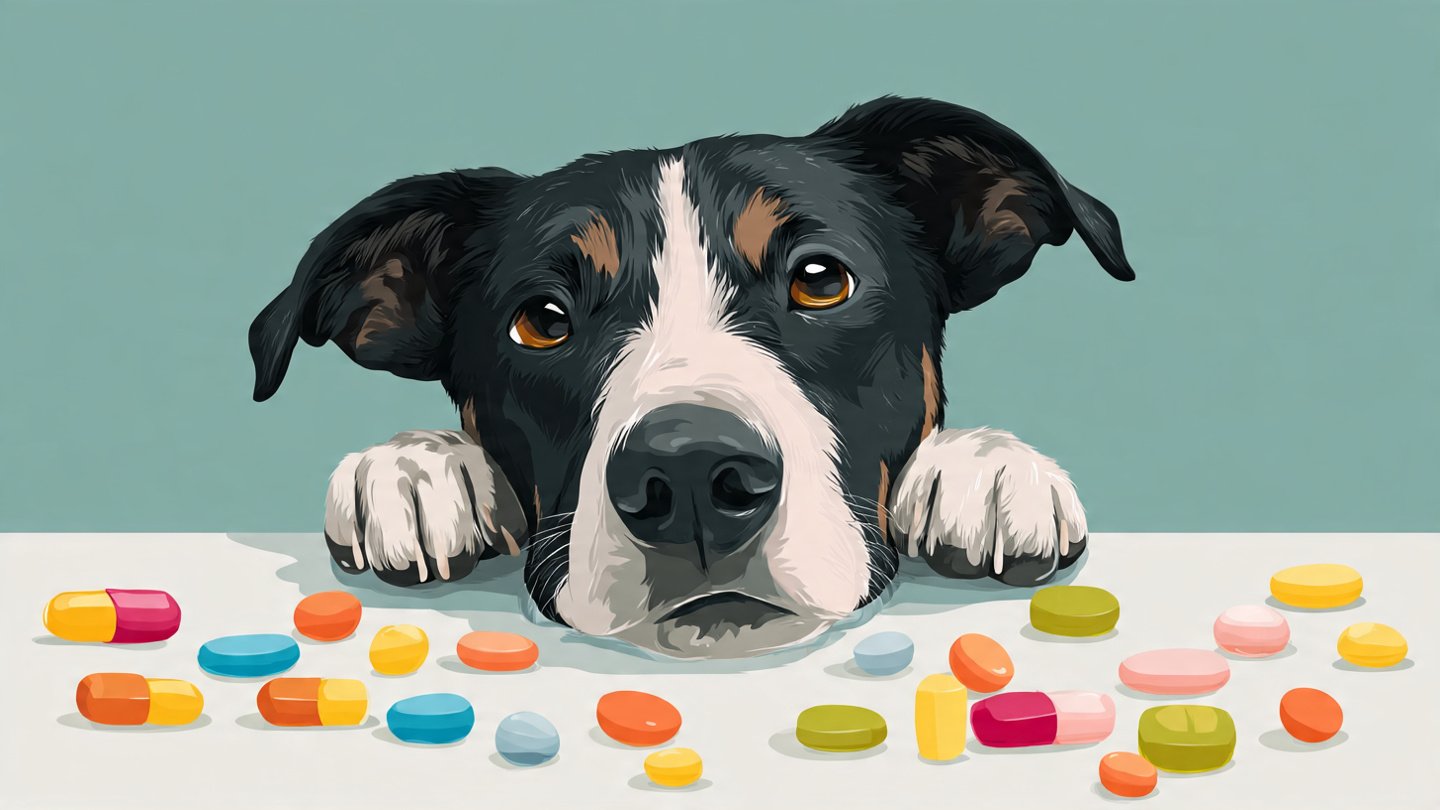
Dog Anxiety Medication: A Complete Guide to Safe and Effective Treatment
The Complete Guide to Dog Anxiety Medication: A Path to a Calmer, Happier Pet
Watching your dog suffer from relentless fear is a heartbreaking experience. The constant whining, destructive behavior, or trembling can make you feel helpless and disrupt your entire home. This is more than just bad behavior; these are often signs and symptoms of dog anxiety, a treatable medical condition. Finding the right solution is a journey, and for many, that path involves exploring dog anxiety medication.
This guide is intended to be your reliable resource. We will walk you through the entire process, from identifying the problem to creating a complete treatment plan. We’ll cover the full spectrum of options, from prescribed Anxiety Medication for dogs to natural calming remedies for dogs, and explain the crucial role of training. Our goal is to empower you with the knowledge you need for one of the most important conversations you’ll have with your vet, putting you on the path toward one of the many success stories of dogs who have found peace and confidence.
Understanding the Signs and Symptoms of Dog Anxiety
Before seeking treatment, it’s crucial to recognize what anxiety looks like in dogs. While symptoms vary, they often fall into specific categories:
- Generalized Nervousness: This can manifest as constant pacing, difficulty settling down, trembling, or hyper-awareness of surroundings.
- Separation Anxiety: A common and distressing issue where dogs panic when left alone. This often leads to destructive behavior (chewing furniture, scratching doors), excessive barking or howling, and having accidents in the house.
- Noise Phobias: An intense, fearful reaction to loud sounds like thunderstorms, fireworks, or even vacuum cleaners. Dogs may try to hide, escape, or become destructive during these events.
If you recognize these behaviors in your dog, the first and most important step is to schedule a veterinary appointment.
How to Talk to Your Vet About Dog Anxiety
A productive conversation with your veterinarian is the foundation of a successful treatment plan. Don’t be afraid to bring up your concerns. To prepare for your visit:
- Document Everything: Keep a log of your dog’s behaviors. When do they happen? What seems to trigger them? Record videos if possible.
- Be Specific: Instead of saying “the dog is anxious,” describe the actions: “He chews the doorframe and howls for an hour after I leave for work.”
- Ask Questions: Be prepared to ask about all treatment options. Key questions include:
- “Could a medical issue be causing this?”
- “What are our options for treatment, including both dog anxiety medication and training?”
- “What are the pros and cons of starting with dog anxiety medication versus trying other methods first?”
- This collaborative approach ensures you and your vet are partners in your dog’s mental health care.
Veterinarian-Prescribed Anxiety Meds for Dogs: Options and Effects
Veterinarian-prescribed anxiety meds for dogs are often recommended when a dog’s stress or fear becomes too severe to manage through training or natural remedies alone. These medications—such as Fluoxetine, Clomipramine, Trazodone, or fast-acting options like Alprazolam or Sileo—help stabilize a dog’s emotional responses so they can cope better with triggers like separation, loud noises, or unfamiliar environments. Each medication works differently, from reducing overall anxiety levels to providing quick relief during specific stressful situations. Because every dog reacts uniquely, a veterinarian will carefully choose the safest and most effective medication based on the dog’s symptoms, age, and overall health to ensure a balanced, long-term improvement in behavior and well-being.
When anxiety is moderate to severe, dog anxiety medication can be a life-changing tool. It works by helping to rebalance the brain’s chemistry, reducing panic and fear so that your dog can be calm enough to learn new, positive behaviors.
Common Dog Anxiety Medication Options
Choosing the right type of dog anxiety medication depends on the specific condition being treated.
- Daily Medications (for long-term anxiety): For conditions like generalized or separation anxiety, vets often prescribe medications that are given every day. These include SSRIs (like fluoxetine for dogs) and TCAs (like clomipramine). These are not “quick fixes” and can take 4-8 weeks to become fully effective.
- Situational Medications (for predictable events): For noise phobias or stress related to vet visits and travel, your vet may prescribe fast-acting drugs (like Trazodone or Sileo) to be given only when needed.
Potential Side Effects and Long-Term Effects of Anxiety Medication on Dogs
Every dog reacts differently, but common initial side effects of dog anti-anxiety medication can include mild sedation, changes in appetite, or gastrointestinal upset. These often subside after a few weeks. A more serious but rare condition is serotonin syndrome, so it’s vital to follow your vet’s dosage instructions precisely.
Regarding the long-term effects of dog anxiety medication, most modern medications are considered safe for extended use under veterinary supervision. Your vet will likely recommend periodic blood tests to monitor your dog’s health.
The Cost of Dog Anxiety Medication
The cost of dog anxiety medication can vary significantly based on the type of drug, your dog’s size, and whether you choose a brand-name or generic version. Pet insurance may cover some expenses for diagnosed anxiety conditions. Discussing the potential cost of dog anxiety medication with your vet upfront can help you plan financially.
Natural Alternatives to Dog Anxiety Medication and Complementary Therapies
Prescription dog anxiety medication is not the only option, and a holistic plan often yields the best results. These methods can be used alone for mild anxiety or in combination with prescription medication.
Over-the-Counter Calming Aids for Dogs
The market for over-the-counter calming aids for dogs has grown significantly. Popular options include:
- Nutritional Supplements: Products containing L-theanine, tryptophan, and calming herbs like chamomile can promote relaxation.
- Pheromone Products: Diffusers and collars (like Adaptil) release synthetic pheromones that mimic the calming scent of a mother dog.
- Anxiety Vests: Garments such as the ThunderShirt apply gentle, consistent pressure, which calms many dogs.
The Critical Role of Behavioral Training for Anxious Dogs
This is arguably the most important aspect of any treatment plan. Behavioral training for anxious dogs teaches them healthy ways to deal with their triggers. Dog anxiety medication can make a dog more receptive to training, but training alone provides a long-term solution. A certified professional dog trainer or veterinary behaviorist is best suited to guide techniques such as desensitization (gradual exposure to a trigger) and counter-conditioning (creating a positive association with the trigger).
By combining veterinary guidance, the right medication when necessary, and consistent behavioral work, you can help your dog overcome their fear and live the happy, confident life they deserve.
Frequently Asked Questions About Dog Anxiety Medication
Q1: How do I know if my dog’s behavior is just a phase or actual anxiety?
A: While occasional fear is normal, true anxiety is persistent and negatively impacts your dog’s quality of life. Look for patterns of behavior like constant pacing, destructive actions when you’re away (separation anxiety), or intense, inconsolable fear during predictable events like storms (noise phobia). If the behavior is consistent and distressing, it’s time to consult a veterinarian to rule out other medical issues and get an accurate diagnosis.
Q2: Will anxiety medication turn my dog into a “zombie”?
A: This is a common concern, but the goal of modern anxiety medication is not to sedate your dog, but to reduce their fear and panic so they can learn better coping mechanisms. While some dogs may experience mild sedation as an initial side effect, this often subsides. If your dog seems overly lethargic, it’s crucial to speak with your vet, as a dosage adjustment may be needed.
Q3: Can I just use over-the-counter calming aids instead of prescription medication?
A: For mild cases of anxiety, over-the-counter options like pheromone diffusers (Adaptil), anxiety vests (ThunderShirt), or nutritional supplements can be effective. However, for moderate to severe anxiety, they are often not potent enough on their own. They are best used as part of a comprehensive plan that may include prescription medication and is always guided by a veterinarian.
Q4: How long will my dog need to be on anxiety medication?
A: The duration of treatment varies greatly depending on the dog and the severity of the anxiety. Some dogs may only need situational medication for predictable triggers. For dogs on daily medication for generalized or separation anxiety, the treatment is often long-term. The goal is to use the medication in conjunction with behavioral training to build your dog’s confidence. Over time, and with your vet’s guidance, it may be possible to reduce or even wean your dog off the medication, but this is not always the case.
Q5: Is medication a substitute for training?
A: Absolutely not. Medication is a tool that makes training possible. Severe anxiety can put a dog in a state of panic where they are incapable of learning. Medication helps to lower this anxiety to a level where the dog can become receptive to dog behavior modification techniques like desensitization and counter-conditioning. Training provides the long-term solution for managing anxiety; medication opens the door to that training.
Conclusion:
Navigating the world of canine anxiety can feel overwhelming, but it’s a journey you don’t have to take alone. The decision to explore dog anxiety medication is a proactive step toward freeing your beloved pet from a state of constant fear and improving their overall well-being. By viewing medication not as a “quick fix” but as a vital component of a holistic treatment plan, you empower your dog to succeed.
The most effective approach combines a proper veterinary diagnosis, the right medication when necessary, and a consistent commitment to behavioral training and environmental support. This integrated strategy addresses the chemical imbalances in the brain while simultaneously teaching your dog the coping skills they need for a lifetime of confidence.
Building a strong partnership with your veterinarian and, if needed, a veterinary behaviorist, is the cornerstone of this process. Through open communication, careful monitoring, and patience, you can create a safe and supportive environment where your dog can finally relax and learn. The path to a calmer, happier pet is achievable, offering you and your canine companion the promise of a more peaceful and fulfilling life together.