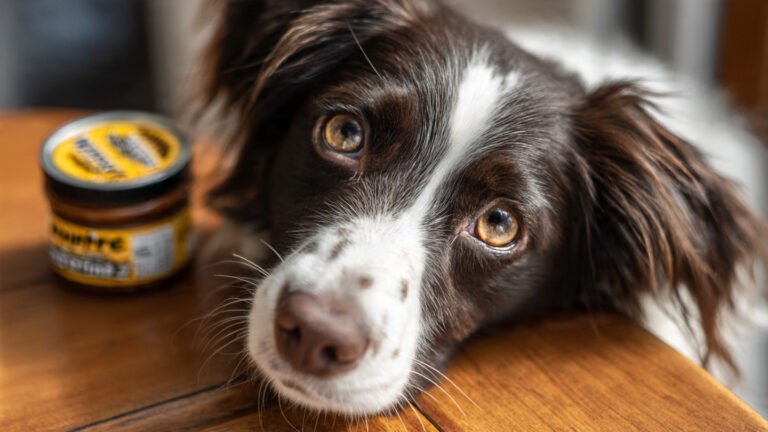
Can You Use Sudocrem on Dogs Safely and Effectively
If you are a dog owner in the UK, chances are you have grabbed that big white tub of Sudocrem at some point — usually after spotting a suspicious red patch on your furry companion. It is one of the most trusted antiseptic healing creams in British households, relied upon for babies and adults alike for decades.
But here is the question that sends many pet owners to Google at 10 pm when the vet surgery is closed: Can you use Sudocrem on dogs?
Before you reach for that tub, it is worth understanding exactly what this cream contains, how it behaves on canine skin, and what the real risks are. Knowing whether you can use Sudocrem on dogs safely could save your pet from unnecessary discomfort — or even an out-of-hours vet visit. So let us break it all down clearly, honestly, and in plain English.
What Is Sudocrem and What Does It Contain?
Sudocrem is an antiseptic healing cream that was originally developed for nappy rash in babies. In the UK, it has been a medicine cabinet staple since the 1930s. Many pet owners naturally wonder whether a product so gentle on baby skin could work just as well for their dogs, and that is exactly why it is often considered a dog nappy rash cream safe alternative for pets.
Its main active ingredients are:
- Zinc oxide (15.25%) — acts as a mild antiseptic and skin protectant
- Anhydrous hypoallergenic lanolin (4%) — a moisturiser that soothes and softens the skin
- Benzyl alcohol (0.39%) — a local anaesthetic that reduces pain and itching
- Benzyl benzoate (1.01%) and benzyl cinnamate (0.15%) — antiseptic components
These ingredients are well-proven on human skin. However, when it comes to dogs, the safety profile shifts depending on the quantity ingested, where it is applied, and how long it stays on. Understanding what is inside the tub is the very first step to using it responsibly around your pet.
Can You Use Sudocrem on Dogs — Is It Actually Safe?
So, can you use Sudocrem on dogs without worrying? According to UK vets and trusted pet health organisations, Sudocrem is generally considered safe for topical use on dogs in small amounts, provided the dog does not ingest large quantities.
The key concern when asking if Sudocrem is sudocrem safe for dogs is the ingredient zinc oxide. Zinc oxide toxicity in dogs is a genuine veterinary concern — zinc, when consumed in significant amounts, can cause vomiting, diarrhoea, lethargy, and in serious cases, a type of anaemia that damages red blood cells. However, the risk from a topical application is very different from the risk of eating the cream directly.
A thin layer applied to the skin and properly supervised poses a low risk. The real danger is dogs licking it off repeatedly or consuming large amounts from an unattended tub. Understanding zinc oxide toxicity in dogs helps you use this product far more confidently and responsibly.
The bottom line: Sudocrem is not toxic enough to cause harm through careful topical contact, but it was not formulated with dogs in mind. Use it sparingly, apply a thin layer only, and always keep a close eye on your pet afterwards.
Can You Use Sudocrem on Dogs for These Conditions?
There are several situations where a carefully applied layer may genuinely help. Here is a clear rundown of when it can be useful and what each condition looks like.
Sudocrem for Dog Rashes
One of the most common reasons owners reach for the cream is mild skin irritation. Using Sudocrem for dog rashes caused by environmental allergens, grass contact, or light friction can provide short-term relief. Its anti-inflammatory and barrier-forming properties help reduce redness and prevent the skin from being further aggravated.
If your dog is scratching repeatedly at a pink or red patch of skin, a thin application may calm things down while you arrange a vet appointment for a proper diagnosis.
Sudocrem on Dog Wounds
For superficial cuts, grazes, and abrasions — the kind picked up during a lively session in the park — using Sudocrem on dog wounds acts as a mild antiseptic barrier. It helps keep bacteria out and forms a protective layer over the surface while the skin begins to heal.
It is crucial to emphasise, though, that Sudocrem is only appropriate for minor, surface-level wounds. Deep cuts, puncture wounds, or anything bleeding significantly must be assessed by a vet without delay.
Sudocrem Dog Paws
Cold UK winters, hot summer pavements, and rough countryside terrain can leave paw pads dry, cracked, and uncomfortable. The use of Sudocrem dog paws as a moisturising treatment is popular among UK dog owners — and understandably so. A small amount massaged into the pads after a walk can protect and soothe cracked skin effectively.
The practical tip here: apply it indoors after the walk, then pop a dog sock or light bandage over the paw briefly while it absorbs. This stops your dog from licking it off the moment they trot across the kitchen floor.
Sudocrem Dog Itching
Sudocrem dog itching relief is another well-known use. If your dog is scratching at a localised spot due to a minor insect bite, a mild allergic reaction, or dry skin, the zinc oxide in Sudocrem creates a cool, soothing barrier that can reduce the itch response. This gives the skin a chance to recover rather than being continuously aggravated by scratching.
Sudocrem Dog Hotspot
A Sudocrem dog hotspot treatment in the very early stages can sometimes reduce surface inflammation. Hotspots — those red, moist, circular patches of inflamed skin — develop quickly and can worsen within hours. While Sudocrem may calm the very surface initially, hotspots almost always have an underlying trigger such as allergies, fleas, or stress.
If a hotspot does not begin improving within 24 hours, a vet appointment is essential. Persistent hotspots may require antibiotics or prescription topical treatments to fully resolve.
Dog Skin Irritation Home Remedy
When a minor skin issue crops up outside of vet hours, many UK owners look for a reliable dog skin irritation home remedy. Sudocrem is one of the most common first choices — and for very minor, superficial irritation, it is a reasonable one. Just treat it as a temporary measure and not a long-term solution. Any irritation that persists beyond 48 hours or spreads warrants a proper veterinary assessment.
When You Should NOT Use Sudocrem on Dogs
Knowing when not to reach for the cream is just as important as knowing when it helps.
Do not apply Sudocrem to:
- Deep wounds or puncture injuries — these need veterinary treatment, not a home cream
- Infected or weepy skin — if there is discharge, an odour, or your dog seems in significant pain
- Areas your dog can easily reach and lick, especially without close supervision
- Around the eyes or inside the ears — never apply near these sensitive areas under any circumstances
- Extensively burnt, raw, or severely broken skin — this always requires professional care
If your dog’s condition worsens, does not improve within 48 hours, or you feel at all uncertain, always contact your vet rather than continuing to self-treat.
Can Dogs Lick Sudocrem — What Actually Happens?
This is the moment most owners panic about. You apply the cream, turn your back for twenty seconds, and your dog has already licked it clean. So, can dogs lick Sudocrem without any serious consequences?
A single, small lick is unlikely to cause significant harm. The amount of zinc oxide in a minimal accidental lick is generally not enough to trigger clinical zinc oxide toxicity in dogs. However, if your dog has consumed a large amount — for example, by chewing into an unsecured tub — the situation requires immediate attention.
Watch for these symptoms after your dog has been in contact with Sudocrem:
- Vomiting or retching
- Diarrhoea
- Lethargy or unusual sleepiness
- Loss of appetite
- Pale or yellowish gums
If you notice any of these signs, or if you are uncertain how much your dog has ingested, contact your vet straightaway. For urgent cases, the Animal Poison Line (UK): 01202 509 000 is available and staffed by veterinary toxicology specialists.
Prevention is always the smarter approach — keep the tub stored safely away and use a dog cone after every application.
How to Apply Sudocrem on Your Dog Safely
Step 1 — Clean the area first. Gently wash the affected skin with warm water and a clean cloth. Pat it dry carefully. Never apply Sudocrem over dirty or contaminated skin, as this can trap bacteria underneath.
Step 2 — Apply a thin layer only. Use a clean fingertip or cotton pad. A pea-sized amount is usually more than sufficient for a small area. Less is genuinely more effective here.
Step 3 — Rub it in gently. Work the cream into the skin with light circular motions until it is absorbed and sits as an even, thin layer. Avoid applying a thick white coating.
Step 4 — Prevent licking immediately. Use a dog cone, a body suit, or a pet bandage to block access to the area. For Sudocrem dog paws, dog socks work brilliantly as a short-term barrier.
Step 5 — Monitor closely. Check the area after 2–3 hours. If the skin looks more inflamed or your dog seems uncomfortable, wipe the cream away gently with a damp cloth and call your vet.
Step 6 — Keep usage short-term. Sudocrem is for occasional, brief relief — not a daily routine. Recurring or persistent skin issues always need a proper veterinary diagnosis and treatment plan.
Can You Use Sudocrem on Dogs — What UK Vets Say
Can you use Sudocrem on dogs according to the professionals? UK vets generally acknowledge that Sudocrem can serve as a reasonable short-term home remedy for very minor skin concerns. Trusted UK organisations, including the Blue Cross, PDSA, and Vets Now, confirm that small amounts pose minimal risk, while consistently stressing that it should never replace professional veterinary assessment for anything beyond superficial issues.
The collective view on is sudocrem safe for dogs is clear: occasional topical use with proper supervision is acceptable. The ingestion risk from zinc oxide toxicity in dogs is real but manageable with simple precautions. If you use it carefully and keep your dog from licking, the risk is low.
The moment you are unsure whether the condition qualifies as minor, or if home treatment is not producing improvement, that is the moment to call your vet rather than reaching for the Sudocrem again.
Safer Alternatives to Sudocrem for Dogs
If you are cautious about using Sudocrem or your dog is a determined licker who treats every cone as a personal challenge, there are excellent dog-specific alternatives readily available in the UK.
Veterinary-formulated skin creams from brands like Vetericyn, Animology, and Johnson’s Veterinary are designed specifically for canine skin and available in most UK pet shops. They carry a far lower risk profile because they are not formulated with zinc oxide in concentrations that concern vets.
Coconut oil works well as a mild moisturiser and soothing agent for dry paw pads and minor irritation, with a much safer ingestion profile if your dog licks a small amount.
Pet-safe aloe vera gel can cool and soothe inflamed skin effectively. Always ensure it is 100% pure and free from alcohol, fragrances, or added ingredients — the kind sold through vet surgeries or reputable health food retailers.
As a dog skin irritation home remedy, all of these sit alongside Sudocrem as reasonable options. Your vet can always recommend the most appropriate product for your dog’s specific skin type and condition.
Can You Use Sudocrem on Dogs — Final Thoughts
To bring everything together: can you use Sudocrem on dogs? Yes — in the right circumstances, with the right precautions, and for the right conditions. For minor surface-level issues, including Sudocrem for dog rashes, dry and cracked Sudocrem dog paws, mild Sudocrem dog itching, early-stage Sudocrem dog hotspot, and small Sudocrem on dog wounds, it offers a practical and accessible short-term solution that many UK dog owners trust.
The rules that matter most are straightforward. Always use the smallest amount possible. Prevent licking at all costs — this is not optional. Keep zinc oxide toxicity in dogs in mind and be ready to act if your dog ingests a significant quantity. And always treat Sudocrem as a temporary measure, never a substitute for a proper vet visit when one is genuinely needed.
As with all things in pet care, your best guide is a combination of common sense, close observation, and a good relationship with your local vet. When in doubt, always ask — and your dog will thank you for it in tail wags.