Can Dogs Eat Shrimp Crackers? UK Pet Owners Guide
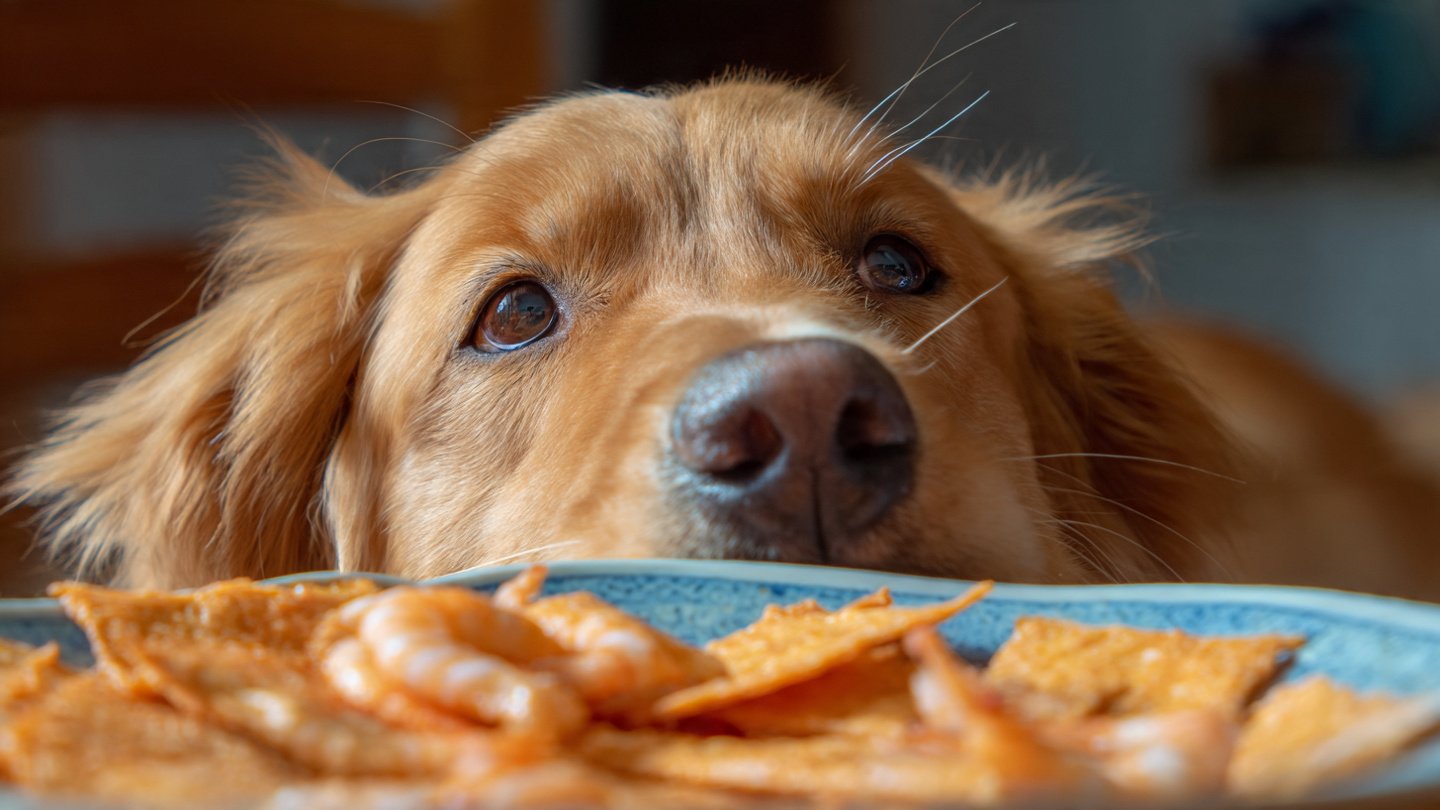
You’re settling down for a cosy Friday night with your favourite Chinese takeaway, and there they are—those irresistibly crispy shrimp crackers. Your furry mate is giving you those pleading puppy eyes, and you’re wondering: Is it safe to share?
If you’ve ever asked yourself, “Can dogs eat shrimp crackers?”, you’re not alone. Thousands of UK dog owners face this question every day, especially when tucking into their favourite Asian cuisine. Today, we’re diving into everything you need to know about these popular snacks and whether they belong anywhere near your dog’s bowl.
Although many pet owners ask can dogs eat prawn crackers or can dogs eat shrimp crackers, the answer is generally no, as these snacks are deep-fried, high in salt, and often contain artificial additives that can upset a dog’s stomach and offer no real nutritional value. Even if a dog eats a small piece by accident, it is usually not dangerous, but feeding prawn crackers or shrimp crackers regularly can increase the risk of digestive problems, dehydration, and poor overall health, so safer dog-approved treats are always the better choice.
What Actually Goes Into Shrimp Crackers
Before we answer the burning question, let’s understand what these puffy treats really contain.
Shrimp crackers (or prawn crackers as we often call them here in the UK) are made primarily from tapioca starch mixed with dried shrimp or prawn powder. The mixture gets rolled flat, dried, then deep-fried until they puff up into those light, crispy morsels we know so well from our local Chinese.
They’re a staple with takeaways across Britain, from corner shops in Manchester to restaurants in London. But what makes them delicious for us doesn’t necessarily make them safe for our four-legged friends.
The Straight Answer About Shrimp Crackers
The short answer is no—dogs should not eat shrimp crackers. Whilst they’re not typically toxic in tiny amounts, these snacks pose several health risks that make them unsuitable for canine consumption.
If your dog manages to pinch a single fallen cracker, there’s usually no need to panic. However, shrimp crackers should never become a regular treat or intentional part of your dog’s diet. The reasons go well beyond simple nutrition.
Why These Crackers Aren’t Dog-Friendly
Dangerously High Salt Content
This stands as the biggest concern. Shrimp crackers contain alarmingly high sodium levels designed for human taste buds, not sensitive canine systems.
According to veterinary guidelines, dogs need only about 0.25 to 1.5 grams of sodium daily, depending on their size. Just a handful of these crackers can exceed a small dog’s entire daily sodium allowance.
Excessive salt intake leads to serious complications:
Immediate effects include intense thirst, increased urination, and dehydration. Your dog may seem restless or uncomfortable.
Severe cases can trigger sodium ion poisoning, with symptoms like vomiting, diarrhoea, tremors, seizures, and, in extreme situations, life-threatening conditions requiring immediate veterinary care.
Long-term exposure places unnecessary strain on your dog’s kidneys and can contribute to chronic health problems down the line.
Deep-Fried and Loaded with Fat
The signature crunch comes from deep-frying in oil, making these crackers extremely high in unhealthy fats.
Dogs process dietary fats differently from humans. Their digestive systems aren’t designed to handle rich, oily foods efficiently. Regular exposure to fatty snacks significantly increases the risk of pancreatitis—a painful inflammation of the pancreas that can become life-threatening.
Certain breeds show particular vulnerability:
- Miniature Schnauzers
- Yorkshire Terriers
- Cocker Spaniels
- Poodles
- Dachshunds
Even a single greasy snack can trigger an episode in susceptible dogs. Pancreatitis symptoms include loss of appetite, vomiting, severe tummy pain, lethargy, and diarrhoea.
Harmful Additives and Seasonings
Many commercial brands contain ingredients ranging from unhealthy to genuinely toxic for dogs.
MSG (Monosodium Glutamate) frequently appears as a flavour enhancer. Whilst generally considered safe for humans, it can cause digestive upset and allergic reactions in sensitive dogs.
Garlic and onion powder present serious threats. Even trace amounts damage red blood cells over time, potentially leading to anaemia. These ingredients appear in wide commercial varieties.
Artificial colours and preservatives offer zero nutritional value and may trigger allergic reactions or digestive problems.
Artificial prawn flavouring in budget brands can contain chemicals unsuitable for canine consumption.
Zero Nutritional Benefits
Whilst real, properly prepared prawns provide protein and omega-3 fatty acids beneficial for dogs, shrimp crackers deliver none of these advantages.
These crackers are essentially empty calories—pure carbohydrates providing no vitamins, minerals, or nutrients your dog needs. They contribute to unhealthy weight gain without offering any health benefits in return.
Potential Choking Hazard
The light, airy texture might seem harmless, but it actually creates a choking risk, particularly for smaller breeds or dogs who gulp food without proper chewing.
Pieces can lodge in a dog’s throat or break into sharp fragments that irritate the digestive tract. Some dogs may also struggle with the dry, powdery texture, leading to coughing fits.
What to Do If Your Dog Eats Shrimp Crackers
Accidents happen in every household. If your dog manages to sneak one or two shrimp crackers, most healthy dogs will likely be fine.
However, close monitoring for the next 24 to 48 hours remains essential. Watch for these warning signs:
Mild Symptoms
- Increased thirst and water consumption
- Mild tummy upset or discomfort
- Slightly loose stools
- Gas or bloating
These typically resolve on their own within 12 to 24 hours.
Concerning Symptoms
- Persistent vomiting or diarrhoea
- Excessive drooling
- Lethargy or unusual weakness
- Loss of appetite
- Tummy pain (hunched posture, reluctance to move)
- Unusual tremors or behaviour changes
Contact your vet if you notice these symptoms.
Emergency Symptoms
- Severe, continuous vomiting or bloody diarrhoea
- Difficulty breathing
- Seizures or convulsions
- Collapse or inability to stand
- Extreme lethargy
These require immediate veterinary attention.
If your dog has consumed a large quantity—such as an entire bag—contact your veterinarian immediately, even if they seem perfectly normal. High sodium content can cause delayed symptoms.
Can Dogs Eat Plain Prawns Instead
Here’s brilliant news: whilst shrimp crackers are off-limits, properly prepared plain prawns are actually safe and nutritious for dogs.
Benefits of Real Prawns
Plain prawns offer excellent nutritional value:
- High-quality protein supporting muscle development
- Low in calories and fat compared to many proteins
- Rich in omega-3 fatty acids, promoting healthy skin and coat
- Contains vitamin B12, phosphorus, and selenium
- Supports cardiovascular health and joint function
How to Safely Serve Prawns
Follow these preparation guidelines:
Cook thoroughly: Never serve raw prawns. Raw seafood may contain harmful bacteria or parasites. Boil, steam, or grill without any seasonings.
Remove shells and tails: These parts present choking hazards and are difficult to digest. Shells can cause intestinal blockage.
Remove the vein: The dark digestive tract running along the back should be completely removed.
Serve completely plain: No butter, garlic, salt, lemon, or any seasonings whatsoever.
Appropriate portions: Treats should comprise no more than 10% of your dog’s daily caloric intake. Small dogs need only one small prawn once or twice weekly. Medium dogs can have one to two prawns, whilst larger dogs can enjoy two to three.
Monitor for allergies: Some dogs develop shellfish allergies. Start with a tiny amount and watch carefully for reactions like itching, facial swelling, or digestive upset.
Healthier Alternatives Your Dog Will Love
Creating a safe home means making thoughtful choices for every family member, including your pets. Here are safer alternatives:
Fish-Based Treats
Air-dried fish skins provide a crunchy texture without unhealthy oils and excessive salt. Many UK pet shops stock these now.
Freeze-dried prawns offer all the benefits of real prawns in a convenient, shelf-stable form.
Commercial fish dog treats specifically formulated for dogs contain minimal ingredients and an appropriate nutritional balance.
Homemade Options
Cooked white fish like cod, haddock, or pollock can be steamed or baked plain and cut into small pieces. These are readily available at most UK fishmongers.
DIY dog biscuits allow complete control over ingredients. Try recipes using sweet potato and whole wheat flour.
Crunchy Vegetable Alternatives
Carrot sticks are low-calorie, vitamin-rich, and excellent for dental health. Most dogs love the sweet taste and satisfying crunch.
Apple slices make a refreshing treat when the seeds and core are removed. Feed in moderation due to natural sugar content.
Green beans can be served plain, lightly steamed, or raw. They’re wonderfully filling for dogs needing weight management.
Cucumber slices provide hydration and a refreshing crunch, perfect for warm summer days.
Premium UK Dog Treats
When shopping for commercial treats, prioritise:
- Real fish or prawns as the first ingredient
- No artificial colours, flavours, or preservatives
- Low sodium content (under 50mg per treat)
- Added omega-3 fatty acids
- British-made products from reputable brands
Special Considerations for Puppies
Puppies should never receive shrimp crackers—not even as a one-time experiment.
Young dogs have developing digestive systems far more sensitive to salt, fat, and additives than adult dogs. Even a small amount could trigger severe diarrhoea, vomiting, or more serious reactions.
Stick exclusively to puppy-specific foods and treats formulated for their unique nutritional needs. Always consult your veterinarian before introducing any new foods to your puppy’s diet.
Creating a Dog-Safe Home Environment
Establishing safe habits benefits both you and your pet:
Smart Storage Solutions
Store human snacks in sealed containers or cupboards that your dog cannot access. This prevents opportunistic snacking when you’re not watching.
Designated Eating Areas
Train your dog to stay in their bed or designated area during family mealtimes. This reduces begging and prevents accidental food-sharing.
Family Education
Ensure everyone in your household—including children and visitors—understands which foods are off-limits. Create a simple list posted on your fridge as a reminder.
Healthy Alternatives Always Available
Keep dog-safe treats readily accessible so you’re never tempted to share inappropriate human foods.
Portion Control Practices
Even with healthy treats, moderation matters. Obesity has become a growing problem amongst UK dogs, leading to numerous health complications, including diabetes, joint problems, and reduced life expectancy.
Regular Veterinary Checkups
Annual wellness examinations help catch diet-related issues early. Your vet can provide personalised guidance based on your dog’s specific breed, age, weight, and health status.
Understanding Your Dog’s Nutritional Needs
Dogs are omnivores with specific requirements differing significantly from those of humans. Their optimal diet consists of:
Protein: 18 to 25% for adult dogs, higher percentages for puppies and active breeds
Fats: 10 to 15% for adults, focusing on healthy fat sources
Carbohydrates: Limited amounts, primarily from whole grains and vegetables rather than processed starches
Vitamins and minerals: Balanced through complete dog food formulations
Human snacks like shrimp crackers don’t fit this nutritional framework. They’re high in the wrong types of fats and carbohydrates, whilst lacking essential protein and nutrients.
Recognising Food Sensitivities
Some dogs prove more sensitive to certain ingredients than others. Watch for these signs:
- Chronic ear infections
- Excessive scratching or licking
- Red, inflamed skin
- Persistent digestive issues
- Hot spots or recurring skin rashes
- Chronic paw licking
If your dog exhibits any of these symptoms, consult your veterinarian about potential food allergies or sensitivities.
Reading Labels Like a Pro
Whether buying commercial dog treats or considering sharing human food, always read ingredient labels carefully.
Red Flags to Avoid
- Garlic or onion in any form
- Excessive sodium (more than 50mg per treat)
- Artificial preservatives (BHA, BHT, ethoxyquin)
- Artificial colours (Red 40, Yellow 5, Blue 2)
- Meat by-products as the first ingredient
- Sugar or high-fructose corn syrup
Positive Ingredients to Seek
- Named protein sources (chicken, salmon, beef, lamb)
- Whole grains if not following a grain-free diet
- Recognisable vegetables and fruits
- Natural preservatives (vitamin E, rosemary extract)
- Added omega-3 fatty acids
- Probiotics for digestive health
Training Treats That Work
For training sessions, shrimp crackers definitely aren’t the answer. Effective training techniques should be:
Small: Easy to consume quickly without breaking focus
Low-calorie: You’ll use many during training sessions
High-value: Something your dog genuinely loves
Healthy: Won’t interfere with their regular nutrition
Excellent Options
- Small pieces of cooked chicken breast (plain)
- Freeze-dried liver (available at most UK pet shops)
- Commercial training treats
- Tiny pieces of cheese (in strict moderation)
- Small bits of plain cooked prawns
When Professional Advice Is Essential
Always reach out to your veterinarian if:
- Your dog has consumed a large quantity of an inappropriate food
- Do you notice any concerning symptoms after consumption
- Your dog has pre-existing health conditions
- You’re uncertain about introducing any new food
- Your dog shows signs of allergic reactions
Your vet provides personalised advice based on your dog’s specific health status, breed characteristics, age, activity level, and dietary requirements.
Building Lasting Healthy Habits
The foundation of responsible pet ownership includes making informed choices for your furry family member.
Consistency Is Key
Establish clear rules about human food and stick to them. Inconsistency confuses dogs and makes training more difficult.
Positive Reinforcement
Reward your dog for good behaviour with appropriate treats rather than sharing whatever you’re eating.
Mindful Treat Selection
Choose treats that align with proper canine nutrition—natural ingredients, appropriate nutrition, sustainably sourced when possible.
Quality Over Quantity
A few high-quality, nutritious treats prove far better than constant snacking on empty calories.
Education and Awareness
Stay informed about canine nutrition. Research continues to evolve, and what we know about optimal dog diets improves constantly.
The Bottom Line for UK Dog Owners
So, returning to our original question: can dogs eat shrimp crackers? The answer remains a firm no. Whilst shrimp crackers might be a delightful human snack from your local Chinese takeaway, they simply don’t belong in your dog’s diet.
The high sodium content, unhealthy fats, artificial additives, and zero nutritional value make them a poor choice for any dog. If your dog accidentally consumes one or two shrimp crackers, they’ll probably be fine with careful monitoring. However, these snacks should never be given intentionally.
Instead, choose healthier alternatives like properly prepared plain prawns, air-dried fish skins, quality vegetables, or specially formulated dog treats. Your furry friend deserves treats that are both delicious and nutritious, supporting their health rather than compromising it.
Remember, your dog depends entirely on you to make wise decisions about their diet and care. By keeping shrimp crackers and other inappropriate human snacks out of reach, you’re taking an important step toward ensuring your beloved companion enjoys a vibrant, healthy life.
Share Your Experience
Have you caught your dog trying to pinch food from your takeaway? What are your go-to healthy treats for your furry mate? Share your experiences in the comments below and help other UK pet owners make informed decisions about their dogs’ diets!
Want more expert pet nutrition advice? Subscribe to our newsletter for regular tips, or browse our comprehensive library of dog-safe food guides specifically for UK pet owners.
Disclaimer: This article provides general information for educational purposes and should not replace professional veterinary advice. Always consult with a qualified veterinarian regarding your dog’s specific dietary needs and health concerns.