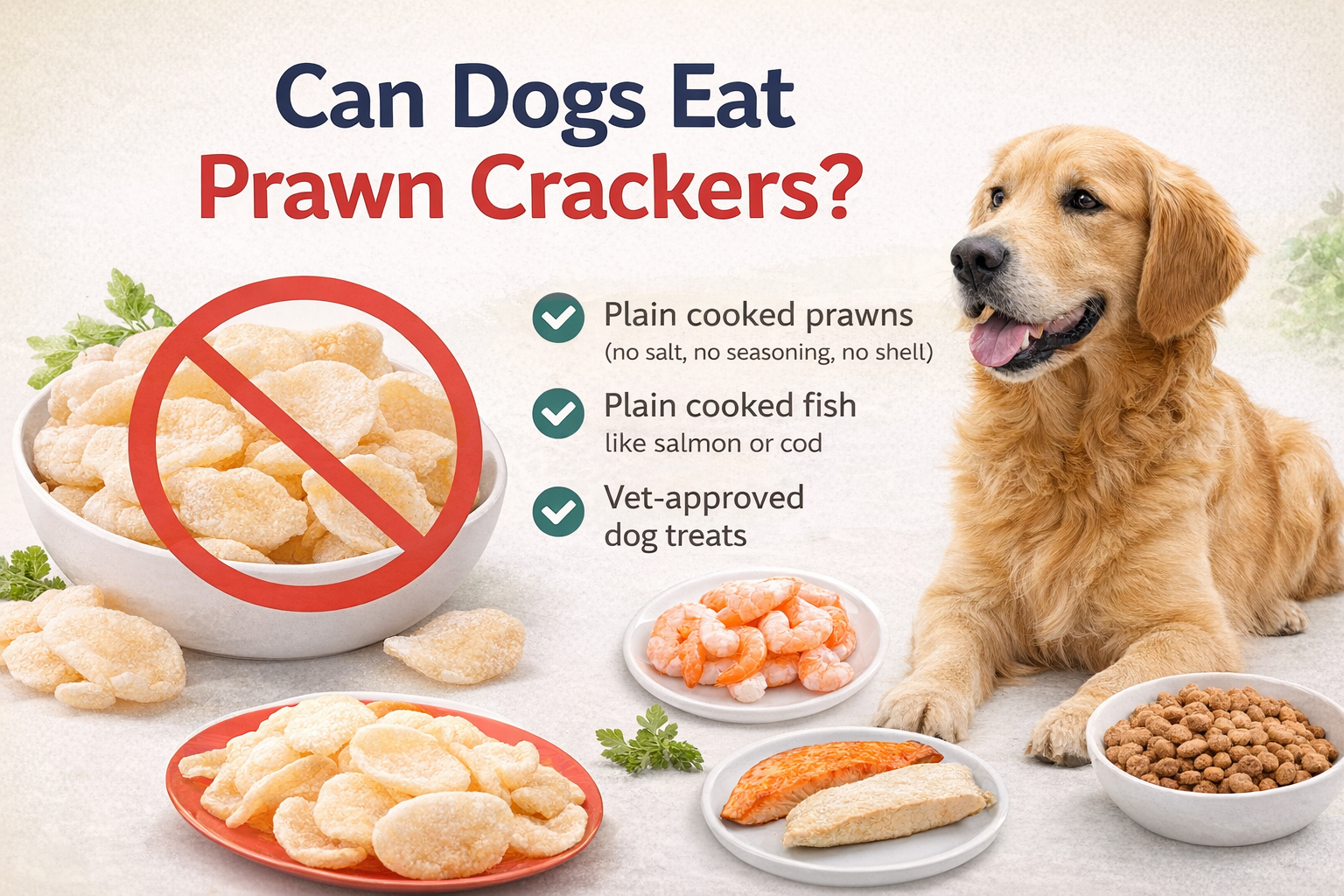
Can Dogs Eat Prawn Crackers? A Complete Safety Guide (2026 Update)
If you’re enjoying a Chinese takeaway or munching on prawn crackers as a snack, you might wonder whether your four-legged friend can join in the fun. Can dogs eat prawn crackers safely? The straightforward answer is no, whilst prawn crackers aren’t immediately toxic to dogs, they contain several ingredients that pose significant health risks to your canine companion.
This comprehensive guide explores everything you need to know about dogs and prawn crackers, including the health dangers, what to do if your dog accidentally eats them, and much safer alternatives to keep your pup happy and healthy.
Dogs should not eat prawn crackers or shrimp crackers because these snacks are highly processed, fried, and contain excess salt, artificial flavourings, and seasonings that can be harmful to a dog’s digestive system. While a very small accidental bite may not cause serious harm, regular or larger amounts can lead to stomach upset, dehydration, or longer-term health issues. For better safety, it’s always best to avoid giving dogs human snacks like prawn crackers and shrimp crackers and choose plain, dog-friendly treats instead.
What Exactly Are Prawn Crackers Made From?
Understanding the ingredients in prawn crackers helps explain why they’re unsuitable for dogs. These crispy Asian snacks typically consist of tapioca flour (derived from cassava root), prawn or shrimp flavouring, salt, water, and various seasonings. Some varieties include MSG (monosodium glutamate), garlic powder, onion powder, and artificial colours.
The manufacturing process involves mixing these ingredients into a paste, steaming the mixture, slicing it into chips, allowing them to dry, and finally deep-frying until they puff up into those familiar light, airy crackers. This deep-frying process loads them with unhealthy fats and makes them extremely high in calories.
Why Can’t Dogs Eat Prawn Crackers? The Health Risks Explained
Dangerously High Sodium Content
The primary concern when asking “Can dogs eat prawn crackers?” centres on their excessive salt levels. Veterinary nutritionists recommend that dogs need only approximately 100 mg of sodium per day for every 100 calories consumed. A single 30-gram serving of prawn crackers can contain between 200 and 500 mg of sodium, far exceeding safe limits for most dogs.
Excessive salt intake leads to sodium ion poisoning in dogs. Clinical symptoms include vomiting, diarrhoea, excessive thirst, increased urination, lethargy, tremors, seizures, and, in severe cases, death. Chronic high sodium consumption also contributes to elevated blood pressure, kidney damage, and heart disease in dogs.
Excessive Fat Content and Pancreatitis Risk
Prawn crackers are deep-fried in oil, making them dangerously high in fat. Each 30-gram serving typically contains 10 grams of fat. Whilst dogs require some dietary fat, the type and quantity found in prawn crackers is harmful.
A diet high in fatty foods triggers pancreatitis in dogs, a painful and potentially life-threatening condition where the pancreas becomes inflamed. According to veterinary research, pancreatitis symptoms include loss of appetite, severe abdominal pain, vomiting, diarrhoea, fever, weakness, and lethargy. Small breeds like Miniature Schnauzers, Cocker Spaniels, and Yorkshire Terriers are particularly vulnerable to pancreatitis.
Toxic Garlic and Onion Ingredients
Many prawn cracker recipes include garlic powder or onion powder for enhanced flavour. Both garlic and onions belong to the Allium family and are highly toxic to dogs, even in powder form. These ingredients damage red blood cells, leading to haemolytic anaemia.
The Pet Poison Helpline confirms that even small amounts consumed regularly cause cumulative damage. Symptoms of Allium toxicity include weakness, pale gums, rapid breathing, lethargy, collapse, and dark-coloured urine. Worryingly, these symptoms might not appear immediately—sometimes taking several days to manifest, making diagnosis challenging.
MSG and Artificial Additives Concerns
Monosodium glutamate (MSG) frequently appears in prawn crackers to boost flavour. Research on MSG toxicity in dogs remains limited, but veterinary observations suggest adverse reactions in sensitive pets, including restlessness, excessive thirst, vomiting, and digestive upset.
Artificial colours, preservatives, and flavour enhancers create additional concerns. Some dogs develop allergic reactions or sensitivities to these chemical additives, resulting in skin problems, digestive issues, itching, or behavioural changes.
Empty Calories Leading to Obesity
Prawn crackers offer absolutely zero nutritional value for dogs. They’re essentially empty calories contributing to weight gain without providing vitamins, minerals, or essential nutrients. The Association for Pet Obesity Prevention reports that over 50% of dogs in developed countries are overweight or obese.
Canine obesity leads to numerous serious health problems, including type 2 diabetes, arthritis and joint problems, heart disease, respiratory difficulties, reduced lifespan, and decreased quality of life.
What Happens If Dogs Eat Prawn Crackers Accidentally?
If your dog sneaks a few prawn crackers, remain calm but vigilant. The severity of the reaction depends on several critical factors:
Amount Consumed: One or two crackers likely won’t cause serious harm to a medium or large dog, though small breeds face a greater risk from minimal amounts.
Dog’s Size and Weight: A 30-kilogram Labrador tolerates accidental consumption better than a 2-kilogram Chihuahua.
Existing Health Conditions: Dogs with kidney disease, heart problems, previous pancreatitis, or food sensitivities face significantly higher risks.
Frequency: A one-time accident differs dramatically from regular feeding.
Immediate Symptoms to Monitor
After your dog eats prawn crackers, watch carefully for these warning signs over the next 24-48 hours:
- Excessive thirst and frequent urination
- Vomiting or diarrhoea
- Lethargy or unusual tiredness
- Loss of appetite or refusing food
- Abdominal pain (hunched posture, whining, reluctance to move)
- Bloating, gas, or stomach distension
- Restlessness, pacing, or apparent discomfort
- Tremors or shaking
When to Contact Your Veterinarian Urgently
Ring your vet immediately if you observe:
- Severe vomiting or persistent diarrhoea
- Blood in vomit or stool
- Seizures, tremors, or muscle spasms
- Extreme lethargy, weakness, or collapse
- Difficulty breathing or laboured respiration
- Pale, yellow, or blue-tinged gums
- Signs of severe abdominal pain or distension
Your veterinarian might recommend bringing your dog in for examination, inducing vomiting if consumption was recent and significant, or administering intravenous fluids to flush sodium from the system.
Can Dogs Eat Prawn Crackers in Moderation?
Some sources suggest dogs can eat prawn crackers “in moderation,” but this advice proves misleading. The 10% rule states that treats should comprise no more than 10% of your dog’s daily caloric intake. However, given the high salt, fat, and zero nutritional value, even this small amount is inadvisable.
Better alternatives exist that provide nutritional benefits without health risks. Why compromise your dog’s wellbeing when superior options are readily available?
Healthy Alternatives to Prawn Crackers for Dogs
Commercial Dog Treats
Choose high-quality dog treats formulated specifically for canine nutrition. Look for products with:
- Limited, recognisable ingredients
- No artificial colours, flavours, or preservatives
- Appropriate protein sources (chicken, fish, lamb)
- Low sodium content
- Size-appropriate portions for your breed
Homemade Dog-Friendly Snacks
Creating your own dog treats ensures complete control over ingredients:
Sweet Potato Crisps: Slice sweet potatoes thinly, arrange on a baking sheet, and bake at 120°C for 3 hours until crispy. No oil or seasoning required. Sweet potatoes provide fibre, vitamins A and C, and beta-carotene.
Carrot Sticks: Fresh, crunchy carrots make excellent low-calorie treats (approximately 41 calories per 100g) that also help clean teeth naturally.
Apple Slices: Remove seeds and core completely, then offer thin apple slices. The natural sweetness appeals to many dogs whilst providing fibre and vitamin C.
Frozen Green Beans: Plain frozen green beans provide satisfying crunch with minimal calories—perfect for weight management.
Seafood-Based Alternatives
If you want to give your dog something with a similar appeal to prawn crackers, consider:
Plain Cooked Prawns: Small amounts of unseasoned, fully cooked prawns are safe for dogs. Remove the shell, tail, head, and digestive tract completely. Limit to 1-2 small prawns as an occasional treat. Prawns provide lean protein, omega-3 fatty acids, vitamin B12, phosphorus, and selenium.
Freeze-Dried Fish: Look for dog-specific freeze-dried fish treats with no added salt or seasonings. These offer genuine nutritional benefits.
Dehydrated Chicken or Fish: Plain dehydrated protein makes excellent crunchy, protein-rich alternatives.
Are Prawn Crackers Safe for Puppies?
Absolutely not. Puppies have developing digestive systems that are even more sensitive to inappropriate foods. Their smaller size means toxic doses are reached more quickly, and their growing bodies require proper nutrition, not empty calories.
Never give puppies prawn crackers or similar human snacks. Focus exclusively on puppy-specific food and treats designed to support healthy growth and development.
Can Dogs Eat Other Prawn-Based Foods?
Can Dogs Eat Prawn Toast?
No, dogs should not eat prawn toast. This dish typically contains prawn crackers’ same problematic ingredients (high salt, fat, MSG) plus additional concerns. Prawn toast often includes garlic and onions, both highly toxic to dogs. The bread adds unnecessary carbohydrates, and the deep-frying process increases fat content further.
Can Dogs Eat Prawn Cocktail Crisps?
No, dogs cannot eat prawn cocktail crisps or any flavoured crisps. These snacks contain excessive seasonings, artificial flavours, high salt levels, and unhealthy fats. They pose the same risks as prawn crackers—potentially causing weight gain and increasing pancreatitis risk.
Can Dogs Eat Raw Prawns?
No, dogs should not eat raw prawns. Raw seafood carries significant risks of bacterial contamination (Salmonella, Listeria) and parasites that cause severe digestive issues. Always cook prawns thoroughly before offering them to your dog, removing shells, tails, heads, and digestive tracts completely.
Understanding Your Dog’s Nutritional Needs
Dogs require balanced diets significantly different from human nutritional requirements. According to the British Veterinary Association, complete and balanced dog food should provide:
- High-quality protein sources (chicken, beef, fish, or appropriate plant-based alternatives)
- Essential fatty acids (omega-3 and omega-6)
- Carbohydrates for sustainable energy
- Vitamins and minerals in correct proportions
- Constant access to fresh, clean water
Premium commercial dog foods formulated by veterinary nutritionists already contain everything your dog needs. Human snacks like prawn crackers offer nothing beneficial and potentially cause significant harm.
Preventing Accidental Prawn Cracker Consumption
Store Snacks Securely
Keep prawn crackers and other human snacks in sealed containers placed in cupboards or pantries that your dog cannot access. Never leave snack bags on coffee tables, kitchen counters, or within reach.
Educate Family Members and Guests
Ensure everyone in your household understands which foods are unsafe for dogs. Children especially need clear guidelines about not sharing snacks with pets. Brief visitors politely but firmly about your dog’s dietary restrictions.
Create Clear Boundaries
Train your dog to stay away from dining tables and food preparation areas. Establish a designated spot where your dog should remain during mealtimes. Consistency proves essential for success.
Resist Begging Behaviour
Those pleading puppy eyes are difficult to resist, but giving in establishes harmful habits and jeopardises your pet’s health. Remain firm and consistent, redirecting your dog to their designated area and offering appropriate dog treats instead.
What UK Veterinarians Say About Dogs and Prawn Crackers
Veterinary professionals across the United Kingdom consistently advise against feeding dogs prawn crackers. The British Veterinary Association emphasises that human snacks formulated for our taste preferences contain ingredients unsuitable for canine digestive systems.
Research published in veterinary journals demonstrates that dogs fed table scraps and human foods experience higher rates of gastrointestinal disorders, obesity, nutritional deficiencies, and shortened lifespans.
The Science Behind Canine Digestion
Dogs possess different digestive systems from humans. Their stomachs are more acidic (pH 1-2 versus human pH 1.5-3.5), allowing efficient breakdown of raw meat proteins. However, this doesn’t mean they can safely handle all human foods.
High salt, excessive fat, and artificial seasonings in prawn crackers challenge their digestive processes and metabolic functions. Dogs lack certain digestive enzymes humans possess, making the processing of fried, heavily seasoned foods particularly difficult.
Common Myths About Dogs and Human Food
Myth 1: “Just a little bit won’t hurt”
Whilst small amounts of many foods won’t immediately poison your dog, regular consumption of inappropriate foods creates cumulative health problems. What seems harmless today contributes to obesity, organ stress, pancreatitis, and disease tomorrow.
Myth 2: “Dogs ate table scraps for centuries”
Historical dogs had significantly shorter lifespans and vastly different living conditions. Modern veterinary medicine has identified countless health issues directly linked to inappropriate diets. We now understand better and can do better for our pets.
Myth 3: “My dog loves them, so they must be safe”
Dogs will enthusiastically eat many things that seriously harm them. Their enjoyment doesn’t indicate safety. Chocolate, grapes, and onions are toxic to dogs, yet many dogs will devour them given the opportunity.
Building a Responsible Treat Plan
Create a structured, healthy approach to treating your dog:
Calculate Daily Allowance: Determine 10% of your dog’s daily caloric needs for treats. For a 20-kilogram dog consuming 1,000 calories daily, that’s 100 calories from treats.
Provide Variety: Rotate different safe treats to provide mental stimulation and prevent boredom whilst ensuring balanced nutrition.
Use Strategically: Reserve treats for training sessions, rewarding good behaviour, or special bonding moments rather than constant snacking.
Space Throughout Day: Distribute treats throughout the day rather than offering many simultaneously, preventing digestive upset.
Prioritise Quality: Choose nutrient-dense treats rather than empty-calorie options like prawn crackers.
Managing Social Gatherings and Parties
Social events present special challenges when protecting your dog from inappropriate foods:
Designate Safe Spaces: Create comfortable areas where your dog can relax away from party action and begging opportunities.
Provide Special Dog Treats: Give your dog their own special treats during celebrations so they don’t feel excluded.
Brief Guests Clearly: Politely inform visitors not to feed your dog, explaining it’s for their health and safety, not rudeness.
Secure Rubbish: Ensure bins containing food waste are completely inaccessible to curious noses.
Reading Labels and Identifying Safe Foods
Develop the habit of checking ingredient lists before giving your dog anything new. Warning signs include:
- Garlic or onion in any form (powder, fresh, dried)
- Excessive sodium content
- Artificial sweeteners, especially xylitol (deadly to dogs)
- High fat content
- Grapes, raisins, or currants
- Chocolate or caffeine
- Macadamia nuts
- MSG or excessive artificial additives
When uncertain, stick to foods explicitly labelled safe for dogs or consult your veterinarian for professional guidance.
Training for Food Safety
Proper training prevents many accidental poisonings and dietary issues:
“Leave It” Command: Essential for stopping your dog from eating dropped food or accessing rubbish bins.
“No Begging” Behaviour: Train your dog to remain in their designated spot during human mealtimes.
Trade-Up Game: Practice having your dog drop items from their mouth in exchange for high-value treats—useful if they grab something dangerous.
Impulse Control: Teach your dog to wait for permission before eating, even when food is readily available.
These skills provide lifelong benefits extending far beyond protecting against prawn crackers.
Emergency Response: If Your Dog Eats Prawn Crackers
Step 1 – Assess the Situation: Determine approximately how many prawn crackers your dog consumed and when.
Step 2 – Provide Fresh Water: Ensure your dog has access to plenty of clean water to help dilute sodium levels.
Step 3 – Monitor Closely: Watch for symptoms including vomiting, diarrhoea, excessive thirst, lethargy, tremors, or breathing difficulties.
Step 4 – Contact Your Vet: If your dog consumed a large quantity, shows concerning symptoms, or has pre-existing health conditions, telephone your veterinarian immediately for professional advice.
Step 5 – Follow Professional Guidance: Your vet might recommend bringing your dog in for examination, inducing vomiting (only under veterinary supervision), or administering intravenous fluids.
Never attempt to induce vomiting at home without veterinary instruction, as this can cause additional harm in certain situations.
Conclusion: Prioritising Your Dog’s Health
So, can dogs eat prawn crackers? The definitive answer remains no. Whilst prawn crackers might seem like a harmless treat to share with your canine companion, they contain multiple ingredients that seriously harm your dog’s health. The dangerously high salt content, excessive fats, potentially toxic seasonings (garlic and onion), artificial additives, and zero nutritional value make them completely unsuitable for dogs.
If your dog accidentally consumes a small amount, monitor them carefully for adverse reactions and contact your veterinarian if concerning symptoms develop. Prevention proves infinitely better than treatment—keep these snacks securely stored away from curious noses and paws.
Remember, demonstrating love for your dog doesn’t mean sharing your food. The best way to show genuine care involves providing species-appropriate nutrition, regular exercise, mental stimulation, preventive veterinary care, and safe, nutritious treats designed specifically for canine health.
Your dog’s long-term health and happiness depend entirely on the daily choices you make, including firmly resisting those adorable begging eyes when you’re enjoying your Chinese takeaway.
Disclaimer: This article provides general information about dogs and prawn crackers for educational purposes only. It does not replace professional veterinary advice, diagnosis, or treatment. Always consult your veterinarian regarding your specific pet’s dietary requirements and health concerns. In case of emergency, contact your veterinarian or nearest emergency veterinary clinic immediately.