Can Dogs Eat Crisps Safely or Are They Harmful to Dogs
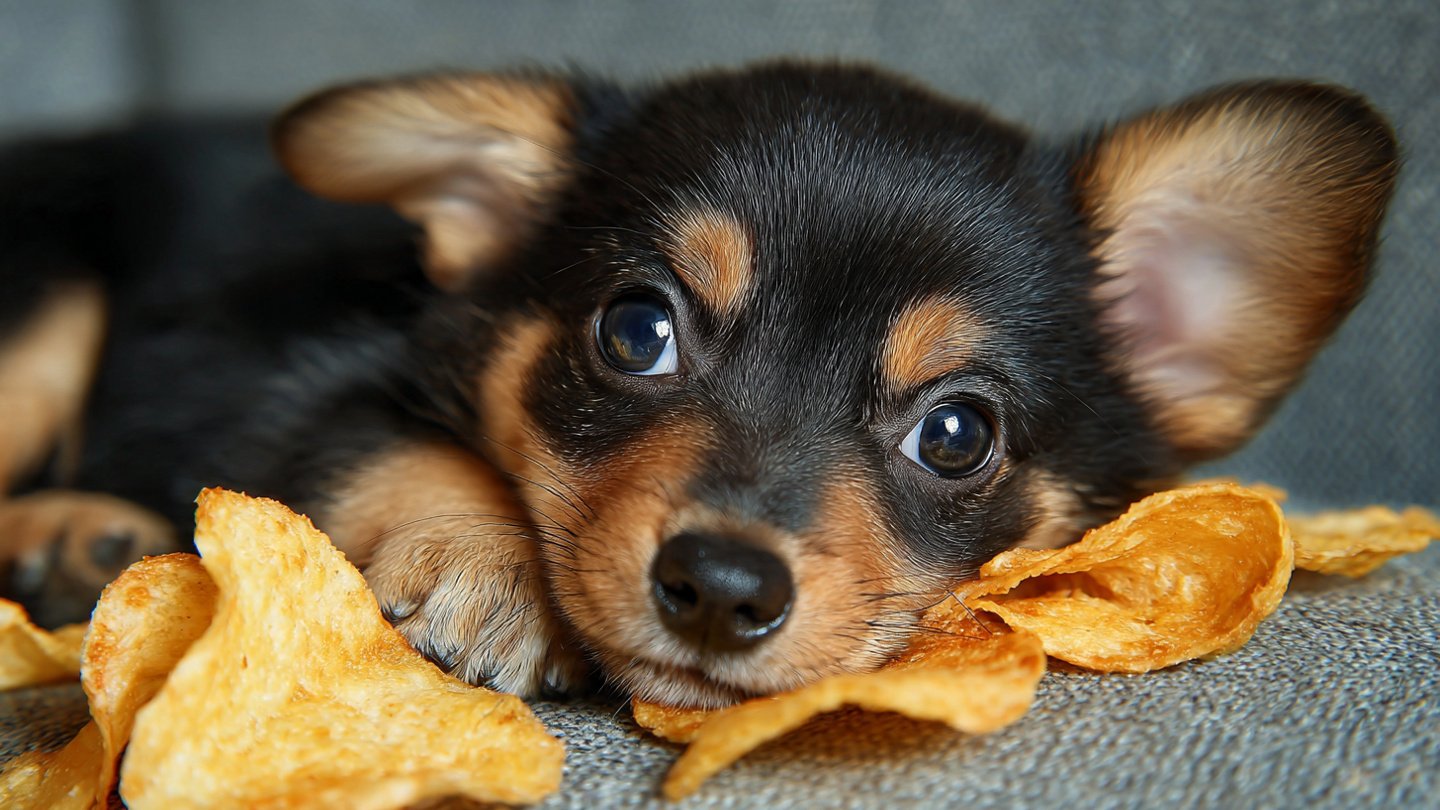
Picture this: it is a quiet Sunday afternoon. You are on the sofa, a bag of Walkers in hand, a good programme on the TV — and your dog is staring at you with the kind of eyes that could melt stone. You pause, crisp halfway to your mouth, and ask the question every UK dog owner has asked at some point: Can dogs eat crisps?
It is not just a snack question. It is a wellness question. It is about understanding what truly nourishes your dog, what keeps them healthy, happy, and living their best life. And when you understand that, you become a better, more confident pet owner — which is good for your own peace of mind too.
Understanding the risks behind feeding dogs unhealthy snacks is important for responsible pet care. Veterinarians often recommend sticking to dog-safe foods and maintaining routines that support your dog’s wellbeing. Along with healthy treats and regular exercise, using safety equipment like a Dog Safety Seat Car UK helps protect your dog during trips and ensures a safer, more comfortable travel experience for both you and your pet.
�� Wellness Note
Your dog’s diet is the foundation of their overall wellness. What you feed them — even as a casual treat — shapes their energy levels, gut health, coat quality, and emotional wellbeing. Every snack choice matters more than you might think.
Why Can Dogs Eat Crisps? Is a Question Worth Taking Seriously
Most people assume the worst that can happen is a slightly upset tummy. But the reality is more concerning. Crisps contain a combination of ingredients that interact poorly with a dog’s biology — and the effects can range from mild discomfort to a genuine veterinary emergency.
The Salt Problem and Sodium Toxicity in Dogs
Salt is the primary danger in almost every crisp variety. A standard 25g bag of crisps in the UK can contain between 0.3g and 0.6g of sodium. That may sound small, but consider this: the PDSA (People’s Dispensary for Sick Animals) states that the safe daily sodium limit for a 10kg dog is approximately 100mg. A few handfuls of crisps can easily exceed that threshold.
When a dog consumes too much salt, the body tries to compensate by drawing water out of cells — a process that can lead to sodium toxicity in dogs, also known as hypernatraemia. Symptoms can appear within hours and include excessive thirst, vomiting, tremors, and in severe cases, neurological damage or seizures.
From a dog digestive health perspective, even low levels of consistent salt exposure can disrupt the gut microbiome, cause inflammation in the digestive lining, and lead to chronic dehydration — none of which support your dog’s long-term wellness.
Toxic Flavourings and Onion Powder Toxicity in Dogs
Plain salted crisps carry risks. Flavoured crisps carry those same risks plus additional toxicity. Cheese and onion, prawn cocktail, and pickled onion flavours regularly contain onion powder and garlic powder — both of which are directly toxic to dogs.
The British Veterinary Association (BVA) confirms that Allium family plants — onions, garlic, leeks, and chives — destroy red blood cells in dogs, leading to haemolytic anaemia. Powdered forms, which are concentrated, absorb more rapidly into the bloodstream.
The concern with onion powder toxicity in dogs is that symptoms are not always immediate. Lethargy, pale gums, and breathlessness may appear 24 to 72 hours after consumption, by which time the damage is already underway. This delayed reaction is what makes flavoured crisps particularly deceptive.
Other toxic ingredients in crisps include artificial flavourings, MSG, high vinegar concentrations, and certain preservatives. None of these belongs in a dog’s diet, and collectively, they make crisps one of the more harmful accidental snacks a dog can consume.
The Bigger Picture: Your Dog’s Wellness Depends on Daily Choices
Here is where we zoom out from the crisp question and look at something deeper. True natural dog wellness is not just about avoiding poison. It is about building a lifestyle for your dog that supports their physical health, mental stimulation, emotional security, and longevity.
Every time you choose a nutritious treat over a processed one, you are investing in your dog’s well-being. Every time you swap crisps for a crunchy carrot or a piece of apple, you are making a micro-decision that compounds over time into a healthier, happier dog.
There is also a human wellness element here. When your dog is thriving — energetic, well-fed, emotionally settled — your own stress levels as an owner drop. The bond between a healthy dog and their owner is one of the most studied human-animal wellness connections in modern psychology. You feel better when they feel better. That connection is real.
How Diet Directly Affects Your Dog’s Emotional Well-being
Research in veterinary nutrition increasingly links diet quality to mood, behaviour, and cognitive function in dogs. A diet high in salt, fat, and empty carbohydrates — the nutritional profile of most crisps — is associated with sluggishness, increased anxiety, and poor coat condition.
Conversely, a diet rich in lean protein, fibre, antioxidants, and healthy fats supports the emotional well-being of dogs by regulating blood sugar, supporting serotonin production in the gut, and maintaining the energy levels needed for play, socialisation, and curiosity-driven behaviour.
Your dog cannot tell you they feel sluggish after salty junk food. But you can observe it — in their coat, their energy levels, their enthusiasm for walks, and their overall demeanour. Wellness is visible when you know what to look for.
�� Wellness Insight
A dog’s gut health is directly linked to their immune system and mental state. Feeding whole, natural foods supports a healthy microbiome, reduces inflammation, and promotes a calm, content temperament.
What Actually Happens When a Dog Eats Crisps
So can dogs eat crisps and just be fine? The outcome varies. Here is a practical breakdown based on quantity, size of dog, and crisp type.
One or Two Plain Crisps — Large Dog
Unlikely to cause serious harm. You may see nothing at all, or perhaps slightly increased thirst. Not recommended, but not a crisis. However, this can set a precedent for begging behaviour which leads to repeated exposure over time, and that is where the real harm compounds.
A Large Quantity of Flavoured Crisps — Any Size Dog
This is where things become genuinely serious. Watch for these symptoms:
- Excessive thirst and repeated urination
- Vomiting or loose stools within one to two hours
- Swollen or bloated abdomen
- Lethargy, unusual tiredness, or difficulty standing
- Pale gums — a sign of red blood cell damage
- Muscle tremors or seizures in severe cases
These are textbook signs of salt poisoning in dogs or onion toxicity. Do not wait for symptoms to worsen. Call your vet immediately.
Small Dogs Are Especially Vulnerable
Body weight matters enormously with toxic exposure. A Chihuahua, Dachshund, or Yorkshire Terrier consuming even a small bag of crisps faces a far more serious dose-relative risk than a Labrador. Small dogs process toxins more slowly and have less physiological buffer. Always err on the side of caution with smaller breeds.
Popular UK Crisp Brands and What They Mean for Your Dog
Walkers Crisps and Dogs
Walkers are the UK’s best-selling crisps, so the overlap between dog owners and Walkers fans is enormous. Ready salted Walkers contain roughly 0.4g of salt per 25g serving — problematic for dogs of any size in quantity. More concerning: Walkers cheese and onion, one of the nation’s favourite flavours, contains onion extract directly. Walkers crisps and dogs are simply not a safe combination, regardless of flavour.
Pringles
Pringles contain higher sodium concentrations than many standard crisps. Their stackable, open-container format also makes it easy for a curious dog to sneak several at once. Sour cream and onion, loaded baked potato, and Texas BBQ flavours all contain garlic or onion derivatives. Even the original salted variety has sodium levels that make it unsuitable as a dog treat.
Tyrells, Sensations and Artisan Varieties
Premium brands often market themselves as natural or authentic. Ironically, this can make them more dangerous for dogs. Toxic ingredients in crisps, like real onion powder and garlic granules, are more concentrated and more bioavailable than artificial flavour substitutes. The artisan label does not make them safer — it often makes them worse for your dog.
Wellness Approved Snacks That Are Safe for Dogs
Now for the genuinely good news. There are plenty of snacks your dog will absolutely love that support their health rather than undermining it. These are dog-friendly treats that align with a holistic, natural approach to pet wellness.
Natural Whole Foods Your Dog Can Enjoy
- Carrot sticks — Crunchy, low-calorie, brilliant for dental health, and rich in beta-carotene.
- Apple slices (seeds removed) — A great source of vitamin C and fibre. Dogs genuinely enjoy the sweetness.
- Cucumber slices — Hydrating, virtually calorie-free, and satisfying for dogs who love a crisp texture.
- Blueberries — Powerful antioxidants that support brain health and immune function in dogs.
- Watermelon chunks (seedless) — Ideal in summer for hydration and a natural treat your dog will go wild for.
- Plain cooked sweet potato — Rich in fibre and vitamins. Excellent for digestive health and gut microbiome support.
- Cooked plain chicken or turkey — High-value protein treat. No seasoning, no sauces, no bones. Pure nourishment.
UK Vet Approved Commercial Treats
- Lily’s Kitchen Dog Treats — Certified natural, grain-free options widely recommended by UK vets.
- Naturo Natural Dog Treats — Grain-free, hypoallergenic, UK-made wellness treats.
- Burns Penlan Farm Treats — Low-fat, high-quality ingredients developed with veterinary guidance.
These qualify as genuinely safe snacks for dogs with real nutritional value. They satisfy the urge to treat your dog without the hidden risks. Your dog will wag just as enthusiastically for a carrot stick — probably more, actually, because they sense your confidence when you offer it without hesitation.
�� Wellness Tip
Treats should make up no more than 10% of your dog’s daily calorie intake. Use natural, whole foods as your first choice. They nourish, satisfy, and support your dog’s long-term vitality without any of the risks.
Five Practical Steps to Protect Your Dog From Harmful Snacks
- Make crisp packets inaccessible. Store snacks in high cupboards or sealed containers. Dogs are resourceful, and a low shelf is not a barrier.
- Train a “leave it” command. This is one of the most valuable wellness behaviours you can teach your dog. It gives you control in any accidental exposure situation.
- Brief every guest and family member. Children and well-meaning visitors are the most common cause of accidental sharing of crisps. A brief conversation can prevent a vet visit.
- Dispose of empty crisp packets safely. Cut bags open before binning them. Dozens of UK dogs die each year from suffocation inside empty crisp bags. The RSPCA actively campaigns on this issue.
- Build a healthy treat routine. When your dog knows they get rewarding, natural treats at set times, food-begging behaviour reduces naturally. Routine is a cornerstone of dog wellness.
What UK Vets Say About Dogs and Crisps
The veterinary community in the UK is unified on this. The British Veterinary Association (BVA) and the PDSA both recommend against feeding dogs any processed human snack foods, including crisps. The risks are well-documented, and the benefits are nonexistent.
Vets across the UK report seeing an increase in diet-related presentations during festive seasons — Christmas, New Year, and summer barbecues — when households snack more freely, and dogs are more likely to be given table scraps or dropped food. During these periods, calls to the Animal Poison Line increase sharply.
The Dogs Trust notes that crisps are bad for dogs is one of the most frequently searched pet health questions in the UK, which tells us how common accidental exposure is, and how many owners are searching for reassurance after the fact. Prevention is always a better strategy than a cure.
The consensus is clear and consistent: there is no scenario in which crisps represent a good dietary choice for your dog. Not occasionally, not as a rare treat, and especially not as a habit.
Best wet dog food
Many dog owners often wonder whether dogs can eat crisps, especially when their pets beg during snack time. However, crisps are not a healthy option for dogs because they contain high levels of salt and artificial flavours. Instead of sharing human snacks, it is always better to choose the best wet dog food that provides balanced nutrition and supports your dog’s digestion, energy levels, and overall health.
FAQ Section
1. Can dogs eat crisps safely?
No, dogs should not eat crisps. Crisps contain high levels of salt, unhealthy fats, and sometimes toxic ingredients like onion or garlic powder that can harm a dog’s health.
2. What happens if a dog eats crisps?
If a dog eats a small amount of plain crisps, it may only experience increased thirst. However, eating a large quantity can cause vomiting, diarrhoea, dehydration, or salt poisoning.
3. Are salted crisps bad for dogs?
Yes, salted crisps are bad for dogs because they contain high sodium levels. Too much salt can lead to sodium toxicity, excessive thirst, and serious health problems.
4. Can dogs eat flavoured crisps like cheese and onion?
No, flavoured crisps are more dangerous because they often contain onion or garlic powder, which are toxic to dogs and can damage their red blood cells.
5. What snacks are safe for dogs instead of crisps?
Healthy alternatives include carrot sticks, apple slices (without seeds), cucumber, blueberries, plain cooked chicken, and sweet potato.
6. How much salt is safe for dogs?
Dogs need very small amounts of sodium in their diet. Too much salt from snacks like crisps can quickly exceed the safe daily limit and cause health issues.
Conclusion on Can Dogs Eat Crisps and What to Do Instead
So, can dogs eat crisps? No — and now you know exactly why. The combination of high sodium, toxic ingredients such as onion and garlic powder, empty calories, and zero nutritional benefit makes crisps a snack to keep well away from your dog.
But this is not just about one snack. It is about building a genuine wellness culture around your dog. Every carrot stick instead of a crisp. Every apple slice instead of a biscuit. Every walk after a meal instead of a nap on the sofa. These small, consistent choices compound into a longer, healthier, happier life for your dog — and a less stressed, more confident life for you as their owner.
Your dog trusts you completely to make the right choices for them. They cannot read ingredient labels. They cannot weigh up the risks. All they can do is look at you with those eyes and trust that whatever you offer them is good.
Honour that trust. Give them the carrot. They deserve it — and so do you.
�� Final Wellness Reminder
Can dogs eat crisps? No. But they can thrive on love, structure, natural nutrition, and the right treats. That is what real dog wellness looks like — and you are already on the right path by asking the right questions.