The Best Puppy Food UK (2026 Guide): A Complete Nutrition Handbook for New Owners
The Best Puppy Food UK: Bringing a new puppy into your home is arguably one of the most joyous experiences in life. There is the excitement of choosing a name, the adorable first cuddles, and the fun of buying squeaky toys. However, once the initial excitement settles, reality hits. You are suddenly responsible for a living, breathing creature that seems to have limitless energy and a penchant for chewing your favourite shoes.
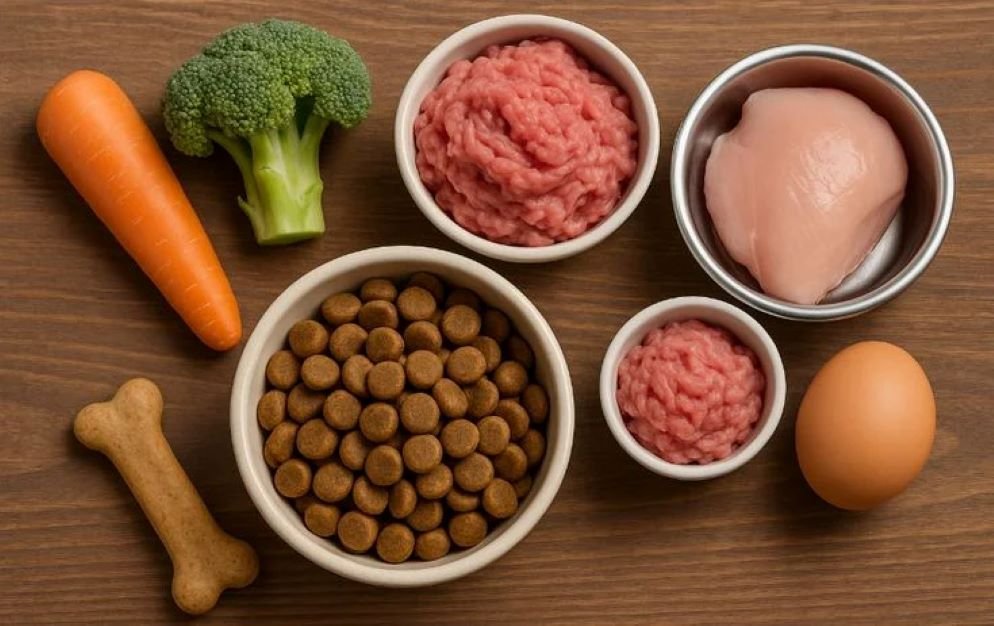
Walking into a pet store in 2026 feels less like shopping and more like taking a chemistry exam. The shelves are packed with hundreds of bags, cans, and trays. Some claim to be “ancestral diets,” others boast “scientific formulas,” and a few even promise to save the planet with insect protein. With prices rising and marketing jargon becoming more confusing, finding the best puppy food UK brands have to offer can feel like an impossible task.
You want your puppy to grow up strong, healthy, and happy. You want them to have a shiny coat, bright eyes, and perfect digestion. But you also have a budget to stick to.
In this comprehensive guide, we have cut through the noise. We have analysed ingredient labels, studied nutritional requirements for different breeds, and looked at the latest feeding trends of 2026 to help you make the right choice. Whether you have a tiny Terrier or a giant Great Dane, this guide covers everything you need to know.
Understanding Puppy Nutrition: It’s Not Just “Small Dog” Food
Before we dive into specific brands, it is vital to understand why puppy food exists. You cannot simply feed an adult dog’s diet to a growing pup. Puppies are growing machines. In their first year, they do the equivalent of a human growing from a baby to a teenager.
To support this rapid development, the best puppy food UK manufacturers formulate their recipes with a very specific balance of nutrients:
-
High-Quality Protein: Puppies need more protein than adults to build new muscle tissue and organs. However, the source of this protein matters. We look for high-quality puppy food that prioritises real meat over vague “derivatives.”
-
Fats and Omega Oils: Fat is fuel. Puppies burn a lot of energy (the “zoomies” are proof of that!). Essential fatty acids, particularly DHA (Docosahexaenoic acid), are crucial for brain development and vision.
-
Calcium and Phosphorus Balance: This is critical. If these minerals are out of balance, it can lead to skeletal deformities. This is especially important when choosing large-breed puppy food, as bigger dogs need controlled growth to prevent joint issues like hip dysplasia later in life.
The 2026 Buying Guide: How to Read the Label
Marketing on the front of the bag is often misleading. The truth always lies on the back. When you are standing in the supermarket or scrolling online, use this checklist to distinguish between good and bad food.
1. The “First Ingredient” Test
Ingredients are listed by weight. The very first item on the list should always be a named meat source, such as “Fresh Chicken,” “Deboned Turkey,” or “Salmon.”
If you see “Cereals,” “Vegetable Protein Extracts,” or “Meat and Animal Derivatives” at the top of the list, put the bag back. These are cheaper fillers used to bulk up the food but offer less nutritional value.
2. Meat Meal vs. Fresh Meat
In 2026, we are seeing a shift towards fresh ingredients.
-
Fresh Meat: Contains high moisture and natural nutrients. It is highly palatable.
-
Meat Meal: This is meat that has been dried and ground into a flour. While it sounds less appealing, it is actually a concentrated source of protein. Ideally, the best puppy food UK options will have a mix of both: fresh meat for taste and meat meal for a protein punch.
3. Artificial Preservatives
Avoid foods with artificial colours (dogs don’t care what colour their food is!) and preservatives like BHA or BHT. Look for natural preservatives, usually listed as “Tocopherols” (Vitamin E) or Rosemary Extract.
Exploring the Different Types of Puppy Food
Gone are the days when your only choice was a tin of meat or a bag of dry biscuits. Today, the UK market offers a variety of feeding styles.
Dry Dog Food (Kibble)
This remains the most popular choice for UK owners. It is convenient, easy to store, and generally more affordable. Good quality kibble is nutritionally complete. The crunching action can also help remove mild plaque from your puppy’s teeth. However, low-quality kibble can be packed with carbohydrate fillers.
Wet Puppy Food
Sold in tins, trays, or pouches, wet food is excellent for hydration because it contains around 75% water. It smells stronger than dry food, making it irresistible to picky eaters. The downside is that it is more expensive to feed exclusively, especially for larger dogs. Many owners use it as a “topper” on dry food.
Fresh and Raw Puppy Food
This category has exploded in popularity. Brands now deliver frozen, human-grade meals to your door. Raw puppy food (often called BARF) aims to mimic a wild diet. While nutritional results can be amazing (shiny coats, small stools), raw feeding requires strict hygiene to avoid bacteria like Salmonella, which can be risky for young puppies with developing immune systems.
Insect-Based Dog Food
This is the breakout trend of 2026. Sustainable brands are using Black Soldier Fly larvae as the primary protein. It sounds strange, but insect protein is incredibly digestible and uses a fraction of the water and land required for beef farming. It is also naturally hypoallergenic.
Detailed Analysis: Top Contenders for 2026
We have categorised our top recommendations based on specific needs, budgets, and lifestyles.
1. The Best for Overall Health & Quality (Fresh/Cooked)
If budget is not your primary concern and you want the absolute highest standard of nutrition, fresh-cooked food is the winner. Brands like Butternut Box or Different Dog are leading this space.
These companies don’t use the term “dog food” lightly. Their recipes look like a human stew. You can see the lentils, the carrots, and the chunks of meat. Because it is gently cooked rather than extruded at high temperatures (like kibble), the nutrients are preserved naturally. For a puppy, this means better digestion and less gas.
2. The Best Premium Dry Food
For those who prefer the convenience of kibble but refuse to compromise on ingredients, Lily’s Kitchen remains a market leader.
Their puppy recipe is unique because it uses freshly prepared meat and organ meat, with zero dried meat meal. They include salmon oil for those essential Omega-3s we mentioned earlier. It is also grain-free, making it a safe starting point for most dogs. While it is pricey for dry food, you often feed less because it is nutrient-dense, meaning a bag lasts longer than you might expect.
3. The Best Value for Money
Raising a puppy is expensive. Between vaccinations, insurance, and microchipping, your wallet takes a hit. If you need a more affordable option that is still safe and nutritious, Harringtons Complete is the best puppy food UK supermarkets stock.
Manufactured in Yorkshire, Harringtons provides a balance between quality and cost. They avoid artificial colours and flavours. While the ingredient list isn’t as “premium” as Lily’s Kitchen (it includes rice and maize), it is a solid, complete diet that keeps thousands of UK dogs healthy. It proves you don’t need to spend a fortune to feed your dog well.
4. Best for Sensitive Stomachs
Is your puppy scratching more than usual? Do they have loose stools or inconsistent digestion? These can be signs of a food intolerance. Common culprits include beef, dairy, wheat, or soya.
In these cases, a sensitive stomach-specific diet is required. James Wellbeloved is the heritage brand here. They use a “single source protein” approach—usually Turkey or Lamb. By simplifying the ingredients and removing common allergens, they reduce the workload on your puppy’s gut. This is often a grain-free puppy food or one that uses simple rice/oats, which are gentle on digestion.
5. The Sustainable Choice (Insect Protein)
For the eco-conscious owner in 2026, Tuggs or Yora offers an incredible alternative. Insect-based dog food is not just a gimmick; it is a nutritional powerhouse. Insect protein is easier for dogs to digest than chicken meal. Because insects are not a traditional protein source, the body doesn’t recognise them as allergens, making this food naturally hypoallergenic. If your puppy has skin issues and you want to lower your carbon pawprint, this is the future.
Feeding Large vs. Small Breeds
If you have a Yorkshire Terrier or a Chihuahua, they have tiny stomachs but high metabolisms. They need energy-dense food with small kibble pieces they can actually chew.
Conversely, if you own a Labrador, German Shepherd, or Golden Retriever, you must look for a specific large breed puppy food. Standard puppy food is often too high in calcium and calories for them. If a large breed grows too quickly, its bones grow faster than its muscles can support, leading to painful conditions like panosteitis or hip dysplasia. Large breed formulas have lower calorie density and strictly controlled calcium levels to ensure a slow, steady growth curve.
Grains vs. Grain-Free: The Great Debate
One of the most common questions new owners ask is whether they should buy grain-free puppy food. The marketing hype suggests that wolves don’t eat wheat, so dogs shouldn’t either.
However, science tells a more balanced story. Domestic dogs have evolved over thousands of years to digest carbohydrates. Whole grains like brown rice, oats, and barley are excellent sources of energy and fibre.
That said, cheap “fillers” like white wheat or cereal husks can cause bloating and itching. The rule of thumb is: if your dog is healthy, high-quality grains are fine. If your dog shows signs of allergies (itchy paws, ear infections), switching to a grain-free or hypoallergenic dog food is an excellent troubleshooting step.
How to Switch Your Puppy’s Food
Once you have selected the best puppy food UK for your furry friend, do not switch them overnight. Puppies have sensitive digestive systems. A sudden change in diet will almost certainly lead to an upset stomach and diarrhoea—something no owner wants to clean up!
Follow this 7-day transition rule:
-
Days 1-2: 75% old food, 25% new food.
-
Days 3-4: 50% old food, 50% new food.
-
Days 5-6: 25% old food, 75% new food.
-
Day 7: 100% new food.
During this transition, keep an eye on their stools. If they become very loose, slow down the transition and stay at the 50/50 stage for a few more days.
Frequently Asked Questions (FAQ)
Can I feed my puppy “All Life Stages” food?
While some brands market “All Life Stages” food, it is generally better to stick to a dedicated puppy recipe. Puppy-specific formulas are guaranteed to have higher levels of protein and fat required for growth. Using a generic food might leave your puppy lacking in essential nutrients during their most critical growth window.
Is raw feeding safe for puppies?
Raw puppy food advocates swear by the health benefits, such as cleaner teeth and smaller stools. However, raw meat carries pathogens. For a puppy with an undeveloped immune system, a bacterial infection can be serious. If you choose raw, use a reputable DEFRA-approved supplier rather than making it yourself at home, or consider “Fresh Cooked” as a safer middle ground.
How often should I feed my puppy?
Puppies need to eat little and often.
-
8 weeks to 4 months: 4 meals per day.
-
4 to 6 months: 3 meals per day.
-
6 months onwards: 2 meals per day.
Consistency is key. Try to feed them at the same time every day to help with toilet training.
Why is my puppy not eating their dry food?
Teething pain is a common cause. At around 4 months, puppies lose their baby teeth. Hard kibble might hurt their gums. Try soaking the dry dog food in a little warm water to soften it, or mix in a teaspoon of wet puppy food to make it more appetising.
Many owners love sharing their morning routine with their pets, but you must be careful with breakfast cereals. For example, a common question we get is: Can dogs eat Weetabix safely? While this popular British staple is low in sugar, serving it with cow’s milk can cause serious tummy troubles. If you want to share a crunch with your pooch, make sure you read our full guide on portion sizes and why water is always the safer choice over milk.
Final Thoughts and Conclusion
Selecting the right diet is the very first step in a long, happy life for your dog. While the sheer volume of choices can be overwhelming, the fundamental rules remain simple. Look for clear, named meat ingredients. Avoid vague fillers and artificial nasties. Consider your dog’s size and any specific sensitivities they might have.
There is no single brand that is perfect for every dog. A diet that works wonders for your neighbour’s Spaniel might not suit your Bulldog. The best puppy food UK guide we have provided here is a roadmap, but your puppy is the ultimate judge. Watch their energy levels, check that their coat is glossy, and ensure their digestion is firm and regular. If those three things are in check, you have found the winner.